10kW Solar System: How Much Space Do You Need and What's the Best Panel Layout?
Thinking about making the leap to solar power? A 10kW solar system is a popular choice for Australian households with high energy needs or small businesses looking to significantly reduce their electricity bills. It's a robust system, but before you dive in, it's essential to understand the space requirements and how panel layout impacts performance. Consider this your guide to maximising your solar investment. For a more in-depth overview, check out our Complete Guide.
Understanding a 10kW Solar System
A 10kW solar system refers to the capacity of the solar panels to generate electricity under ideal conditions – it doesn’t necessarily reflect the inverter's output. The system comprises several key components:
- Solar Panels: These capture sunlight and convert it into DC (direct current) electricity.
- Inverter: This converts the DC electricity from the panels into AC (alternating current) electricity that your home appliances can use or send back to the grid.
- Mounting System: The racking and hardware used to secure the panels to your roof.
Space Requirements: How Much Roof Do You Need?
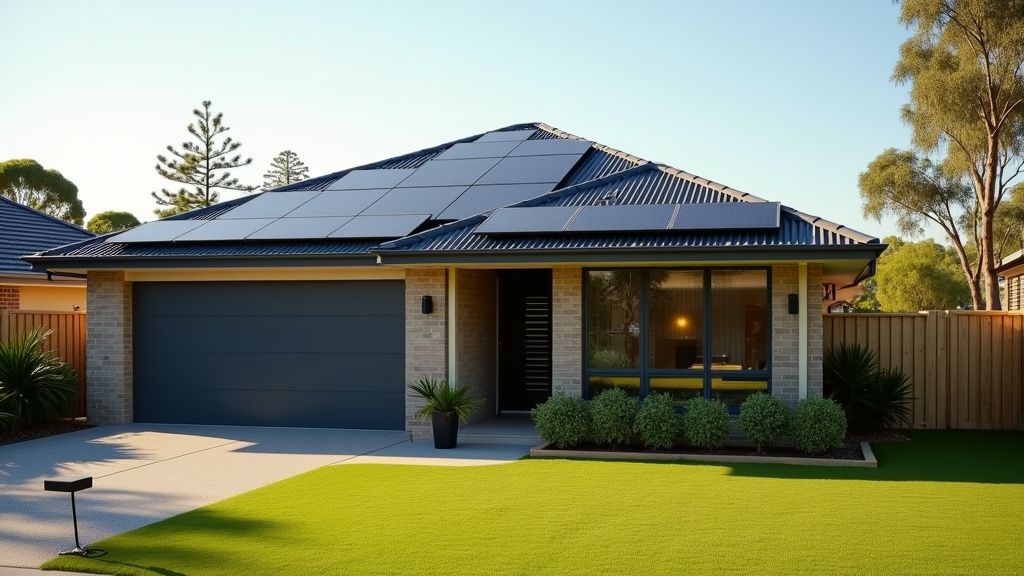
One of the first questions most people ask is: how much roof space do I need for a 10kW system? Generally, you'll need approximately 50 to 65 square metres of roof area.
The exact amount depends on the wattage of the individual solar panels. Higher wattage panels (e.g., 400W) require fewer panels overall than lower wattage panels (e.g., 330W) to reach the 10kW capacity. Therefore, using more powerful panels can save you some roof space. For example:
- 400W panels: You'll likely need around 25 panels.
- 330W panels: You'll likely need around 30 panels.
Optimal Panel Layout: Location, Location, Location
In Australia, the ideal orientation for solar panels is north-facing. This maximises the amount of sunlight the panels capture throughout the day. The angle at which your panels are tilted can also be adjusted to optimise sunlight capture depending on the time of year.
However, perfect north-facing orientation isn't always possible. Don't despair! East- or west-facing panels can still generate significant power. A professional installer can assess your roof and recommend the best configuration for your specific situation.
Things to Consider:

- Shading: This is a critical factor. Even partial shading from trees, buildings, or other obstructions can significantly reduce your system's output. It's essential to minimise shading as much as possible.
- Panel Quality: Higher quality panels tend to be more efficient, meaning they produce more electricity from the same amount of sunlight.
- Temperature Coefficient: Solar panels can lose efficiency in high temperatures. If you live in a hot climate, consider panels with a better temperature coefficient for more consistent performance.
Understanding Inverter Sizing and Oversizing
You might wonder why the capacity of the panels (10kW) sometimes exceeds the inverter's rated output (e.g., 8kW). This is a common practice called "oversizing".
Oversizing involves installing more Solar Panel capacity than the inverter's rated capacity. This is allowed in Australia (up to 133% of the inverter capacity) and helps to maximise energy production, particularly during peak sunlight hours. Even when the panels are producing more power than the inverter can handle at a given moment, the overall daily energy yield is higher.
However, it's crucial to ensure your inverter can handle the increased input and be aware of any export limits imposed by your energy provider. Some providers limit how much excess power you can feed back into the grid.
Cost and Savings: What to Expect
The cost of a 10kW solar system in Australia typically ranges from $9,000 to $14,000 after government rebates are applied. This is a significant investment, but it can lead to substantial savings on your electricity bills.
Factors influencing the cost:
- Panel quality and brand
- Inverter type (single-phase or three-phase)
- Installation complexity
- Location
Government Incentives:
The Australian Government's Small-Scale Renewable Energy Scheme (SRES) provides Small-Scale Technology Certificates (STCs), which reduce the upfront cost of your system. The number of STCs you receive depends on the size of your system and your location. Installers typically apply this as an upfront discount.
Feed-in Tariffs:
You'll also receive feed-in tariffs for any excess electricity you send back to the grid. Rates vary by state and electricity retailer, generally ranging from 5 to 12 cents per kWh.
Potential Savings:
A 10kW solar system can generate significant savings, potentially up to $3,000 per year, depending on your energy consumption, electricity rates, and feed-in tariffs. The typical payback period is between 3 to 6 years.
Getting Started
Investing in a 10kW solar system can be a great way to reduce your electricity bills and contribute to a more sustainable future. Do your research, get multiple quotes from reputable installers, and understand the space requirements and panel layout considerations before making a decision. By taking the time to plan carefully, you can ensure that your solar system is a worthwhile investment for years to come.