SolarInsights: 10kW Solar System Pricing Guide: What to Expect in 2024/2025
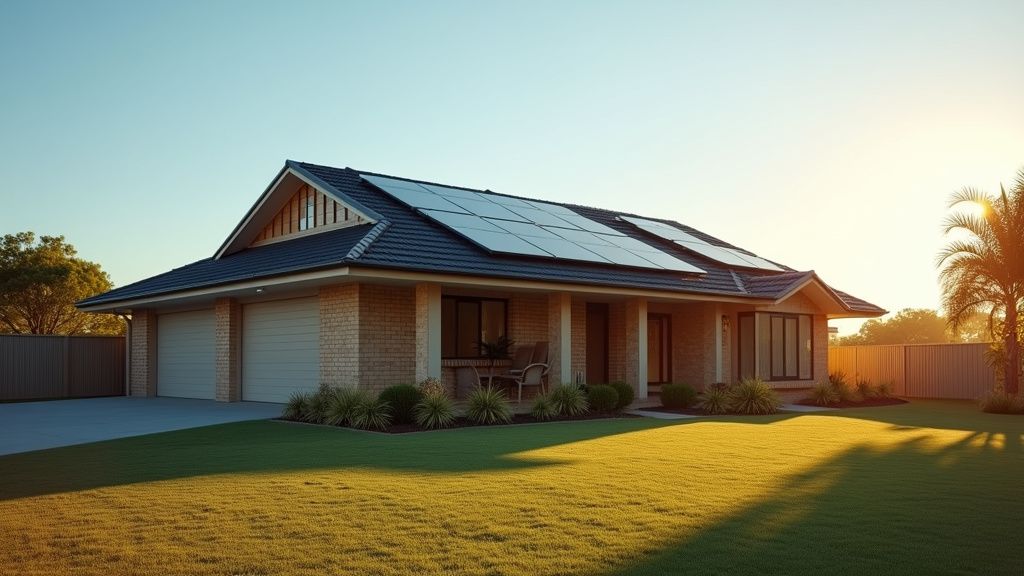
Thinking about a serious solar upgrade? A 10kW solar system is the big daddy of residential solar, perfect for larger households with hefty electricity bills, electric vehicles, or those planning for future energy needs. If you're considering investing in a 10kW solar system, understanding the costs involved is crucial. This guide will break down what you can expect to pay in 2024 and 2025. For a more in-depth look, check out our Complete Guide.
Is a 10kW System Right for You?
Before diving into pricing, let's confirm this system size suits your situation. A 10kW system is substantial. Generally, it is ideal if:
- You have a large roof area (around 50 square metres).
- Your household consumes a significant amount of electricity.
- You plan to increase your electricity usage (e.g., adding an EV or pool).
- You want to significantly reduce your reliance on the grid.
A 10kW system generates a considerable amount of power, potentially around 40kWh per day on average, or 14,600 kWh per year. That's enough to power multiple average Australian homes!
Breaking Down the Costs: 2024/2025 Estimates
So, how much will a 10kW solar system set you back? Several factors influence the final price, but here's a general overview:
Total System Cost (Before Rebates): Expect to pay between $11,500 and $16,500 for a fully installed 10kW solar system in 2024/2025.
Factors Affecting Price:
- Panel Quality and Brand: Premium brands with higher efficiency ratings will cost more.
- Inverter Type and Brand: String Inverters are generally cheaper than hybrid or microinverters. High-quality inverters improve system efficiency and lifespan.
- Installation Complexity: Roof type, accessibility, and the distance between the panels and the inverter can impact labour costs.
- Installer Reputation and Experience: Experienced and reputable installers may charge more, but offer better warranties and service.
- Location: Installation costs can vary slightly between states and territories.
- Additional Features: Battery readiness or the inclusion of smart Monitoring systems will add to the total.
The Solar Rebate (STCs):

The good news is the upfront cost is significantly reduced by the federal government's Small-scale Technology Certificates (STCs) scheme, commonly known as the solar rebate. This rebate acts as an upfront discount on the system price. The amount you receive depends on your location and the system size. For a 10kW system, you can typically expect around $3,500 worth of STCs.
Out-of-Pocket Costs:
After factoring in the STC rebate, your out-of-pocket expense for a 10kW system in 2024/2025 should range from approximately $8,000 to $13,000.
Maximising Your Investment
Getting the best return on your solar investment involves more than just finding the cheapest system. Here are some tips:
- Compare Quotes: Obtain at least three quotes from different installers. Don't just focus on price; consider the quality of the components and the installer's reputation.
- Understand Your Energy Consumption: Analyse your electricity bills to determine your usage patterns and choose a system size that meets your needs.
- Prioritise Self-Consumption: Use as much of the solar energy you generate as possible, rather than exporting it to the grid. Run appliances during daylight hours to maximise self-consumption.
- Consider Battery Storage: If you have high energy needs at night, consider adding a battery to store excess solar energy. However, factor in the additional cost of battery storage.
- Maintenance: Budget for regular system inspections (around every 5 years) and potential inverter replacement (every 12-15 years).
- Feed-in Tariffs: Understand what your energy retailer is offering as a feed-in tariff.
Payback Period and Long-Term Savings
The payback period for a 10kW solar system will depend on several factors, including your electricity consumption, feed-in tariff rate, and self-consumption rate. However, with a good self-consumption rate, expect a payback period of around 4-5 years. After that, you'll be enjoying significantly reduced (or even eliminated) electricity bills!
Important Considerations:
- Cheap Systems: Be wary of extremely low-priced systems, as they may use low-quality components that could lead to problems down the track.
- Roof Suitability: Ensure your roof is structurally sound and suitable for Solar Panel installation.
- Warranty: Check the warranty on the panels, inverter, and installation.
Investing in a 10kW solar system is a significant decision, but with careful planning and research, it can be a worthwhile investment that saves you money and reduces your carbon footprint. By understanding the costs and maximising your self-consumption, you can enjoy the benefits of clean, affordable solar energy for years to come.