Is a 10kW Solar System Right for Your Australian Home?
Thinking about going solar? A 10kW solar system is a significant investment that can drastically reduce your energy bills and your carbon footprint. But is it the right choice for your household? This blog post dives into the pros and cons to help you decide. For a more in-depth understanding, check out our Complete Guide.
What is a 10kW Solar System?
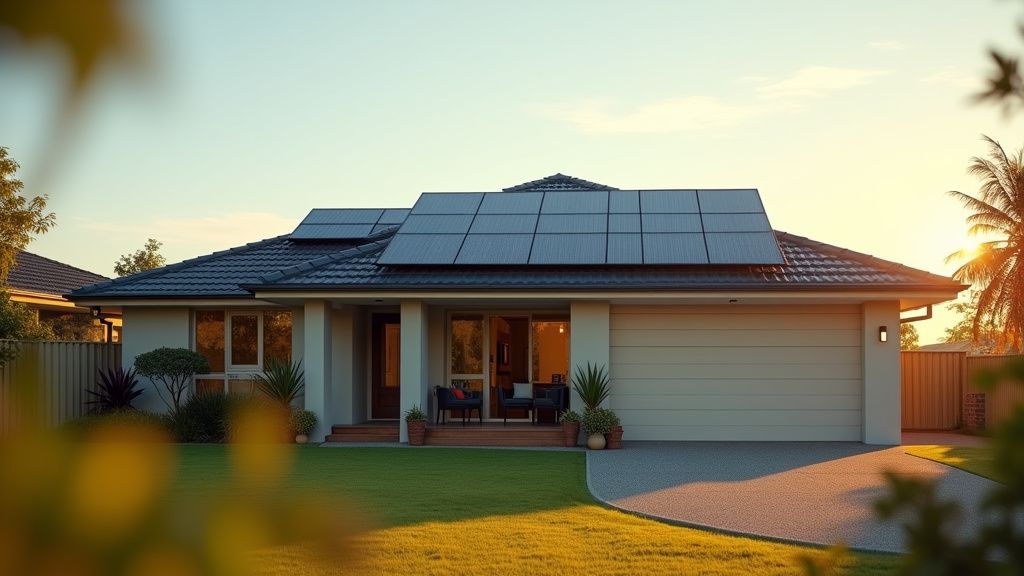
A 10kW solar system is a large-scale residential solar setup, ideal for homes with high energy consumption or even small businesses. Most solar panels designed for homes have a power output of 330W to 400W. This means a 10kW system usually needs between 25 and 30 panels. Given the typical panel size of around 1.7 metres by 1 metre, you'll need approximately 80 square metres of roof space. More efficient panels that use newer technologies can reduce the required roof space but usually come at a higher price.
How Much Does a 10kW Solar System Cost in Australia?
The price of solar systems has dropped dramatically in the past decade. As of July 2025, the average cost of a 10kW solar system in Australia is around $0.91 per watt, or roughly $9,130 after the federal STC rebate. Prices vary slightly between capital cities, so it's worth getting quotes specific to your location. Keep in mind that this figure is an average, and the final cost will depend on the quality of the panels, the inverter, and the complexity of the installation.
How Much Energy Will a 10kW System Generate?
The amount of electricity a 10kW solar system produces varies depending on factors like location, panel orientation, and shading. However, a north-facing system in an Australian capital city can generate a significant amount of power daily. For example, a well-placed system can generate between 35-45 kWh on average per day, depending on location.
Is a 10kW System Right For You?

A 10kW system is a substantial investment, so it's crucial to determine if it aligns with your energy needs. Generally, these systems are best suited for households with high daytime electricity consumption – typically over 40kWh per day.
To help you decide, consider the following:
- Your Energy Consumption: Review your electricity bills to understand your average daily usage. If you're consistently using a lot of power, especially during daylight hours, a 10kW system might be a good fit.
- Roof Space: Do you have enough unshaded roof space facing north, east, or west?
- Budget: Can you afford the upfront investment? Remember to factor in potential savings on your electricity bills and the value of feed-in tariffs.
Self-Consumption is Key
These days, earning money from feed-in tariffs is a secondary benefit. The real savings come from using the solar energy yourself, directly as it is generated. The more solar energy you use yourself, the more money you save. Any excess solar energy will flow back into the grid, earning you credits on your bill, but feed-in tariffs are generally lower than what you pay for electricity from the grid.
Things to Consider
- Grid Connection Limits: Your local network provider might have limits on the size of solar systems you can connect to the grid without extra approvals. Check with your provider before making any decisions.
- Self-Consumption Rate: Aim to use at least 30% of the solar energy your system produces. Higher self-consumption rates lead to better financial returns.
Payback and Return on Investment
The payback period for a 10kW solar system depends on factors like the system cost, your electricity consumption, self-consumption rate, and the feed-in tariff you receive. With good self-consumption habits, you can see a return on investment within a reasonable timeframe.
Conclusion
A 10kW solar system is a significant investment with the potential to deliver substantial savings and reduce your environmental impact. By carefully assessing your energy needs, roof space, and budget, you can determine if it's the right choice for your Australian home. Remember to get multiple quotes from reputable installers to ensure you're getting the best value for your money.