Insights Library
Browse our complete collection of independent solar guides.
Portable Solar Panel Review - Features and Performance
If you camp, tour, or spend time anywhere the grid does not reach, a portable solar panel is how you keep a fridge running and a phone charged.
iTechworld vs Renogy: The Ultimate Australian Solar Blanket Showdown
A 150W blanket in decent sun produces roughly 7 to 8 amps an hour.
Fixing Faulty Solar Blankets - A Step-by-Step Tutorial
A 200W solar blanket that only delivers 80W is usually not broken. All three are fixable with a multimeter and an hour.
Is the Jackery Worth the Hype? A Brutal Review After 3 Months Off-Grid
The Jackery is a decent piece of kit, but it's not a perfect solution for off-grid living, at least not in the configuration I tested.
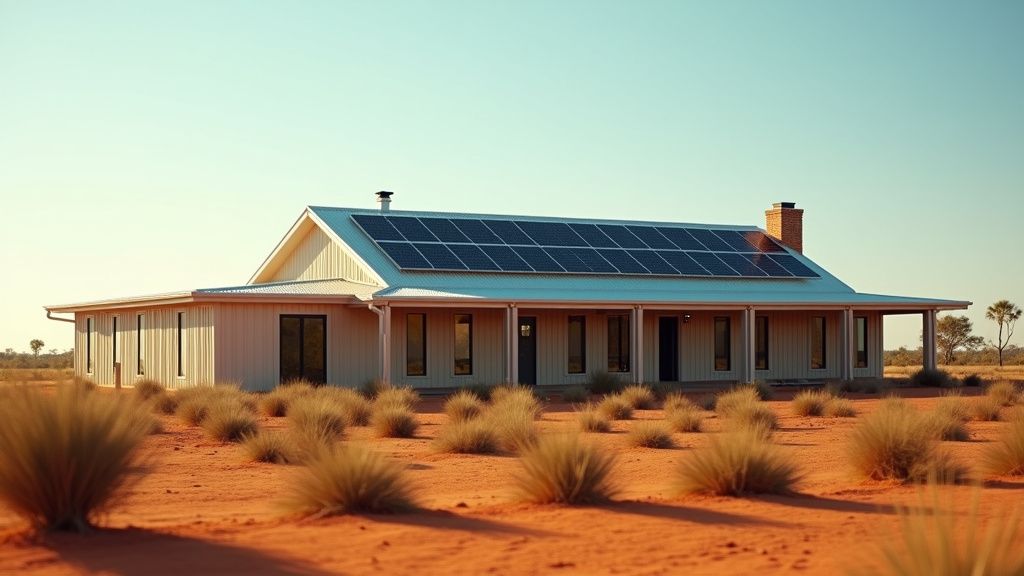
Bluetti vs EcoFlow: Which Power Station Actually Survives the Outback Heat?
Two brands consistently top the list for Aussie adventurers: Bluetti and EcoFlow. Gone are the days of noisy, fume-belching petrol generators.
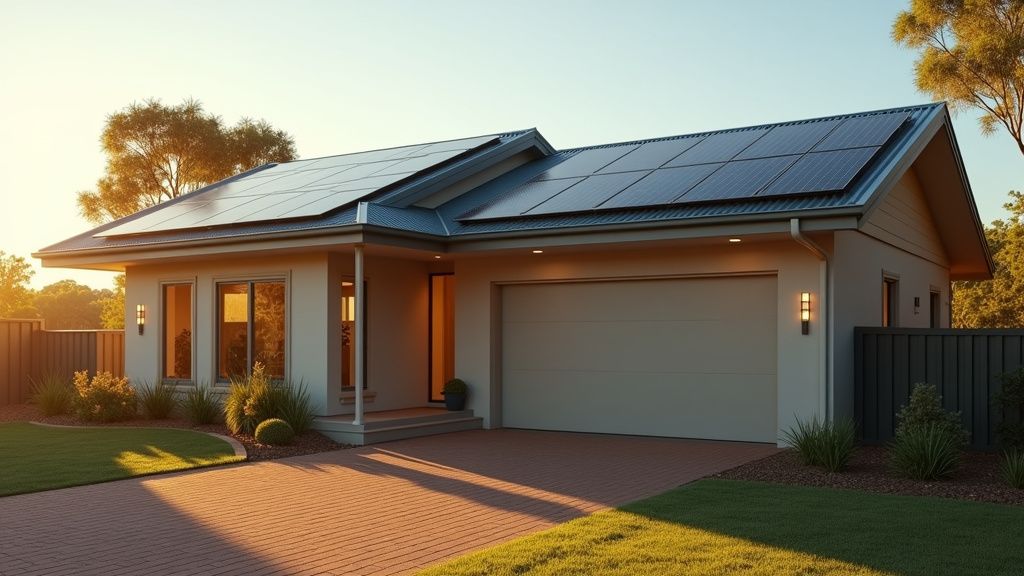
Top Portable Power Stations for Camping Fridges
Picking the right portable power station depends on your specific needs, budget, and lifestyle.
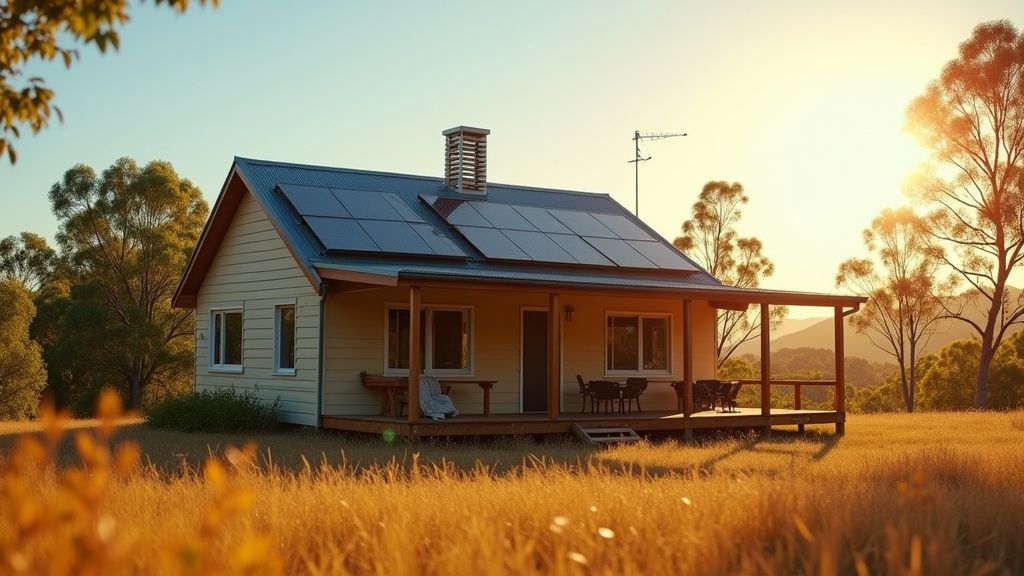
Compact Power: The Best 120W Solar Blankets for Hiking and Small Cars
A quality 120W Solar Blanket is your ticket to extended trips, keeping your devices charged and your small fridge humming without a worry.
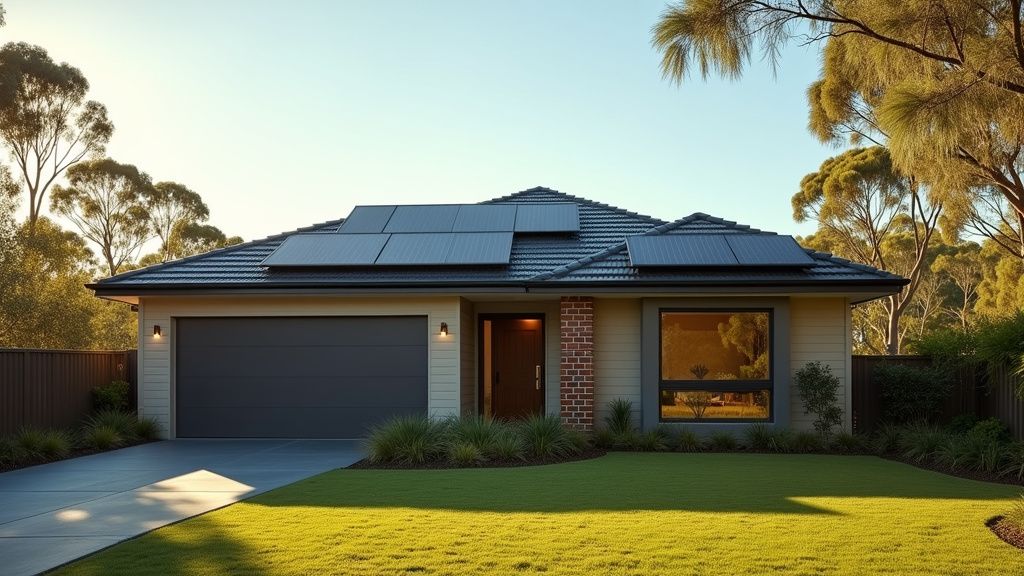
Blackout Proof Your Home: The Best Portable Power Stations for Emergency Backup
A portable power station will run a fridge, a router and some lights through a blackout, which covers most of what a household actually needs.
Testing Solar Panel Output with a Multimeter - A Practical Guide
How to test a solar panel's open-circuit voltage and short-circuit current with a multimeter, and what the readings tell you about a fault.
Solar Blanket vs Fixed Solar Panel: Which Is Right for You?
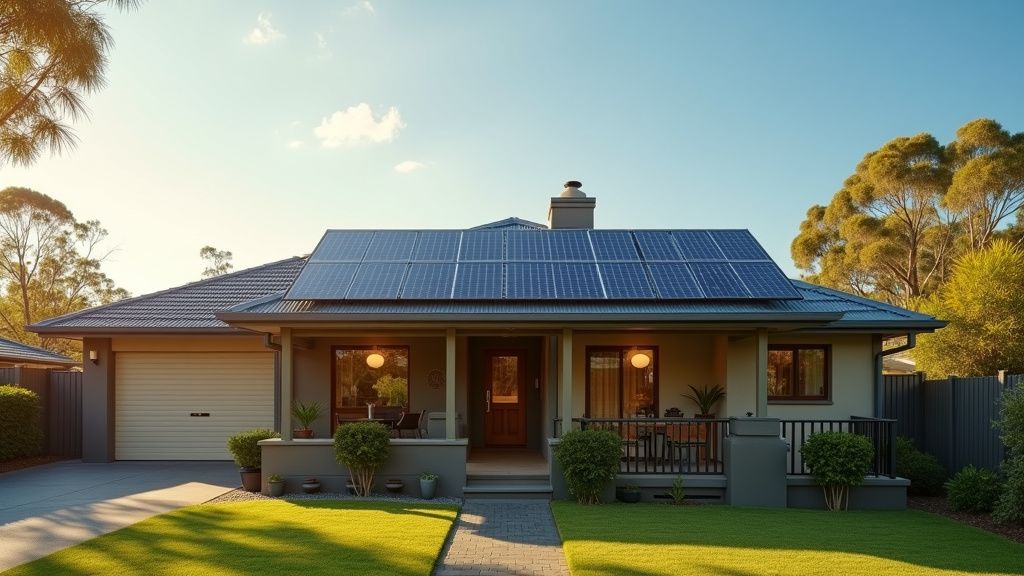
Solar Blanket vs Fixed Solar Panel: Which is Right for You? A practical guide for Australian off-grid adventurers.
200W Portable Solar Blankets - Choosing the Best Option
A 200W Solar Blanket is the size most campers and caravanners end up buying: enough to hold a fridge and charge a battery, small enough to actually pack.
Is an 8kW Solar System Right for Your Australian Home?
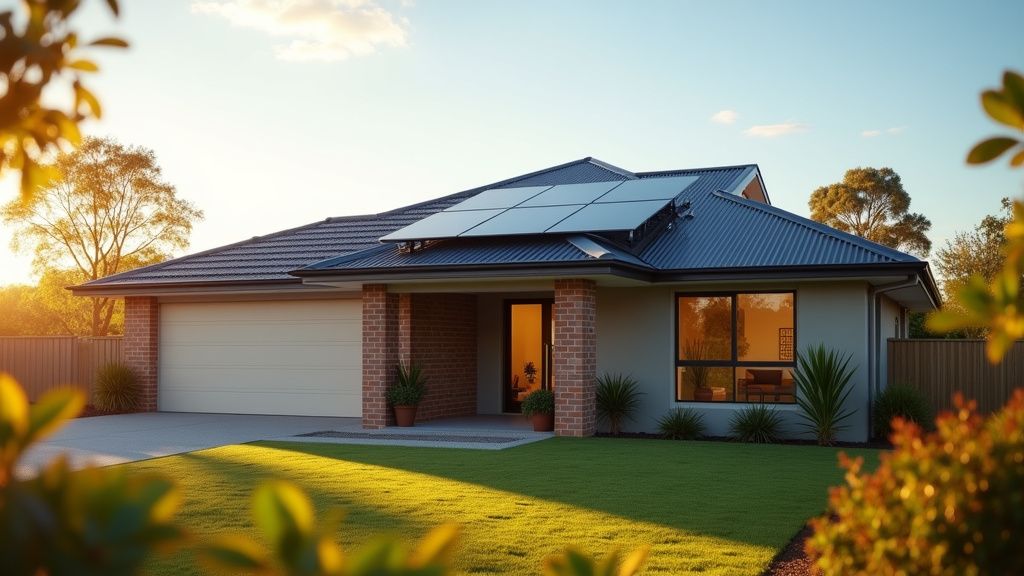
An 8kW system needs 45 to 60 square metres of usable roof and suits households that use a lot of power during the day.