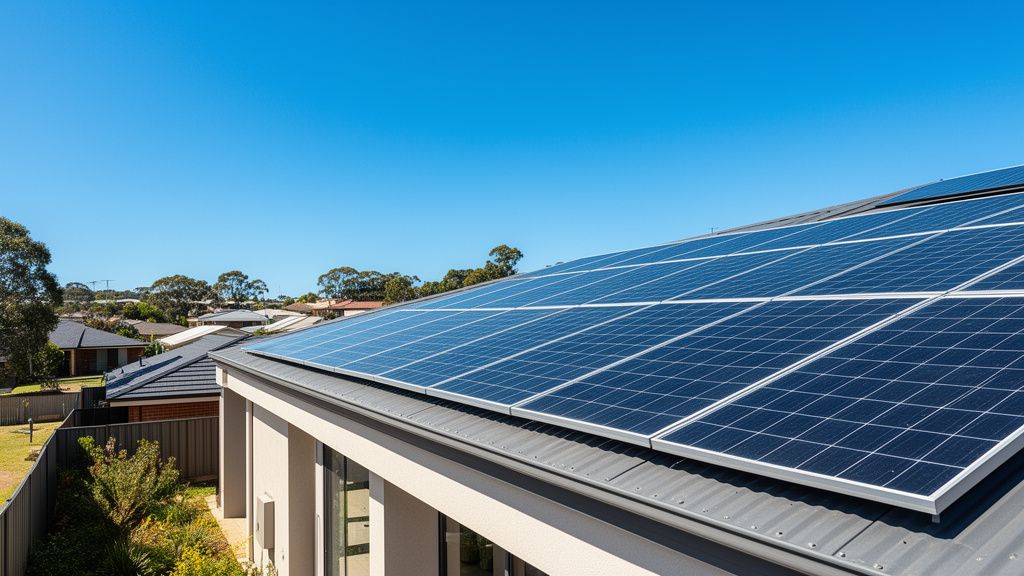
TL;DR: Australia's rapid adoption of solar energy is inadvertently creating a significant challenge: a growing mountain of solar panel waste. Without reliable recycling infrastructure, millions of panels reaching end-of-life will contribute to landfill, posing environmental and economic concerns. Addressing this requires immediate policy and investment in domestic recycling solutions.
What is Australia's solar waste problem, and why is it emerging now?
Australia is facing a rapidly escalating solar waste problem due to the sheer volume of solar panels installed over the last decade now approaching their end-of-life, combined with insufficient recycling infrastructure. While the nation has been a world leader in solar uptake, installing panels at an impressive rate to embrace clean energy, little thought was initially given to what happens when these systems eventually wear out. Most solar panels have a warranty period of 20-25 years, meaning the vast majority of panels installed during Australia's first big solar boom are now nearing the end of their operational lifespan. This looming wave of decommissioned panels, coupled with ongoing installations, creates a massive waste management challenge for councils and waste facilities across the country.
The Scale of Solar Adoption and Lifespan
Australia has one of the highest per-capita rates of rooftop solar in the world, with over 3.8 million households currently harnessing the sun's power. This phenomenal growth, particularly from the late 2000s and early 2010s driven by generous government incentives, means a large portion of these systems are projected to fail or become less efficient within the next 5-10 years. Even if panels don't completely fail, technological advancements and consumer desire for more efficient systems often lead to earlier upgrades, further accelerating the waste stream. Without a reliable, nationwide solution, these millions of panels are destined for landfill, which is far from ideal for our green energy goals.
Current Recycling Limitations
Currently, Australia's capacity to recycle solar panels is severely limited, with only a handful of dedicated facilities capable of processing these complex materials. Many panels, unfortunately, end up in general waste landfills because the cost of recycling (which can be around $10-40 per panel) often outweighs the perceived value of disposal, especially for residential customers or smaller installers. This lack of accessible and affordable recycling options means valuable materials, some of which are finite and difficult to mine, are simply buried, along with potential hazardous components. Building a thorough, economically viable recycling network nationwide is a heavy hurdle that needs immediate attention.
How much solar waste is Australia projected to generate in the coming years?
Australia is projected to generate hundreds of thousands of tonnes of solar panel waste annually in the next decade, with estimates suggesting millions of panels will reach end-of-life by 2030. Analysts and government reports paint a stark picture, forecasting that by 2030, Australia could be generating over 100,000 tonnes of PV waste per year, a figure that could soar to 1 million tonnes annually by 2050 if current trends continue without adequate intervention. The rapid accumulation of this specialised waste presents a unique logistical and environmental challenge alongside its large volume.
Projected Waste Volume
The Clean Energy Council predicts that by 2030, approximately 40% of the solar panels currently installed in Australia will reach the end of their useful life. Given the current installed capacity, this translates to an immense number of panels. To put it into perspective, a single 6.6kW residential solar system typically uses 18-22 panels. Multiply that by millions of households, and the scale of the impending waste becomes staggering. Without efficient recycling pathways, this volume will place immense pressure on landfill sites, many of which are already at capacity, and detract from the environmental benefits solar energy is supposed to deliver.
Composition of Solar Panels
Solar panels are sophisticated pieces of technology made up of several layers, including glass (around 70-80% of the panel's weight), aluminium frames, silicon cells, copper wiring, and various plastics. They also contain small amounts of valuable materials like silver and tin, along with potentially hazardous heavy metals such as lead, cadmium, and tellurium. While these hazardous materials are typically encapsulated within the panel and pose little risk during operation, they can leach into the environment if panels are broken down or left to degrade in landfill. Effective recycling processes are essential to safely recover valuable resources and prevent environmental contamination.
What are the environmental and economic impacts of unrecycled solar panels?
Unrecycled solar panels in landfill pose significant environmental risks through potential leaching of heavy metals into soil and water, and represent a lost opportunity to recover valuable resources. When solar panels are simply dumped, the protective layers can break down over time, exposing the internal components to the elements. This degradation can lead to the release of harmful substances, potentially contaminating groundwater and ecosystems, which contradicts the very purpose of adopting clean energy. Furthermore, the sheer volume of panels takes up considerable landfill space, contributing to our overall waste problem and the need for new, often remote, landfill sites.
Environmental Contamination Concerns
The presence of heavy metals like lead and cadmium, though in small quantities, means that landfilling solar panels carries a risk of environmental pollution. As panels degrade, these substances can leach into the surrounding soil and groundwater, posing risks to human health and local ecosystems. This potential for contamination undermines the green credentials of solar power if not managed properly at end-of-life. Responsible waste management is necessary to ensure that the environmental benefits of renewable energy are not offset by the negative impacts of improper disposal.
Missed Economic Opportunity
Beyond the environmental hazards, discarding solar panels represents a substantial economic loss. These panels contain valuable raw materials such as high-purity silicon, silver, copper, and aluminium, which could be recovered and re-enter the manufacturing supply chain. The global market for these materials is significant, and by failing to recycle, Australia misses out on the opportunity to create a circular economy, reduce reliance on virgin resources, and establish new recycling jobs. Investing in advanced recycling technologies can turn waste into valuable commodities, turning a problem into an economic opportunity.
What solutions are being developed or implemented to address solar panel recycling in Australia?
Australia is beginning to see initiatives like government grants for recycling facilities, industry-led stewardship programs, and emerging commercial recycling plants aimed at developing a circular economy for solar PV. Recognising the urgency of the problem, both state and federal governments, along with industry bodies, are exploring and implementing strategies to tackle solar panel waste head-on. These efforts range from supporting the establishment of advanced recycling infrastructure to developing policy frameworks that encourage or mandate responsible end-of-life management for solar products. While still in early stages, a collective push towards sustainable solutions is gaining momentum.
Emerging Recycling Infrastructure
Several dedicated solar panel recycling facilities are now operational or under development across Australia. States like Victoria have taken a lead, with a ban on electronic waste, including solar panels, from landfill, which has spurred investment in recycling solutions. Companies are now establishing plants capable of deconstructing panels, separating materials like glass, aluminium, and silicon, and processing them for reuse. While capacity is still limited compared to the projected waste volume, these facilities represent an early step towards a thorough national recycling network. More investment and expansion will be needed to meet future demand.
Policy and Industry Stewardship
The conversation around Extended Producer Responsibility schemes for solar panels is gaining traction in Australia. An EPR scheme would place the onus on manufacturers and importers to manage the end-of-life recycling of their products, internalising the cost of recycling into the product price. This encourages eco-design and funds the necessary recycling infrastructure. Additionally, industry bodies like the Clean Energy Council are developing voluntary stewardship programs to guide installers and consumers on responsible disposal. Such policy frameworks and industry leadership are essential to create a sustainable, circular economy for solar energy, ensuring that Australia's green energy future is truly green from start to finish.
Key Takeaways
- Australia faces a significant solar panel waste challenge due to early installations reaching end-of-life and rapid new uptake.
- Current landfilling practices risk environmental contamination from heavy metals and waste valuable, recoverable resources.
- Investing in and expanding domestic solar panel recycling infrastructure is necessary to manage the projected hundreds of thousands of tonnes of waste.
- Government policy, such as e-waste bans and potential Extended Producer Responsibility schemes, is important for a sustainable solar future.
- Homeowners should inquire about their installer's end-of-life panel disposal plans when purchasing new solar systems.
