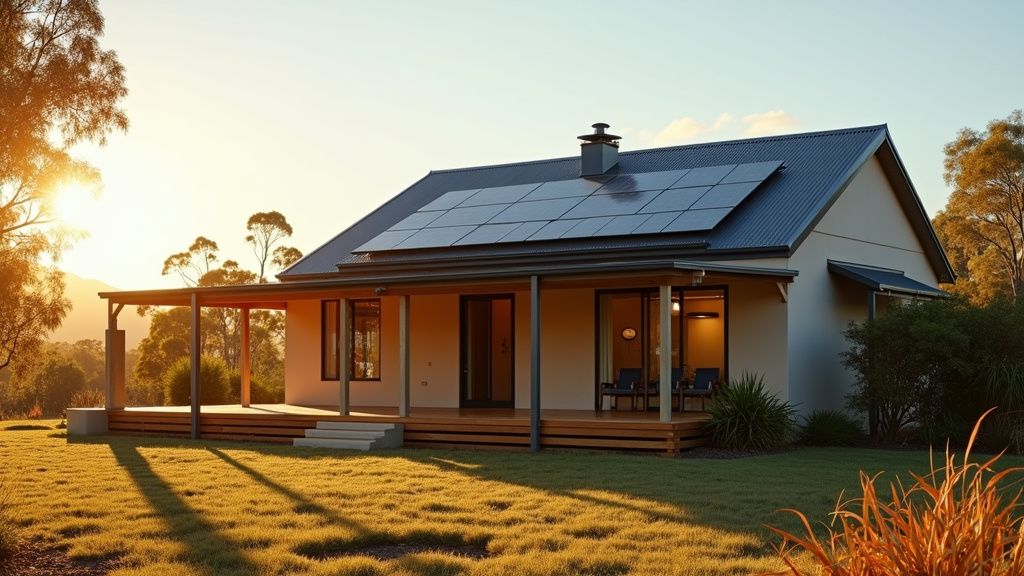
Escaping to the vast Australian wilderness has evolved beyond a fleeting weekend escape, for many, it is a cherished lifestyle, a quest for tranquillity away from the city's hum. Yet, embracing the freedom of off-grid exploration brings a modern challenge: how do you keep your essential gear powered without disturbing the very peace you sought? The good news is, finding portable solar panels for your camping setup need not be complicated. Whether you are aiming to keep your fridge humming in the caravan, ensure your communication devices are charged, or simply light up your campsite after the sun dips below the horizon, this guide is designed to simplify your choices for reliable, sustainable energy across Australia's remote landscapes. For an in-depth look at specific products, check out our Complete Guide.
Why Embrace Portable Solar for Your Aussie Adventures?
The appeal of solar power for camping stretches far beyond its environmental credentials, though the absence of engine noise and exhaust fumes improves any campsite experience.
1. Silence is Golden (and Often Mandatory): National parks and many premium camping grounds are increasingly enforcing strict generator use policies, especially during quiet hours. This makes silent solar energy a necessity, allowing you to enjoy the natural soundscape without interruption.
2. Smart Investment for Savvy Campers: While there is an initial outlay to consider, the financial advantages of portable solar are compelling. By eliminating the need for ongoing fuel purchases for generators and sidestepping expensive powered site fees, a quality solar setup typically pays for itself within two to three years of regular use. It is an investment in future adventures.
3. Absolute Freedom and Flexibility: The true value, however, lies in the sheer freedom solar provides. Imagine establishing your camp in genuinely remote, breathtaking locations without the constant anxiety of dwindling battery life. Your fridge maintains its temperature, your devices remain charged, and your lights function reliably, all while you are positioned exactly where you want to be, not where electrical hookups dictate.
Choosing Your Perfect Portable Solar Setup for 2026
Selecting the optimal solar panel configuration depends entirely on your specific requirements. A solo hiker backpacking through the bush needs vastly different equipment than a family embarking on a multi-week caravan tour. Understanding the key variables will help you invest wisely, ensuring you do not end up with inadequate or excessive capacity.
Panel Technology: Monocrystalline vs. Polycrystalline
The fundamental choice between these two technologies impacts both performance and budget:
- Monocrystalline Panels: Recognisable by their uniform black appearance, these panels offer superior efficiency in converting sunlight into electricity. This is particularly valuable during overcast conditions, shaded periods, or the shorter daylight hours of shoulder seasons. Their higher efficiency means you can generate equivalent power from a smaller physical panel, a major factor when roof space or storage capacity is limited. While they come at a higher initial cost, their reliable performance across varying conditions often justifies the investment for serious adventurers who camp year-round.
- Polycrystalline Panels: These panels typically cost less upfront and perform adequately in consistently sunny conditions. They are a suitable choice for casual campers who predominantly travel during the glorious Australian summer months, where abundant sunshine is usually a given.
Panel Format: Tailored to Your Camping Style
Your preferred camping style will largely determine which panel format works best:
- Folding Solar Mats & Blankets: These prioritise mobility and ease of deployment. They fold into compact packages that store effortlessly in roof racks or behind seats. For instance, a durable 12V 100W folding solar mat with an ETFE coating, weighing around 3 kilograms, offers excellent portability. These units excel when you are frequently changing location or need to easily reposition your panels throughout the day to maximise sun exposure.
- Fixed Panels: Representing the set and forget approach, fixed panels are favoured by caravan and camper trailer owners who desire permanent installations. A sturdy 12V 160W fixed solar panel, for example, can be securely mounted to your roof, delivering consistent power without the need for daily setup. These are designed to withstand highway speeds and extreme weather conditions.
- Flexible Panels: Occupying a specialist niche, flexible panels are designed to conform to curved surfaces, such as boat cabins or the unique contours of certain campervan roofs where rigid panels cannot be easily mounted. While offering this adaptability, they typically sacrifice some efficiency compared to their rigid counterparts.
Built to Last: Durability and Construction Quality
Beyond headline specifications, the construction quality of your solar panels is critical, determining whether they will endure years of harsh outdoor exposure or fail prematurely.
- Weatherproofing (IP Rating): This deserves particular attention. An IP67 rating indicates the panel can withstand temporary submersion and offers complete dust protection, making it ideal for tough outdoor use. An IP65 rating provides adequate protection against rain and spray, suitable for most general camping scenarios. However, even with highly waterproof panels, always exercise care with junction boxes and connectors, ensuring they remain dry or are properly sealed when exposed to moisture.
- Material Choices:
- Frames: Aluminium frames are superior to steel, offering excellent resistance to corrosion, a necessary feature in coastal or humid Australian environments.
- Cell Coating: The protective coating over the solar cells significantly impacts longevity. ETFE (Ethylene Tetrafluoroethylene) provides superior UV resistance and durability compared to cheaper PET (Polyethylene Terephthalate) alternatives. ETFE maintains its transparency and protective qualities for decades, whereas PET tends to yellow and degrade within several years, reducing panel efficiency and lifespan.
- Warranty Terms: A detailed warranty from the manufacturer is a strong indicator of their confidence in the product's quality and durability. Reputable companies stand behind their products with significant warranty periods.
In 2026, equipping your campsite with portable solar power is about embracing true independence, financial smarts, and the absolute freedom to explore Australia's hidden gems on your own terms. Choose wisely, and let the sun power your next great adventure!
