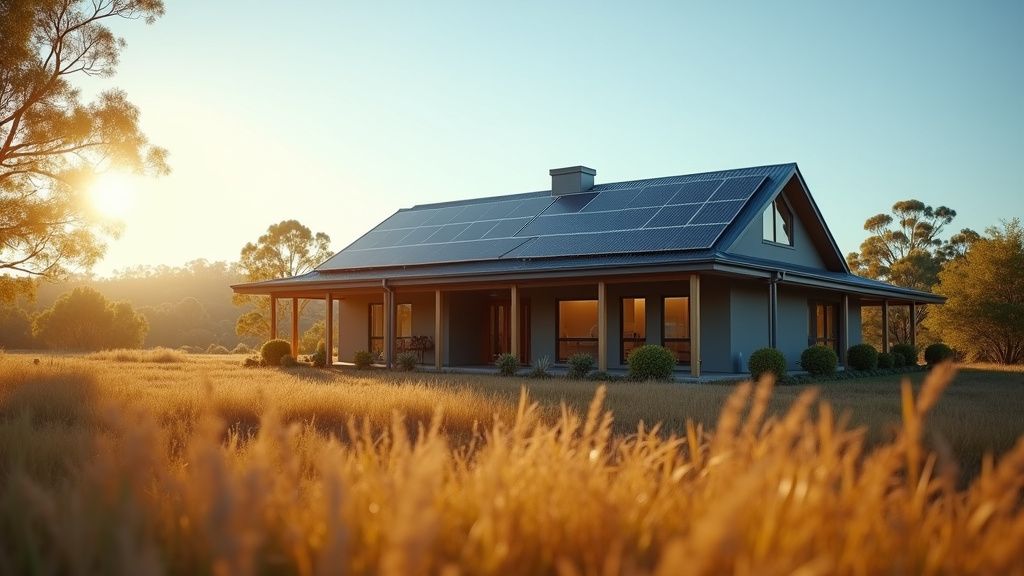
Thinking about making the leap to solar? It is a hot topic right now, and for good reason. Rooftop solar installations are booming across Australia, driven by rising electricity costs and a desire to embrace renewable energy. In fact, recent data shows a significant increase in solar capacity added this year alone, demonstrating a clear trend towards energy independence. If you are just getting started researching solar options, be sure to check out our Complete Guide.
But with so many options available, how do you know if investing in a solar power station is the right choice for you? This long-term review looks closely at the pros and cons to help you make an informed decision.
The Allure of Solar: Why Australians Are Switching
Let us face it, electricity bills in Australia can be brutal. One of the primary drivers for homeowners and businesses to install solar panels is the desire to shield themselves from these ever-increasing costs and become more self-sufficient in their energy production. Imagine being less reliant on the grid and harnessing the power of the sun to run your home or business.
Beyond financial savings, solar energy offers a compelling environmental benefit. States such as New South Wales and the ACT have committed to achieving net-zero carbon emissions by 2050. By investing in solar, you directly contribute to this goal and help create a more sustainable future for Australia.
And let us not forget the impact on your property value. A solar installation can significantly boost your home is appeal to potential buyers, demonstrating a commitment to sustainability and lower running costs.
What Has Changed? Solar in 2024
The solar market has evolved significantly in recent years. Here is what is new:
- Improved Technology: Modern solar panels are far more efficient than their predecessors. They can generate more electricity from the same footprint, maximising your energy production.
- Falling Prices: Increased competition and advancements in manufacturing have driven down the cost of solar systems, making them more accessible to a wider range of Australians.
- Government Incentives: Both the Federal and State Governments offer various rebates and incentives to encourage solar adoption. These programs can significantly reduce the upfront cost of installation. Depending on your location, you might be eligible for zero-interest loans or rebate swap programs.
The Investment: Is It Worth It?
A solar power station is undeniably a significant upfront investment. However, it is important to view it as exactly that: an investment, rather than an expense. While the initial cost may seem daunting, remember that you are essentially pre-paying for years of electricity at a fixed rate (the sun is free!).
The time it takes to recoup your initial investment will vary depending on factors such as your energy consumption, the size of your system, and the available government incentives. However, with rising electricity prices, the return on investment timeline is becoming increasingly attractive.
Acknowledging the Challenges
It is important to be realistic about the limitations of solar energy. The biggest factor is weather dependency. Solar panels rely on sunlight to generate electricity, so cloudy days and shading can reduce their output.
However, advancements in battery technology are helping to mitigate this issue. By storing excess solar energy during the day, you can use it to power your home at night or during periods of low sunlight. Look out for updated rebates on battery systems too, for example, there is currently a $750 rebate on Tesla Powerwall 3 that can be combined with Federal subsidies.
Making the Right Choice
So, is a solar power station a good buy? Ultimately, the answer depends on your individual circumstances. However, given the increasing electricity prices, government incentives, and advancements in solar technology, it is definitely an option worth considering.
Before making a decision, be sure to:
- Assess your energy consumption: Understand your current electricity usage patterns to determine the appropriate size of solar system for your needs.
- Research available incentives: Explore the rebates and incentives offered by the Federal and State Governments in your area.
- Get multiple quotes: Compare pricing and system options from different installers to ensure you are getting the best value.
- Consider battery storage: Evaluate whether a battery system would increase your energy independence and further reduce your reliance on the grid.
With careful planning and research, a solar power station can be a smart investment that saves you money, reduces your environmental impact, and increases the value of your property. It is a powerful way to take control of your energy future and contribute to a more sustainable Australia.
