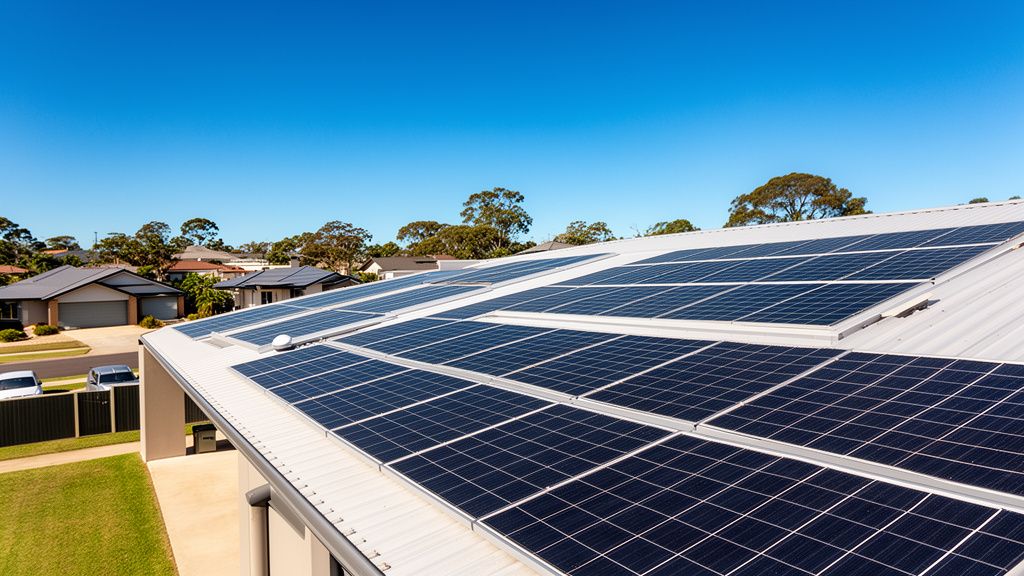
TL;DR: Lightsource bp is constructing a 200MW solar farm coupled with a 200MWh battery energy storage system near Lower Wonga, Queensland. This $450 million project will inject significant renewable power into the Queensland grid, improving stability and reliability for consumers.
What does the Lower Wonga Solar-Battery Project involve?
The Lower Wonga Solar-Battery Project combines a large-scale solar farm with substantial battery storage, a common design for new Australian utility-scale renewables. Lightsource bp, a global solar developer, leads this $450 million endeavour. The project site sits roughly 20 kilometres north of Gympie in Queensland, on a 500-hectare rural property. Construction began in mid-2023, following planning approvals and an investment decision. The setup includes 200 megawatts (MW) of solar photovoltaic capacity, generating enough clean electricity to power around 60,000 homes. Importantly, a 200 megawatt-hour (MWh) battery energy storage system (BESS) works alongside the solar farm. This BESS allows the project to store excess solar power during peak generation hours and dispatch it to the grid when demand is high or solar output dips. This pairing boosts the project value, moving beyond intermittent solar generation to provide dispatchable, reliable power.
Project Scale and Components
The 200MW solar farm comprises hundreds of thousands of bifacial solar panels mounted on single-axis trackers. These trackers follow the sun path throughout the day, maximising energy capture. The panels are bifacial, meaning they can absorb sunlight from both their front and rear surfaces, collecting light reflected off the ground. The co-located 200MWh battery system employs lithium-ion technology. This storage capacity lets the project firm its solar output, providing power into the evening peak or during cloudy periods. Integrating solar and battery at a single site reduces grid connection costs and optimises energy flow management. The entire facility will connect to the existing 275kV transmission line near the site, feeding power directly into the Queensland grid.
Strategic Location and Grid Connection
Lightsource bp chose the Lower Wonga site due to its strong solar resource, favourable topography, and proximity to major transmission infrastructure. The project connects to Powerlink Queensland transmission network via a new substation and a short transmission line. This connection point is important for large-scale energy projects; a strong grid link ensures generated power reaches homes and businesses effectively. Building near existing lines minimises new infrastructure requirements and environmental impact. The site also benefits from relatively flat land, simplifying construction and reducing civil works expenses. The region generally clear skies provide consistent, high-quality solar irradiation, making it an ideal spot for a solar farm of this size.
How will Lower Wonga contribute to Queensland energy future?
The Lower Wonga project advances Queensland transition towards a cleaner energy system and supports its ambitious renewable energy targets. By adding 200MW of solar generation and 200MWh of battery storage, it injects a substantial amount of renewable power into the state grid. Queensland aims for 70% renewable energy by 2032 and 80% by 2035. Projects like Lower Wonga provide the necessary generation capacity to meet these goals, reducing reliance on fossil fuels. The co-located battery makes the project valuable; it can provide essential grid services beyond just energy generation, such as frequency regulation and voltage support. This helps stabilise the grid as more intermittent renewables come online.
Improving Grid Reliability
The battery storage component is central to improving grid reliability. Without storage, large solar farms only generate electricity when the sun shines. The Lower Wonga battery allows the project to store energy during midday, when solar output often exceeds demand, and then discharge it during evening peaks, when demand is high and solar output drops off. This peak shaving capability reduces stress on the grid during critical times. It also offers firming capacity, making the overall energy supply more predictable and dispatchable. Furthermore, the battery can provide ancillary services, such as fast frequency response, which helps maintain grid stability by quickly responding to sudden changes in supply or demand. These services become important as the grid integrates more renewable energy sources.
Advancing Renewable Targets
Lower Wonga directly contributes to Queensland decarbonisation efforts by displacing fossil fuel generation. Generating 200MW of clean electricity for approximately 60,000 homes means a substantial reduction in carbon emissions. The project helps Queensland move closer to its 2032 target of 70% renewables. Queensland Energy and Jobs Plan relies on such large-scale projects to phase out coal-fired power stations and build a clean energy economy. The integration of solar and battery in one facility sets a precedent for future renewable projects, demonstrating a model for reliable, dispatchable green energy. This project moves Queensland further along the path to becoming a net-zero emission economy.
What economic and social impacts will the project bring to the region?
The Lower Wonga Solar-Battery Project delivers considerable economic and social benefits to the Gympie region and broader Queensland. During its construction phase, it creates hundreds of jobs, drawing skilled workers and local contractors. This influx of activity stimulates local businesses, from accommodation and hospitality to equipment suppliers. Once operational, the project requires a smaller but consistent workforce for maintenance and monitoring, providing long-term local employment opportunities. Lightsource bp also focuses on community engagement, ensuring open communication with neighbours and local councils, addressing concerns, and exploring local investment opportunities. This commitment ensures the project integrates well into the fabric of the community, supporting mutual benefit beyond just electricity generation.
Boosting Regional Employment
Construction of a project this size demands a significant workforce, estimated at over 200 people during its busiest periods. This includes civil engineers, electricians, machinery operators, and general labourers. Local businesses in Gympie and surrounding areas often supply services and materials, keeping economic activity within the region. These jobs provide income and training opportunities, upskilling the local workforce in renewable energy technologies. Post-construction, a smaller team of skilled technicians and site managers will operate and maintain the facility for its 30-year lifespan. These ongoing roles represent stable, long-term employment for regional residents, contributing to the economic resilience of the area.
Local Investment and Community Benefits
Beyond direct employment, the project injects capital into the local economy through various channels. Local services, contractors, and suppliers benefit from procurement. Lightsource bp maintains relationships with local landholders and community groups, often establishing benefit-sharing arrangements or community funds. For instance, some projects in Australia allocate a portion of their revenue to local community initiatives. While specific details for Lower Wonga community contributions are typically refined during the development and operational phases, the standard practice for major renewable developments includes local sponsorships, grants, and environmental programs. These efforts aim to ensure the project brings tangible advantages to its neighbours and supports the region overall development, making it a responsible corporate citizen.
Key Takeaways
- Lightsource bp Lower Wonga project is a 200MW solar farm with a 200MWh battery, costing $450 million.
- The project is located near Gympie, Queensland, connecting to the 275kV transmission network.
- It will contribute to Queensland 70% renewable energy target by 2032.
- The co-located battery improves grid stability and provides dispatchable power, firming solar output.
- Construction generates over 200 local jobs, with ongoing operational roles and local economic investment.