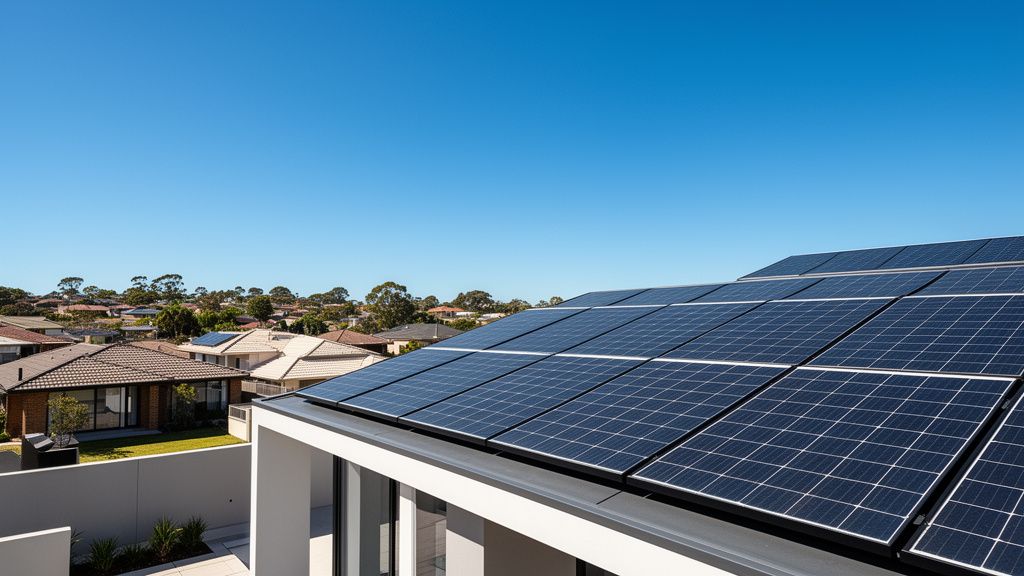
TL;DR: SunPower's high-efficiency solar cell technology powers more than just Australian homes. Their durable, top-performing cells have been essential in space missions for decades and remain a staple for record-setting solar race cars competing in events like the World Solar Challenge, demonstrating extreme reliability and power output.
How Do SunPower Cells Power Satellites and Spacecraft?
SunPower's Maxeon cell technology powers various satellites and spacecraft due to its high efficiency and durability in harsh space environments. For over three decades, the company's cells have operated reliably beyond Earth's atmosphere, collecting solar energy where performance failures carry immense costs. Satellites require cells that can withstand extreme temperature fluctuations, vacuum conditions, and constant radiation bombardment, all while maintaining consistent power output for years without maintenance.
Early Achievements in Orbit
NASA, the European Space Agency, and other space organisations have used SunPower cells on numerous missions. These cells first launched into space in 1989. For example, SunPower cells helped power NASA's Mars Global Surveyor mission, which orbited Mars for over nine years, far exceeding its planned lifespan. They also supported the Rosetta mission, which travelled over 6.4 billion kilometres to rendezvous with a comet. In such demanding applications, every gram of weight and every square centimetre of surface area counts, making highly efficient solar cells a necessity.
The Maxeon Cell Advantage in Space
The unique design of Maxeon cells, featuring a solid copper foundation and back-contact architecture, makes them particularly suited for space. This design removes the delicate metal lines from the front of the cell, protecting them from damage. The back-contact format reduces stress on the cell during extreme thermal cycling, which is common in orbit. Furthermore, these cells exhibit excellent resistance to radiation degradation, ensuring a steady power supply for the long duration of space missions. This resilience translates directly into longer mission lifespans and more dependable performance.
Why Do Solar Race Cars Rely on SunPower Technology?
Solar race teams worldwide, especially those competing in Australia's World Solar Challenge, choose SunPower cells for their superior efficiency and ability to generate maximum power from a limited surface area. In the competitive world of solar racing, even a fractional gain in efficiency can translate to significant speed and range advantages. Teams invest substantial time and money into their vehicles, so they demand proven technology that delivers consistent, high performance under challenging conditions.
Speed and Endurance on Australian Roads
The Bridgestone World Solar Challenge is a 3,000-kilometre endurance race across the Australian outback, putting solar technology through its paces. Teams navigate vast distances while battling intense heat, dust, and long driving days. SunPower cells give teams the highest power output from the smallest possible array footprint. This allows car designers to create more aerodynamic vehicles, reduce weight, and maximise speed while managing the strict energy limits of the race. The ability to generate maximum power even when the sun is not directly overhead, thanks to the cells' broad spectral response, provides a strong competitive edge.
Pushing the Boundaries of Performance
The race car environment differs significantly from a rooftop. Cells endure constant vibrations, high speeds, and direct exposure to the elements for days on end. Teams like the Delft University of Technology's Solar Team Twente and the University of Michigan Solar Car Team consistently use SunPower cells, building world-record-setting vehicles. Their success demonstrates the cells' capacity to convert sunlight into usable energy with high efficiency, often exceeding 22-24% at the cell level. This pushes the boundaries of what is possible with solar-powered transport, directly influencing future electric vehicle design.
Does Space-Grade Solar Technology Benefit Australian Homeowners?
The rigorous development and testing of SunPower cells for space and racing applications directly translate into more reliable and efficient solar systems for Australian homes and businesses. When a solar cell must survive the vacuum of space or propel a vehicle across the continent at speed, the engineering behind it must be exceptional. This focus on performance and durability from extreme environments trickles down into the residential products available on your roof.
Reliability and Longevity for Residential Systems
Homeowners benefit from the same durable Maxeon cell architecture that spacecraft and solar race cars rely on. The solid copper foundation and durable front contacts make SunPower panels significantly more resistant to cracking and corrosion, common causes of degradation in standard solar panels over time. This translates into a longer operational life and more consistent energy production. SunPower backs this with an industry-leading 25-year product and power warranty, reflecting confidence in their panels' ability to perform for decades, even in Australia's harsh climate. You are investing in a product engineered for tough conditions on and off Earth.
Higher Efficiency, Greater Savings
For Australian homeowners, higher efficiency means getting more power from less roof space. If you have a smaller roof or specific aesthetic requirements, high-efficiency panels like SunPower's allow you to install a larger system capacity than conventional panels would permit. For example, a 6.6kW system built with premium high-efficiency panels might take up 20% less roof area than one built with standard panels. While a premium system might cost slightly more upfront, perhaps $2.00-$2.50 per watt installed compared to $1.20-$1.50 per watt for budget options, the increased power output and longer lifespan often lead to quicker payback periods and greater lifetime savings, especially with current electricity prices and decreasing feed-in tariffs.
Key Takeaways
- SunPower Maxeon cells power spacecraft due to their high efficiency, durability against radiation, and resilience in extreme space environments.
- Solar race teams, particularly in Australia's World Solar Challenge, choose SunPower cells for their superior energy conversion, allowing for faster and lighter vehicles.
- The rigorous testing and engineering for space and racing applications result in reliable and durable solar panels for residential Australian systems.
- Australian homeowners benefit from increased panel efficiency, meaning more power from less roof space, and longer product warranties.
- Investing in high-grade solar technology, proven in extreme conditions, can lead to quicker payback periods and greater long-term energy savings.
