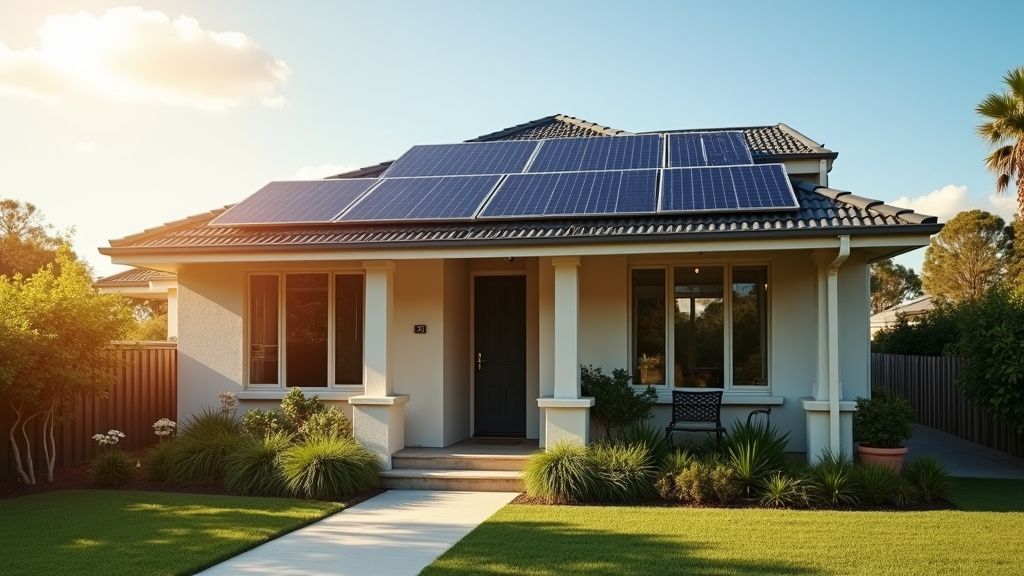
Power Up Your Home: An Australian's Guide to 8kW Solar Systems
Thinking about harnessing the Aussie sun to power your home and slash those electricity bills? An 8kW solar system could be the perfect fit. It is a popular choice for Australian households, offering a sweet spot between energy generation and cost. But before you dive in, let us break down everything you need to know.
Why Choose an 8kW Solar System?
An 8kW system is typically well-suited for homes with medium to high energy consumption. Think families with air conditioning, electric hot water systems, pools, or those who simply use a lot of appliances throughout the day. It can significantly reduce your reliance on the grid, leading to substantial savings on your electricity bills.
How Much Energy Can You Expect?
The amount of energy an 8kW solar system generates depends on several factors, including your location, the panel's orientation and tilt, and weather conditions. As a general rule, you can expect an 8kW system in Australia to produce around 32-40 kilowatt-hours (kWh) of electricity per day. This is, of course, a ballpark figure, and your actual output may vary.
Key Components of an 8kW Solar System
An 8kW system is not just about the panels. Here are a rundown of the essential components:
- Solar Panels: These are the workhorses of the system, converting sunlight into electricity. You will need approximately 20-25 solar panels, depending on the wattage of each panel (usually ranging from 330W to 400W).
- Inverter: The inverter converts the direct current (DC) electricity produced by the panels into alternating current (AC) electricity, which can be used to power your home and fed back into the grid. String inverters are a common choice, but microinverters or power optimizers can offer improved performance and monitoring capabilities.
- Mounting System: This secures the panels to your roof, ensuring they can withstand the elements.
- Wiring and Electrical Components: These connect all the components together and ensure the safe and efficient flow of electricity.
- Monitoring System (Optional): Allows you to track your system's performance, identify any issues, and maximize your energy savings.
How Much Will It Cost?
The cost of an 8kW solar system in Australia varies depending on several factors, including the quality of the components, the complexity of the installation, and the installer you choose. Generally, you can expect to pay anywhere from $8,000 to $12,000 after government rebates. Remember to get multiple quotes from reputable installers to compare prices and services.
Government Rebates and Incentives
The Australian government offers incentives to encourage the uptake of solar power. The primary incentive is the Small-scale Technology Certificates (STCs) scheme. This reduces the upfront cost of your system, and the installer typically handles the paperwork. The value of the STCs depends on your location and the size of your system.
Choosing the Right Installer
Selecting a reputable and experienced installer is essential for a successful solar installation. Look for companies that are:
- Accredited by the Clean Energy Council (CEC): This ensures they meet industry standards and are qualified to install solar systems.
- Licensed and Insured: Protects you from liability in case of accidents or damage.
- Offer Standard Warranties: Provides peace of mind knowing that your system is covered for any defects or performance issues.
- Have Positive Reviews and Testimonials: Indicates their track record of customer satisfaction.
A local solar company familiar with the specific regulations and conditions in your area can offer tailored solutions. Some businesses focus on delivering transparent and honest service while offering efficient solar installations based on individual customer requirements.
Maximizing Your Savings
To get the most out of your 8kW solar system, consider the following:
- Use energy-intensive appliances during daylight hours: This maximizes your self-consumption of solar energy, reducing your reliance on the grid.
- Consider a Solar Battery: Storing excess solar energy for use at night or during cloudy days can further reduce your electricity bills.
- Monitor your energy consumption: Identify areas where you can reduce your energy usage and optimize your solar system's performance.
Is an 8kW System Right for You?
An 8kW solar system is a significant investment, but it can pay off handsomely in the long run. By carefully considering your energy needs, budget, and location, you can determine if it is the right choice for your home. Do not hesitate to consult with a qualified solar installer to get personalized advice and a tailored solution that meets your specific requirements. Taking the leap into solar helps you to reduce your carbon footprint, save money, and contribute to a more sustainable future for Australia.
