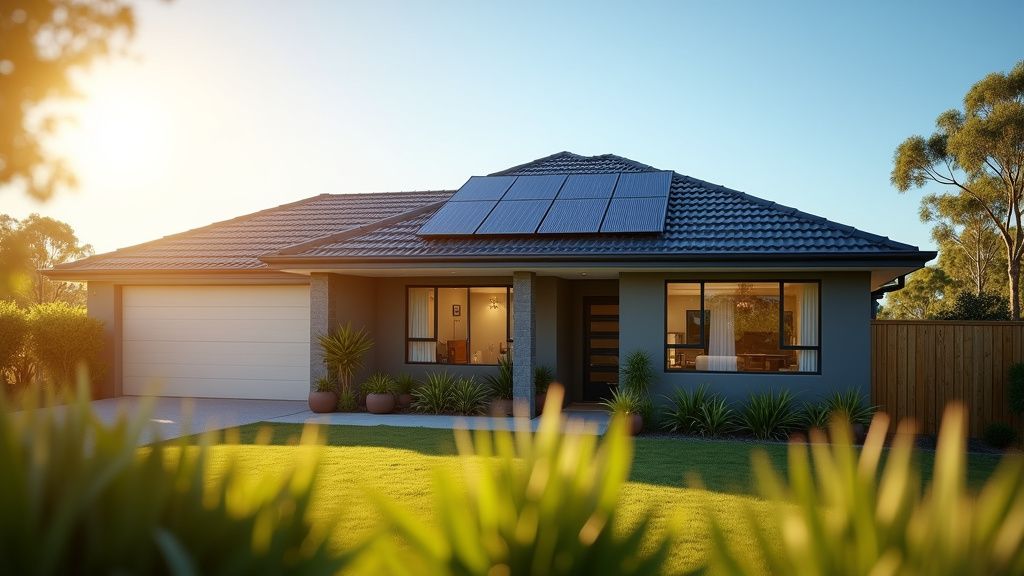
The difference between 6kW and 6.6kW is smaller than it looks, and the reason 6.6kW dominates Australian quotes is a rule rather than a preference: panel capacity may not exceed 133% of inverter capacity, and 5kW x 133% is 6.65kW.
This blog post will break down the key differences between these two sizes, helping you make an informed decision. For a more in-depth overview, check out our Complete Guide.
What's the Difference?
At first glance, the difference between 6kW and 6.6kW might seem small. It comes down to the total wattage of the solar panels installed on your roof. A 6.6kW system simply has slightly more solar panel capacity than a 6kW system.
Why is 6.6kW Becoming More Common?
While 6kW systems were once the standard, 6.6kW systems have gained popularity for a few key reasons:
- Cost-Effectiveness: Due to increased demand and efficient manufacturing processes, 6.6kW systems offer excellent value for money.
- Optimal Size: 6.6kW systems often strike the perfect balance between energy production and affordability for the average Australian household.
- Grid Connection Ease: Getting approval to connect to the electricity grid is generally straightforward for systems of this size.
Decoding the Numbers: Panels and Inverters
Let's look at the technical side.
- Solar Panels: A modern 6.6kW system typically consists of around 15 to 20 solar panels, depending on the wattage of each individual panel. Panels range from 330W to 460W. This means that with higher wattage panels, you will need fewer panels overall. Expect to need around 34-38 square metres of roof space for a 6.6kW system, potentially more if tilt frames are required.
- Inverters: Here's where things get interesting. You might be surprised to find that a 6.6kW system often uses a 5kW inverter. This is because 5kW inverters are pre-approved for grid connection by most electricity networks. The practice of pairing a larger solar panel array with a slightly smaller inverter is known as "overclocking."
Overclocking: Is it a Good Thing?
Yes, generally! Overclocking, within the allowable limits (up to 33% over the inverter's capacity, according to industry guidelines), offers several advantages. A 5kW inverter can comfortably handle up to 6.6kW of solar panels. Here's why it works:
- Maximising Energy Yields: Overclocking allows you to capture more solar energy in the early morning and late afternoon when sunlight isn't at its peak.
- Peak Clipping: While the system might generate slightly more than 5kW at peak times, the inverter will simply "clip" the output back to its maximum capacity. This small amount of clipping is usually outweighed by the increased energy production throughout the day.
Production and Payback
The amount of electricity your system generates will vary depending on your location, panel orientation, and shading. However, a well-placed 6.6kW system can produce an average of 19-30 kWh of electricity per day. Remember that summer months will yield higher production than winter months.
Cost of 6.6kW System
As of 2025, a fully installed 6.6kW solar system will cost around $5,000-$6,000 after the government STC rebate. This price can vary depending on the specific components used, the complexity of the installation, and your location.
Battery Storage and the 6.6kW System
If you're considering adding battery storage in the future, a 6.6kW system is a great starting point. It provides enough excess energy to charge a battery, allowing you to use solar power even when the sun isn't shining. Battery sizes typically range from 10-13.5 kWh, offering ample storage capacity.
Payback Time: When Will You See a Return?
The payback period for a solar system depends on several factors, including:
- The initial cost of the system
- Your electricity consumption habits
- The feed-in tariff you receive for exporting excess solar energy back to the grid
- Your location
Generally, a 6.6kW system can pay for itself in energy bill savings and feed-in tariff credits within a few years.
6kW vs. 6.6kW: Which Should You Choose?
In most cases, a 6.6kW system is the better choice for Australian homeowners. The slightly larger capacity provides a greater return on investment, especially if you plan to add battery storage in the future. The price difference is generally negligible, making the 6.6kW system a more compelling option.
Ultimately, the best way to determine the right size system for your home is to get a professional assessment from a reputable solar installer. They can evaluate your energy needs, roof space, and budget to recommend the perfect solution.
