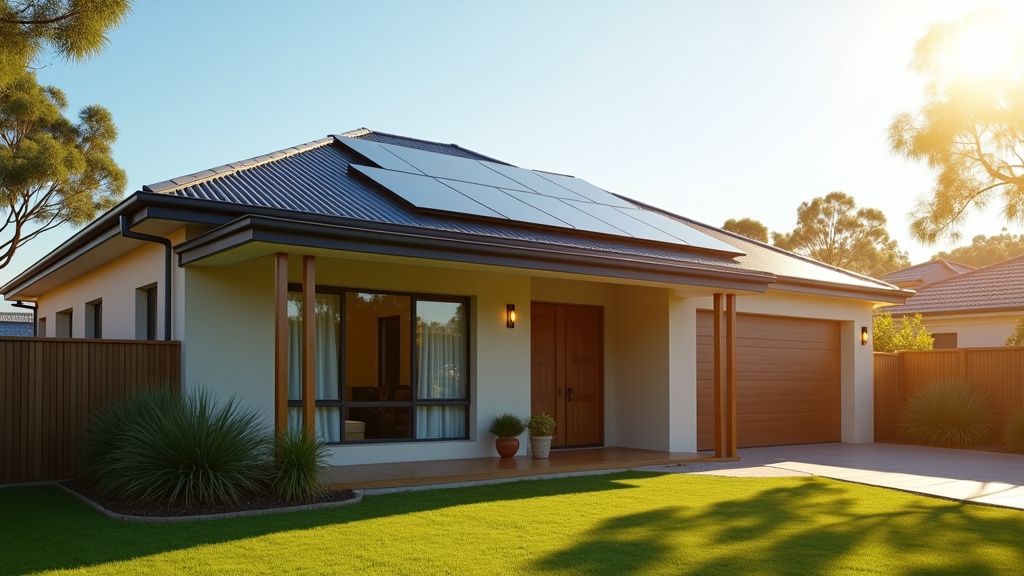
Solar Rebates and Incentives: How Efficiency Plays a Role in Qualification
Considering making the switch to solar power? Excellent choice! Australia's abundant sunshine makes it a fantastic investment for homeowners and businesses alike. One of the biggest attractions is the range of government rebates and incentives available to help offset the upfront costs. But did you know that the efficiency of your solar system can directly impact your eligibility and the amount of assistance you receive? This post will break down how efficiency plays a crucial role in accessing these financial benefits. For a more detailed analysis, check out our Complete Guide to solar panel efficiency.
Understanding the Key Incentives: STCs and Beyond
The primary national incentive is the Small-scale Renewable Energy Scheme (SRES), which operates through Small-scale Technology Certificates (STCs). Essentially, when you install a new rooftop solar system, you are entitled to a certain number of STCs. Your solar retailer or installer typically handles the application and sale of these certificates on your behalf, and the value is then deducted from the overall cost of your system. Think of it as an upfront discount on your investment.
From July 2025, the Australian Government is also rolling out the Cheaper Home Batteries Program, which provides a discount of around 30% on the cost of installing a battery alongside your solar system as an expansion to the SRES. This is a game-changer for households looking to maximize their energy independence and reduce their reliance on the grid.
Beyond the federal level, keep an eye out for state and territory-based rebates and loan programs. These vary depending on your location and can provide further financial assistance. Some local councils also offer additional incentives.
How Efficiency Impacts Your STC Entitlement
The number of STCs you receive is directly related to the expected electricity generation of your solar system until 2030. This is where efficiency comes into play. Several factors influence this calculation:
- System Size (kW): A larger system (more panels) will generally generate more electricity and, therefore, attract more STCs.
- Location: Areas with higher solar irradiance (more sunshine) will generate more electricity, leading to a greater STC entitlement.
- Installation Angle and Orientation: Optimizing the angle and direction of your panels to maximize sun exposure is crucial.
- Panel Efficiency: This is where the quality of your solar panels becomes critical. More efficient panels generate more electricity per square meter, increasing the overall output of your system and, consequently, the number of STCs you are eligible for.
- Inverter Efficiency: The inverter converts the DC electricity from your panels into AC electricity for your home. A more efficient inverter minimizes energy loss during this conversion, maximizing your system's overall output.
In short, a more efficient system – using higher-quality panels and an efficient inverter, installed at an optimal angle and orientation for your location – will generate more electricity and qualify for a greater number of STCs, resulting in a larger upfront discount.
Qualifying for Rebates and Incentives: Key Requirements
To be eligible for STCs, the Cheaper Home Batteries Program and other rebates, there are some essential requirements:
- Accredited Installer: Your solar system must be installed by a Solar Accreditation Australia accredited installer. This ensures the installation meets Australian standards and is safe and reliable.
- Approved Components: The solar panels and inverter must be listed on the Clean Energy Council's list of approved modules and inverters. This guarantees they meet minimum performance and safety standards.
These requirements are in place to protect consumers and ensure the quality and reliability of solar installations. Using high-efficiency panels that are on the approved list is vital for maximizing your returns.
The Community Solar Banks Program
For those who live in apartments or multi-unit dwellings and cannot install their own individual solar systems, the Australian Government's Community Solar Banks Program offers a fantastic alternative. This program supports the installation of shared solar and clean energy technology, helping lower electricity costs for up to 25,000 households. This is a great option for renters or apartment owners who want to benefit from solar energy. Contact your local state or territory government to discover what help is available in your area and how to apply.
Making the Most of Your Solar Investment
Choosing a solar system is a significant investment, and understanding the available rebates and incentives is crucial. By focusing on system efficiency – from the quality of the panels and inverter to the installation angle – you can maximize your STC entitlement and other potential rebates, significantly reducing the upfront cost of your solar system and accelerating your return on investment. Don't hesitate to contact a reputable and accredited solar installer to discuss your specific needs and the options available to you.
