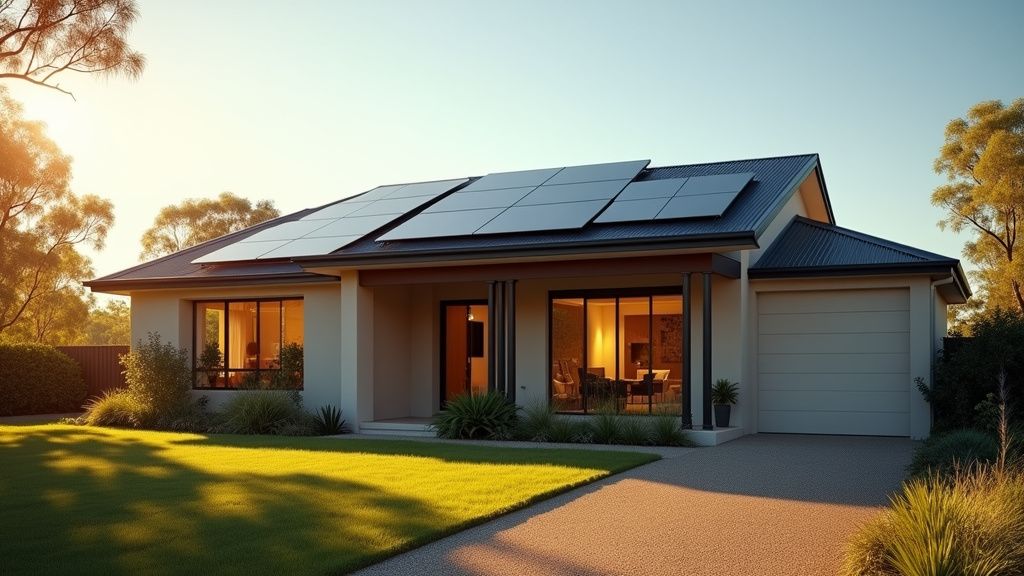
Feeling the Heat? How Temperature Affects Solar Panel Efficiency in Australia
Thinking about going solar? Smart move! Australia's abundant sunshine makes it a prime location for harnessing the power of the sun. But before you invest, it's crucial to understand how our diverse climate, particularly temperature, can affect the efficiency of your solar panels. This article will delve into the relationship between temperature and solar panel performance in Australia. For a more detailed overview, check out our Complete Guide.
Sunshine State... and Scorching Temperatures
Solar panels work by converting sunlight into electricity. The more sunlight they receive, the more electricity they generate. However, temperature plays a significant, and often overlooked, role. While Australia is renowned for its high solar irradiance (the amount of sunlight hitting the Earth's surface), our often extreme temperatures, particularly during summer, can actually reduce your solar panel's output.
The Temperature Coefficient: Why Heat is the Enemy
Solar panel manufacturers specify a "temperature coefficient" for their products. This number, usually expressed as a percentage per degree Celsius (°C), indicates how much the panel's power output decreases for every degree above 25°C (the standard testing temperature).
Here's the kicker: Most solar panels operate at temperatures significantly higher than 25°C during an Aussie summer day. Let's say your solar panel has a temperature coefficient of -0.4%/°C. If the panel's surface temperature reaches 65°C (which is entirely plausible), that's 40°C above the ideal testing temperature. This means your panel could be producing 16% less power than its rated output (40°C x -0.4%/°C = -16%).
This reduction in efficiency is due to increased electrical resistance within the solar panel as temperatures rise. Think of it like trying to push water through a narrow pipe – it becomes more difficult as the pipe gets hotter. In the case of solar panels, higher resistance means less electricity flows.
Regional Differences Across Australia
The impact of temperature on solar panel efficiency varies across Australia, depending on the local climate:
- Northern Territory & Outback: These regions experience extremely high temperatures for extended periods. This can significantly impact solar panel performance and potentially accelerate degradation of the panels over time.
- Queensland & Western Australia (Inland): Similar to the Northern Territory, these areas also face prolonged periods of intense heat. Careful consideration of panel specifications and cooling strategies is essential.
- Coastal Regions: Coastal areas often have higher humidity, which can slightly reduce solar panel efficiency by absorbing and scattering sunlight. However, the moderating effect of sea breezes can help keep panel temperatures slightly lower compared to inland areas.
- Southern States (Victoria, Tasmania, South Australia): While summers can still be hot, these regions generally experience milder temperatures compared to the north. This means temperature-related efficiency losses may be less pronounced.
Minimising the Impact of Heat
While you can't control the weather, you can take steps to mitigate the impact of high temperatures on your solar panels:
- Choose High-Quality Panels: Opt for panels with a low-temperature coefficient. While they may be slightly more expensive upfront, they'll perform better in the heat and provide better returns over the long term.
- Adequate Ventilation: Ensure your solar panels have sufficient airflow around them. Proper mounting and positioning are crucial for allowing heat to dissipate.
- Regular Cleaning: Dust and grime buildup can trap heat, further reducing efficiency. Regular cleaning, especially in dusty areas, is essential. A professional cleaning service might cost around $80 - $150, depending on the size of your system.
- Consider Solar Battery Storage: A battery system allows you to store excess energy generated during cooler periods of the day for use during peak demand times when the panels might be operating at lower efficiency due to heat. Government rebates are often available for battery storage, reducing the upfront cost.
- Panel Orientation: Proper panel orientation is key. Consider the angle and direction of the panels during installation to maximize sun exposure in the cooler months.
Climate Change Considerations
It's also important to consider the long-term impact of climate change on solar panel efficiency. Rising temperatures and changes in rainfall patterns are predicted for many parts of Australia. This means temperature-related efficiency losses could become more significant in the future, making it even more important to choose high-quality, heat-resistant panels.
The Bottom Line
Understanding the impact of temperature on solar panel efficiency is crucial for making informed decisions about your solar energy investment in Australia. By choosing the right panels, ensuring adequate ventilation, and taking other preventative measures, you can maximise your solar power output and enjoy a greater return on your investment, regardless of the Aussie heat.
