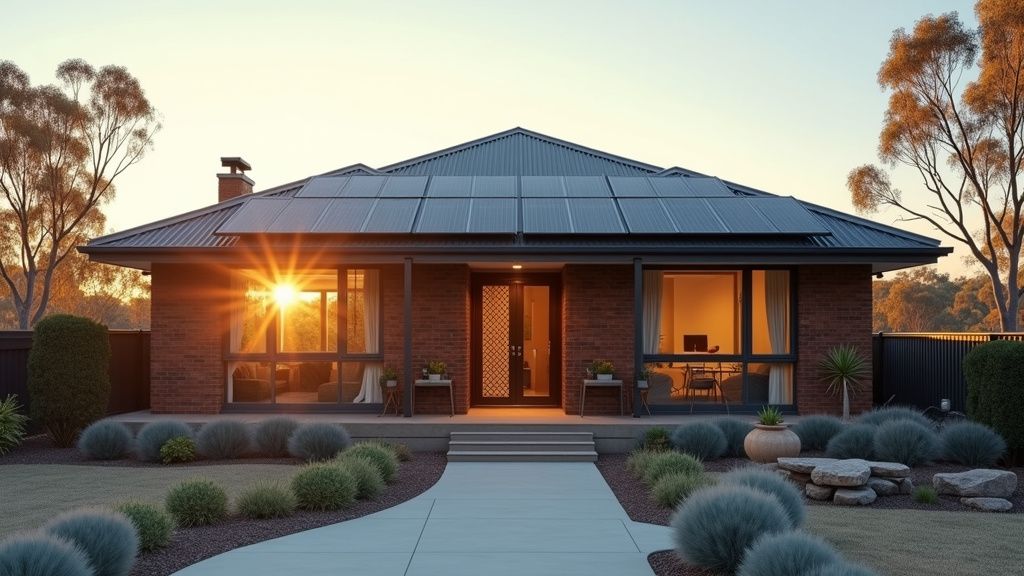
Battling the Winter Blues: Can Solar Batteries Keep You Powered Through the Darkest Australian Days?
Winter in Australia. For some, it’s cosy nights by the fire. For others, it's shorter days, grey skies, and a nagging worry about keeping the lights on. If you're relying on solar power, you might be wondering: will my system keep me powered through winter, or will I be left shivering in the dark?
The good news is, solar power does work in winter. It's a myth that panels suddenly cease functioning just because the temperature drops. However, the amount of energy produced certainly decreases compared to those long, sunny summer days. And that’s where battery storage comes in. For a comprehensive look at leveraging solar battery storage, check out this Complete Guide.
Winter's Impact on Solar Output: The Reality
Let's be realistic: solar panel output dips in winter. June is typically the least productive month for solar energy generation across most of Australia due to the winter solstice – the shortest day of the year. Even on the worst days, solar panels will still generate some electricity. While on a bad day your panels might only produce around 20% of their average daily output, that's infinitely better than nothing.
The degree of reduction varies across the country. Darwin is an exception, often seeing higher solar output in winter than in summer. However, in other capital cities, the picture is less rosy. For instance, in Hobart, solar output in June from a typical 6.6kW system might only cover a small percentage of average household energy consumption.
Solar Alone: Can it Cope?
Even with the winter dip, a well-designed solar system can still make a significant dent in your electricity bills. In some cities like Darwin, Brisbane, Perth and Sydney, a standard 6.6kW system could potentially generate more power than the average household consumes in June. But in cooler cities, particularly those using more energy for heating, a gap emerges between solar energy production and energy needs.
Enter Battery Storage: Your Winter Power Buffer
This is where battery storage transforms the game. Solar batteries allow you to store excess energy generated during the sunnier parts of the day, even in winter, and then use that stored energy when your solar panels aren't producing enough, such as at night or on cloudy days.
Think of it as building a reserve. On days when your panels generate more than you need, the excess charges your battery. Then, when the sun goes down or a particularly gloomy day hits, you can draw power from the battery instead of relying solely on the grid.
Benefits of Battery Storage in Winter:
- Increased Energy Independence: Reduce your reliance on the grid, shielding you from price hikes and potential outages.
- Maximise Self-Consumption: Use more of the solar energy you generate, rather than exporting it back to the grid for a lower feed-in tariff.
- Backup Power: Some battery systems can provide backup power during blackouts, ensuring you can keep essential appliances running.
- Reduced Electricity Bills: By using stored solar energy, you'll draw less power from the grid, leading to lower electricity bills.
Factors to Consider:
- Battery Size: The size of your battery will determine how much energy you can store and for how long. Consider your average daily energy consumption, especially during winter, to determine the right size for your needs.
- Solar System Size: A larger solar system will generally produce more energy, allowing you to charge your battery more effectively, even during winter.
- Home Energy Efficiency: Reducing your overall energy consumption will help your battery last longer. Consider improving insulation, using energy-efficient appliances, and being mindful of your energy usage.
- Cost: Battery storage can be a significant investment. Carefully weigh the costs and benefits to determine if it's the right choice for your situation. Government rebates and incentives may be available to help offset the initial cost.
Boosting Your Winter Solar Performance:
Even with a battery, there are a few things you can do to maximize your solar output in winter:
- Keep your panels clean: Dust, dirt, and debris can reduce the amount of sunlight your panels absorb.
- Check for shading: Ensure trees or buildings aren't casting shadows on your panels, especially during the shorter winter days.
- Consider panel orientation: If possible, optimize the angle and direction of your panels to maximize sunlight capture during winter.
Is Battery Storage Right for You?
Ultimately, the decision of whether or not to invest in battery storage depends on your individual circumstances and energy needs. If you're looking to maximize your energy independence, reduce your reliance on the grid, and keep the lights on during those dark winter days, battery storage could be a worthwhile investment. Research your options, get quotes from reputable installers, and take control of your energy future.
