SolarInsights: Why Your Electricity Bill Might Rise Even With Stable Usage
Frustrated that your electricity bill is climbing despite maintaining consistent energy consumption? You're not alone. Many Australian households are feeling the pinch of rising power costs, even when they haven't changed their energy habits. Let's delve into the reasons behind this frustrating trend. For a deeper dive, check out our Complete Guide.
The Wholesale Price Rollercoaster
A significant portion of your electricity bill (up to 40%) is influenced by wholesale electricity prices. These are the rates that energy retailers pay to purchase the power they then supply to you. Unfortunately, these wholesale prices have been on a wild ride, largely due to Australia’s ongoing reliance on fossil fuels like coal and gas.
While Australia is rapidly expanding its renewable energy capacity with solar and wind power, a considerable amount of our electricity still originates from coal and gas-fired power stations. The problem? Electricity generated from fossil fuels is becoming increasingly expensive. Recent figures show that electricity from fossil fuels can be almost double the price of electricity from renewable sources per megawatt hour (MWh).
The Global Gas Effect
Gas plays a complex and often overlooked role in our electricity pricing. Australia is a major gas exporter, shipping around 80% of its gas overseas. This means that domestic gas prices are often tied to international market rates, making us vulnerable to global price fluctuations.
Even though gas only accounts for a small percentage of the electricity generated in Australia's main grid, its price significantly impacts overall electricity costs. Due to its high cost, gas can influence the price of electricity during a significant portion of pricing periods. This means even a small amount of gas-fired generation can have a disproportionate impact on your bill.
Ageing Coal Infrastructure
Many of Australia's coal-fired power stations are over 40 years old, leading to decreased reliability and frequent breakdowns. When these power stations experience unplanned outages, it reduces the available electricity supply and forces the system to rely more heavily on expensive gas generation. These outages can trigger sudden and significant price spikes in the wholesale market, ultimately impacting your bill. Several major price spikes in recent years have been directly linked to unplanned coal outages.
The Renewable Energy Solution
The good news is that renewable energy offers a path to more stable and affordable power. Unlike fossil fuels, the wind and sun are free resources. Investing in a diversified energy mix of solar, wind, and energy storage solutions (like batteries) makes our grid more reliable and less susceptible to price shocks.
Relying on a smaller number of large, inflexible coal generators can create significant disruptions when outages occur. A distributed system of renewable energy sources offers greater resilience and flexibility. Modern grids require a mix of technologies, moving away from the traditional reliance on 'baseload' generation from coal.
What Can You Do?
While these broader energy market factors are largely outside your control, there are steps you can take to mitigate the impact on your electricity bill:
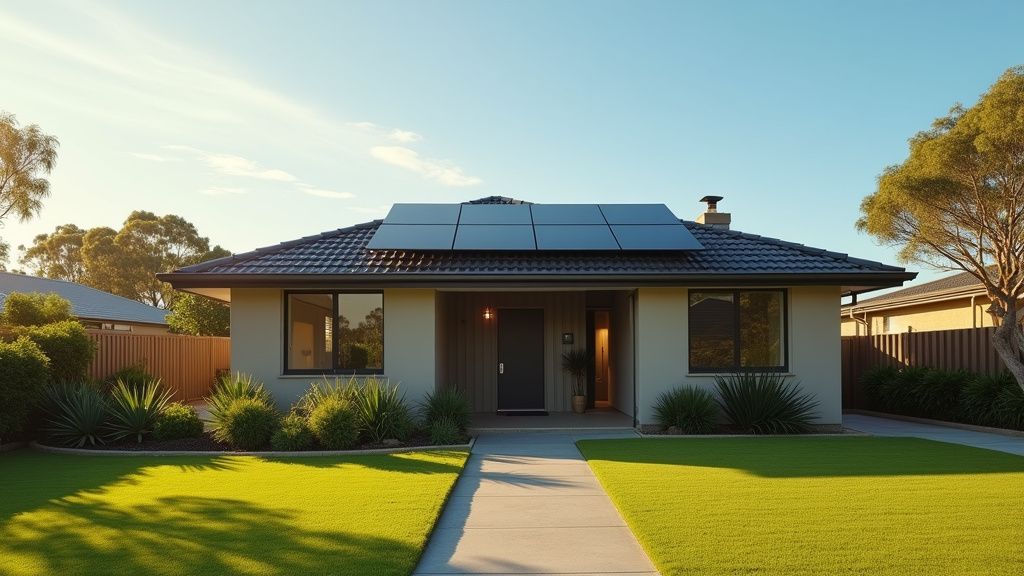
- Invest in Solar: Installing solar panels allows you to generate your own electricity, reducing your reliance on the grid and shielding you from price fluctuations.
- Improve Energy Efficiency: Simple measures like switching to LED lighting, using energy-efficient appliances, and improving insulation can significantly reduce your energy consumption.
- Shop Around: Compare electricity plans from different retailers to find the best deal for your needs. Some retailers offer fixed-rate plans that can provide greater price certainty.
- Consider Battery Storage: Pairing solar panels with battery storage allows you to store excess solar energy and use it during peak demand periods, further reducing your reliance on the grid.
Rising electricity bills are a concern for many Australian households. By understanding the underlying factors driving these increases and taking proactive steps to manage your energy consumption, you can mitigate the impact on your wallet. While the transition to a cleaner, more affordable energy future is underway, taking control of your energy usage is a crucial step in navigating the current energy landscape.
