Bracing for Impact: The End of Energy Bill Rebates and What It Means for Your Wallet
G’day, SolarInsights readers! As the sun sets on the Australian summer, a less welcome change is also upon us: the end of the Australian Government's Energy Bill Relief Fund (EBRF). While many households and small businesses have benefited from this initiative over the past year, it officially concluded on December 31, 2025. What does this mean for your power bills, and what options are available to soften the blow? Let's break it down.
A Recap of the Energy Bill Relief Fund
Introduced to alleviate the sting of rising energy costs, the EBRF provided much-needed rebates to eligible households and small businesses across the country. The initiative had two phases:
- 2024-25 Financial Year: Households could receive up to $300 in energy bill relief, while eligible small businesses were entitled to up to $325.
- July 1, 2025 - December 31, 2025: An additional $1.8 billion extension of the fund provided further rebates. Households with electricity bills could receive up to $150 in rebates, automatically applied in two $75 quarterly instalments.
For most recipients, the process was seamless. Electricity providers automatically applied the rebates to accounts, meaning minimal effort was required from consumers. Even those in embedded networks, such as apartment buildings or caravan parks, were eligible, ensuring broad coverage. Small businesses were required to meet their state or territory's definition of an electricity "small customer," determined by their annual electricity consumption, to qualify.
The Rebates Have Stopped: What Now?
With the EBRF now officially concluded, households and small businesses will no longer see these automatic rebates reflected on their electricity bills. This inevitably means a potential increase in your energy expenses, especially during peak usage periods.
So, what can you do to mitigate the impact? Here's a practical guide:
- Explore Existing State and Territory Rebate Schemes: Even though the federal program has ended, many state and territory governments offer their own energy concessions and rebates. These are often targeted at specific groups, such as pensioners, low-income households, and those with certain concession cards. Take the time to research what's available in your state or territory. A quick online search for "[Your State/Territory] energy rebates" should point you in the right direction.
- Become an Energy Efficiency Expert: This is the most sustainable long-term solution. Simple changes in your daily habits can make a significant difference. Consider the following:
- Switch to LED Lighting: Replace old incandescent bulbs with energy-efficient LEDs. They use significantly less power and last much longer.
- Manage Your Thermostat: In winter, set your thermostat a few degrees lower and wear warmer clothing. In summer, use fans instead of air conditioning where possible.
- Unplug Appliances: Many electronic devices continue to draw power even when they're turned off. Unplug chargers, TVs, and other appliances when not in use.
- Wash Clothes in Cold Water: Heating water accounts for a substantial portion of your energy bill. Washing clothes in cold water is just as effective and saves energy.
- Seal Drafts: Prevent heat loss in winter and cool air loss in summer by sealing gaps around windows and doors.
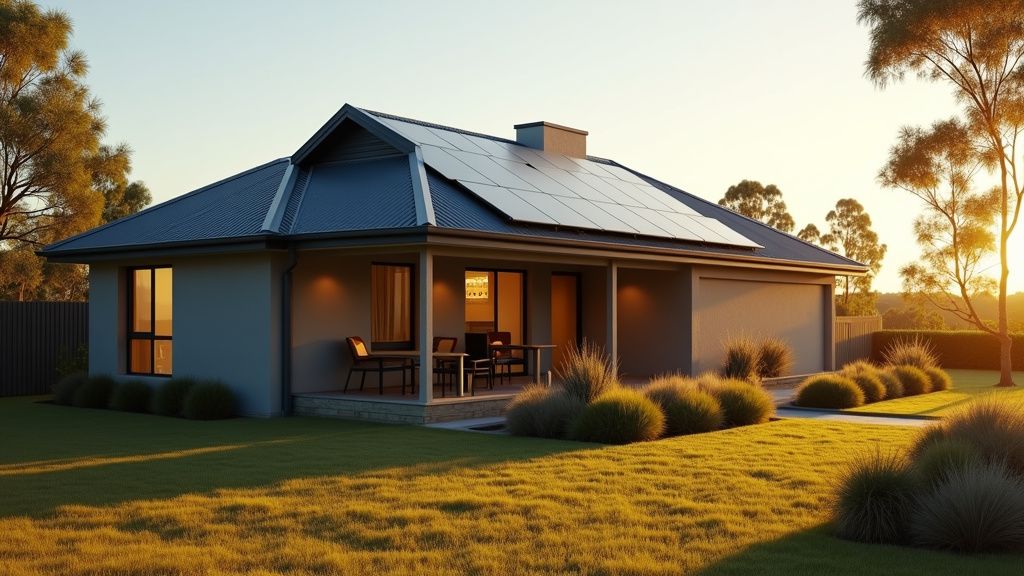
- Consider Solar Power: While the upfront investment can be daunting, solar panels can drastically reduce your reliance on grid electricity and potentially eliminate your power bills altogether. With various government incentives and financing options available, now might be the perfect time to explore solar solutions for your home or business.
- Review Your Energy Plan: Energy providers frequently offer different plans and rates. Compare plans from various providers to ensure you're getting the best deal for your needs. Look out for off-peak usage discounts or other incentives that can help you save money.
- Monitor Your Energy Consumption: Most energy providers offer online portals or apps that allow you to track your energy usage in real-time. This can help you identify areas where you're using the most energy and make adjustments accordingly.
Looking Ahead
The end of the EBRF serves as a timely reminder of the importance of energy efficiency and sustainable practices. While rebates provided temporary relief, the key to long-term savings lies in making informed choices about your energy consumption. By taking proactive steps to reduce your energy footprint, you can protect your wallet and contribute to a more sustainable future for Australia.
Stay tuned to SolarInsights for more tips, news, and insights on the Australian energy landscape. We're here to help you navigate the challenges and opportunities in the world of solar and sustainable energy.
