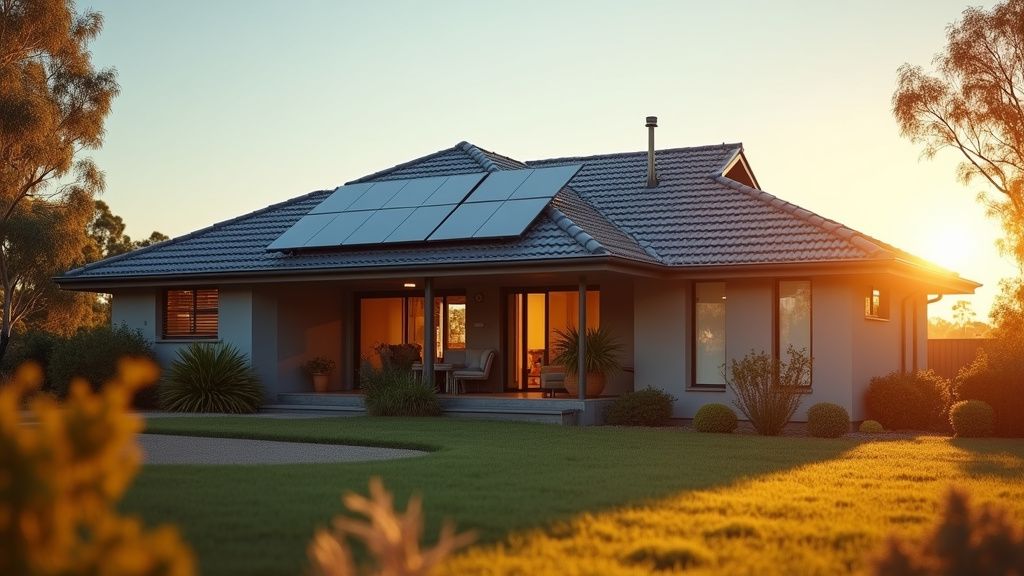
Solar Power in Winter: Separating Fact From Fiction
G'day, sun-loving Aussies! As the chill of winter settles in, you might be wondering if your solar panels are pulling their weight. It's a common question: does solar energy really work in winter, or is it just a fair-weather friend? Let's dive into the truth about solar energy production during the cooler months here in Australia, and bust a few myths along the way. If you are thinking about investing in solar, you might also find this Complete Guide helpful.
The Short Answer: Yes, Solar Panels Work in Winter, But…
Solar panels generate electricity from sunlight, not heat. That's the crucial point to remember. So, even on a frosty winter's day, your panels can still produce power. The 'but' comes into play because several factors influence winter performance compared to the balmy days of summer.
Why Winter Production Differs:
- Reduced Sunlight Hours: This is the most obvious factor. Winter days are shorter, meaning fewer hours of sunlight to convert into electricity. Southern states like Tasmania and Victoria experience significantly shorter daylight hours compared to Queensland and the Northern Territory.
- Lower Sun Angle: The sun sits lower in the sky during winter, resulting in sunlight striking your solar panels at a more oblique angle. This reduces the intensity of light hitting the panels.
- Cloud Cover: While Australia enjoys plenty of sunshine overall, winter can bring periods of increased cloud cover, further reducing solar output. Persistent cloudy days can dramatically decrease generation.
- Temperature Effects (Surprisingly Positive!): Ironically, solar panels actually perform better in cooler temperatures. High temperatures, like those experienced during an Aussie summer heatwave, can decrease panel efficiency. Winter's cooler air helps maintain optimal operating temperatures.
Debunking Common Winter Solar Myths:
- Myth: Snow Completely Stops Solar Production: While snow cover will definitely block sunlight, a light dusting is unlikely to halt production entirely. Furthermore, the dark surface of the panels often absorbs enough heat to melt the snow fairly quickly, especially in areas with even a glimpse of sunshine.
- Myth: Solar is Useless in Southern States During Winter: While production will be lower than in summer, it's far from useless. Homes in southern states can still significantly offset their electricity bills with solar, especially if coupled with battery storage.
- Myth: Winter Production is Only a Fraction of Summer Production: While production is lower, the exact difference varies greatly depending on location, panel orientation, and the specific weather patterns of that winter. Generally, you can expect a decrease of around 30-50% compared to peak summer months.
Optimising Solar Performance in Winter:
Fortunately, there are several ways to maximise your solar energy generation during winter:
- Panel Orientation and Tilt: Ideally, your panels should be oriented towards the north (in Australia) to capture the most sunlight. The optimal tilt angle varies depending on your latitude. If possible, adjust the tilt angle slightly higher in winter to better capture the lower sun. A professional installer can advise on the best angle for your location.
- Regular Cleaning: Dust, dirt, and bird droppings can significantly reduce solar panel efficiency, even in winter. Give your panels a gentle clean a couple of times during the cooler months to ensure optimal performance. If you're uncomfortable doing this yourself, hire a professional cleaning service.
- Monitor Your System: Keep a close eye on your solar system's performance through your inverter's monitoring system (or a third-party monitoring app). This allows you to quickly identify any issues that may be affecting production.
- Consider Battery Storage: Battery storage allows you to store excess solar energy generated during the day and use it at night, reducing your reliance on the grid, especially during periods of low winter production. While the initial investment is higher, it can significantly improve the return on your solar investment in the long run.
- Think About Your Energy Consumption: Winter often means increased energy usage for heating and lighting. Consider energy-efficient appliances and practices to reduce your overall consumption, maximising the impact of your solar generation.
Is Solar Still Worth It in Winter?
Absolutely. Even with reduced production, solar panels can still significantly lower your electricity bills during winter. The key is to understand the factors that influence winter performance, optimize your system, and consider battery storage for maximum self-consumption. Plus, you're still contributing to a cleaner, more sustainable energy future, which is a win-win for everyone.
Financial Incentives & Savings:
Keep in mind that you can still take advantage of government rebates and incentives when installing a solar system, which can help offset the initial cost. The exact savings will depend on your energy consumption habits, the size of your system, and your location. It is best to get a few quotes from reputable installers to fully understand your personal potential savings.
Ultimately, solar energy remains a valuable investment in Australia, even with the challenges of winter. By understanding the facts and taking steps to optimise your system, you can continue to reap the benefits of clean, renewable energy throughout the year. Happy solar-ing!
