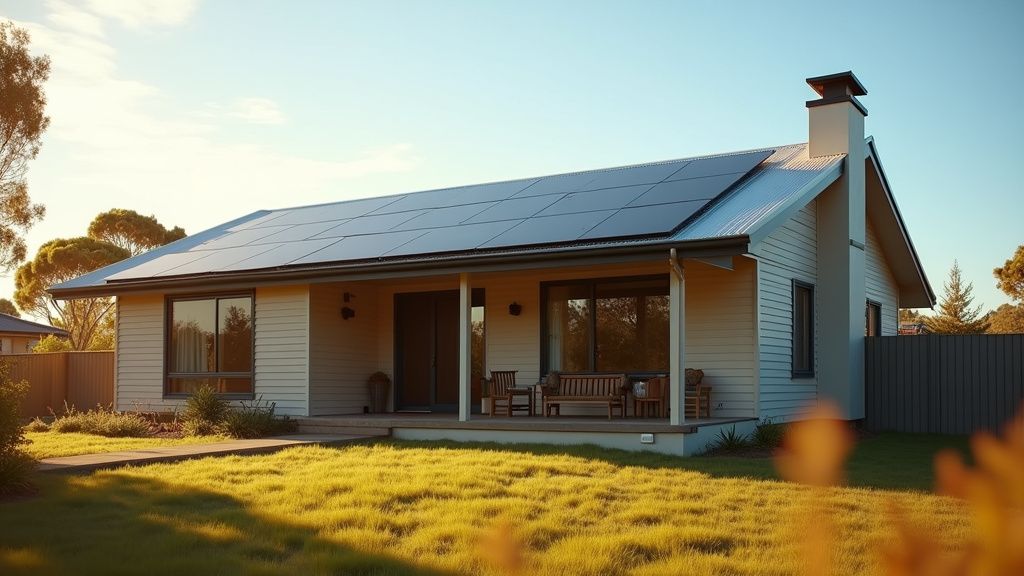
Solar in the Snow? Debunking the Myths of Solar Panels in Cold Climates
G'day, Solar Enthusiasts!
Here at SolarInsights, we often get asked the same question, especially as we head into the cooler months: “Is it even worth getting solar panels installed if I live somewhere cold?” It's a fair question. We tend to associate solar power with scorching Aussie summers, but the truth is, solar panels can still be a smart investment, even if you live in a region that sees its fair share of frost and snow. Let's break down the myths and realities to see if solar is right for you.
The Cold Hard Facts (and Sunshine!)
Many assume cold weather automatically translates to poor solar panel performance. While it's true that solar panels generate electricity from sunlight, not heat, cold temperatures can actually benefit solar panel efficiency to some extent. Here's why:
-
Cooler is Better (for a Bit): Solar panels operate more efficiently at lower temperatures. Excessive heat, which we often experience during Australian summers, can actually reduce their output. Think of it like your car engine – it runs better when it’s not overheating. Research shows that solar panel output can drop slightly in very high heat (above 25°C), so our cooler states are actually more suited for solar in some ways.
-
Sunlight Still Shines: Even on cloudy days, sunlight still reaches the panels, albeit at a reduced intensity. Modern solar panels are designed to capture diffused sunlight, meaning they still generate power even when the sun isn’t blazing.
-
Snow Isn't Necessarily the Enemy: While a thick blanket of snow covering your panels will obviously hinder energy production, a few things work in your favour. The angle of most roof-mounted solar panels, combined with even a small amount of sunlight, will typically allow the snow to slide off relatively quickly. Furthermore, the reflective properties of snow can actually increase sunlight hitting the panels, slightly boosting output after the snow melts or slides off.
Addressing the Cold Climate Concerns
Okay, so cold weather isn't a total deal-breaker, but there are still some legitimate concerns to consider:
-
Snowfall and Panel Coverage: Heavy, persistent snowfall will reduce energy generation. If your area experiences extended periods of heavy snow cover, you'll need to factor this into your ROI calculations. In these circumstances, you need to be realistic about your expected energy generation during the winter months.
-
Ice and Panel Damage: While solar panels are generally durable, extreme ice build-up can potentially cause damage. Choose panels specifically designed and tested for cold-weather conditions. Ensure your installer has experience working in colder climates and understands the importance of proper panel mounting and snow-shedding design.
-
Shorter Daylight Hours: This is perhaps the most significant factor. Winter days are shorter, meaning fewer hours of sunlight to generate electricity. Again, this needs to be factored into your energy needs and system sizing. You might need a larger system to offset your energy consumption, or you might simply see a reduced savings during the winter months.
Making Solar Work in the Cold: Key Considerations
If you're considering solar in a colder climate, here's what you should do:
-
Choose the Right Panels: Look for panels with high efficiency ratings and positive temperature coefficients. The temperature coefficient indicates how much the panel's performance decreases as the temperature increases. A lower (more negative) temperature coefficient is preferable. Also, research panels known for their durability and resistance to extreme weather.
-
Optimal Tilt and Orientation: In Australia, solar panels are typically angled towards the north to maximise sunlight capture. However, in colder regions with heavy snowfall, a steeper tilt angle might be beneficial to encourage snow to slide off more easily. Consult with your installer to determine the optimal angle for your specific location.
-
Professional Installation is Key: Don't DIY this one! A qualified and experienced solar installer is crucial. They'll be able to assess your roof, advise on the best panel placement, and ensure the system is installed correctly to withstand the elements. They'll also be able to advise on snow-shedding strategies.
-
Consider Battery Storage: If you want to be truly energy independent and reduce your reliance on the grid, consider adding battery storage to your solar system. This will allow you to store excess energy generated during sunny periods and use it when the sun isn't shining, particularly useful during the shorter winter days.
The Bottom Line: Is it Worth It?
The answer, as always, is: it depends! It depends on your location, the amount of sunlight you receive, your energy consumption, and your overall financial goals.
To determine if solar is a worthwhile investment for you, get quotes from reputable solar installers in your area. Ask them to conduct a site assessment and provide a detailed proposal that includes:
- Estimated energy production based on your location's weather data.
- System cost and potential savings.
- Warranty information.
By doing your research and working with qualified professionals, you can make an informed decision about whether solar is right for you, even in the coldest corners of Australia. And remember, contributing to a cleaner future is always a worthwhile investment!
