Powering the Future, Responsibly: Your Role in Solar Panel Recycling
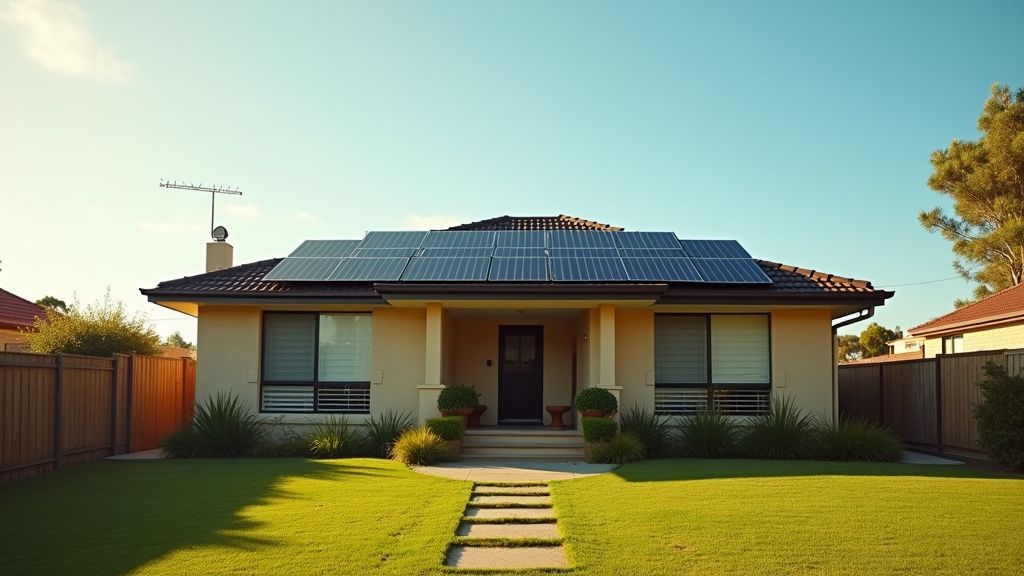
Australia is basking in the solar revolution, with rooftops across the nation adorned with photovoltaic (PV) panels. But what happens when these panels reach the end of their lifespan? As more and more systems age, understanding the role of households in solar panel recycling becomes increasingly crucial.
The good news is that solar panels are highly recyclable, comprised of around 95% valuable materials such as aluminium, glass, silicon, copper, and even small amounts of silver. These materials can be recovered and repurposed, reducing our reliance on virgin resources and minimizing landfill waste. For a Complete Guide, follow the link to our longer article.
The Lifecycle of a Solar Panel and the Recycling Imperative
Typically, solar panels have a lifespan of 25 to 30 years. Over time, they naturally degrade and lose efficiency, prompting homeowners to consider upgrades or replacements. This creates a growing stream of end-of-life panels that require responsible management.
Instead of sending these panels to landfill, recycling offers a sustainable alternative. Recovered materials can be used in various industries, including:
- Aluminium: The aluminium frame can be easily recycled and reused in new products.
- Glass: The glass can be repurposed, sometimes finding a new life in asphalt or other building materials.
- Silicon: Although more complex, silicon recovery is becoming increasingly viable, allowing its reuse in new solar panels or other applications.
- Copper and other metals: These metals can be extracted and refined for use in manufacturing.
Recycling not only conserves valuable resources but also reduces the energy required to produce new materials from raw resources.
Your Role: What Can You Do?
As a homeowner with solar panels, you play a vital role in ensuring responsible recycling practices. Here’s what you can do:
- Plan Ahead: When you install your solar system, consider the future disposal options. Keep records of your panel specifications and warranty information.
- Choose Reputable Installers: Select installers who are aware of end-of-life management options and committed to responsible disposal practices. Ask them about their recycling policies.
- Don't Dump It! Never dispose of solar panels in your household garbage or at a general waste facility. This can lead to environmental damage and loss of valuable materials.
- Look for Accredited Recycling Programs: Australia is developing national programs, and take-back schemes for solar panel recycling. Research your local and state options for accredited recyclers who specialise in solar panel processing.
- Consider Retailer Take-Back Programs: Check if your solar panel retailer or installer offers a take-back program for end-of-life panels. Some companies are taking responsibility for the products they sell.
- Explore Community Programs: Keep an eye out for community-based recycling initiatives or collection events in your area.
- Ask Questions: Don't hesitate to contact your local council or environmental authorities for information on solar panel recycling options in your region.
- Understand the Costs: Recycling solar panels may involve a fee, as the process requires specialised equipment and handling. However, the cost is often justified by the environmental benefits and resource recovery.
- Check Warranties and Guarantees: Review documentation for existing guarantees and warranties which may assist with replacement or upgrade options.
- Support Industry Initiatives: Advocate for policies and programs that promote solar panel recycling and the development of a circular economy.
The Future of Solar Panel Recycling in Australia
The clean energy industry is actively working to improve waste management, recycling, and decommissioning of renewable energy projects. As the volume of end-of-life panels increases, innovation in recycling technologies and infrastructure is crucial. This includes:
- Developing more efficient and cost-effective recycling processes.
- Creating a robust supply chain for recovered materials.
- Establishing clear regulations and standards for solar panel recycling.
- Encouraging the use of recycled materials in new solar panels and other products.
Project owners are generally responsible for decommissioning old clean energy projects, and contracts often stipulate responsible rehabilitation of the project site. Financial assurances for decommissioning are generally put aside a few years before the project reaches its end-of-life, guaranteeing funds for proper recycling.
By embracing responsible recycling practices, we can ensure that solar energy remains a truly sustainable solution, powering Australia's future while minimizing its environmental impact. By taking simple steps, like finding an accredited recycler, households can play an important role in ensuring a bright, sustainable future.
