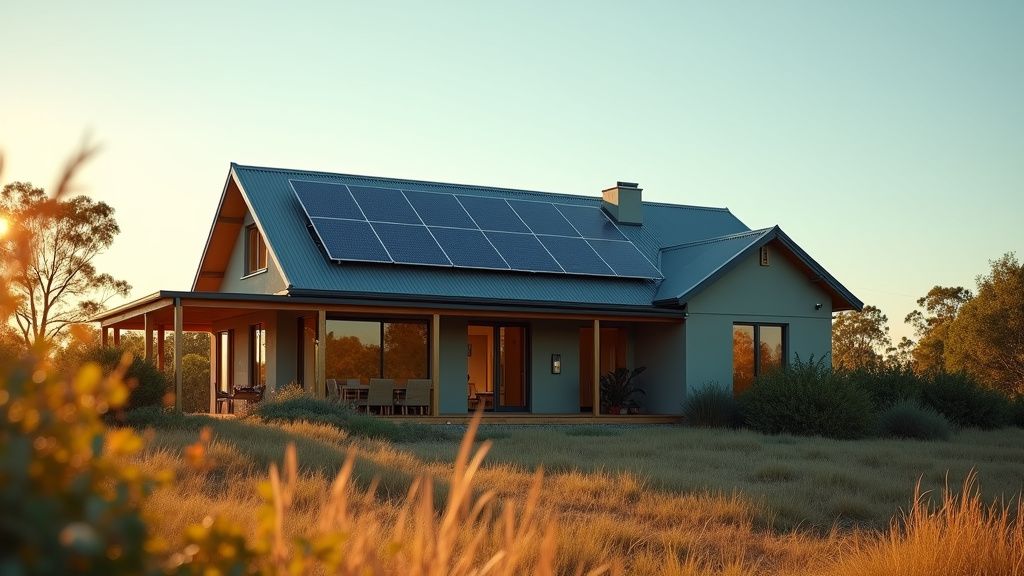
Shining a Light on Solar Panel Recycling and Reuse in Australia
As Australia continues its rapid transition towards renewable energy, the question of what happens to solar panels at the end of their lifespan becomes increasingly important. We're installing solar at a record pace, which is fantastic for reducing our carbon footprint and household energy bills. However, we need to be proactive about managing the waste stream this creates. So, what's the deal with solar panel recycling and reuse in Australia, and are we doing enough?
The End-of-Life Challenge: A Growing Concern
Solar panels, or photovoltaic (PV) panels, typically have a lifespan of 25 to 30 years. Over time, they naturally degrade and lose efficiency. Given the surge in solar installations over the past decade, we're approaching a point where a significant number of panels will need to be decommissioned and replaced. This presents both a challenge and an opportunity. Without proper management, these discarded panels could end up in landfills, posing environmental risks and wasting valuable resources.
Recycling Potential: A Treasure Trove of Materials
The good news is that solar panels are largely recyclable. In fact, around 95% of a typical solar panel can be recovered and reused! The primary components include:
- Aluminium: Used in the frame, this is readily recyclable and a valuable commodity.
- Glass: The front surface of the panel, can be recycled and potentially repurposed into asphalt or other building materials.
- Silicon: The semiconductor material that converts sunlight into electricity. Recovering silicon is more complex but achievable.
- Copper: Used in wiring and electrical components.
- Silver, Indium, Germanium: These are considered "critical materials" and are used in smaller quantities but are highly valuable.
Recycling these materials not only reduces landfill waste but also lowers our reliance on mining new raw materials. This is particularly important given increasing global competition for resources essential to the renewable energy transition.
The Current State of Play in Australia: Room for Improvement
While the potential for solar panel recycling is clear, the infrastructure and processes in Australia are still developing. Currently, there isn't a widespread, nationally coordinated system for collecting, processing, and recycling end-of-life solar panels.
Some initiatives are underway:
- Pilot Programs: Several companies and research institutions are exploring innovative recycling technologies and business models.
- Product Stewardship Schemes: Industry-led initiatives are emerging to encourage responsible disposal and recycling practices.
- Government Support: Some state and federal government funding is available for research and development in the recycling sector.
However, significant challenges remain:
- Cost: Recycling solar panels can be expensive, especially when compared to simply sending them to landfill.
- Logistics: Transporting panels from rooftops and solar farms to recycling facilities can be complex and costly.
- Awareness: Many consumers and installers are unaware of the available recycling options.
- Regulation: Consistent national regulations are needed to ensure responsible end-of-life management of solar panels.
Reuse and Repurposing: Extending Panel Lifecycles
Beyond recycling, there's also potential for reusing and repurposing solar panels. Even if a panel is no longer efficient enough for rooftop solar, it may still be suitable for lower-power applications such as powering garden lights, sheds, or other off-grid systems.
What Can You Do?
As consumers, we can play a vital role in promoting responsible solar panel disposal. Here are some steps you can take:
- Choose Reputable Installers: Select installers who have take-back programs.
- Ask About Recycling Options: When replacing your solar panels, inquire about recycling options and costs.
- Support Product Stewardship Schemes: Look for brands and installers that participate in responsible recycling programs.
- Advocate for Change: Contact your local representatives and urge them to support policies that promote solar panel recycling.
Looking Ahead: A Circular Economy for Solar
The future of solar panel management in Australia should embrace a circular economy approach. This means designing panels for recyclability, establishing efficient collection and processing systems, and creating markets for recycled materials.
By investing in research, infrastructure, and responsible practices, we can ensure that solar energy remains a truly sustainable and environmentally friendly source of power for generations to come. We must view end-of-life solar panels not as waste, but as a valuable resource waiting to be unlocked. This requires collaboration between industry, government, and consumers to build a comprehensive and effective solar panel recycling ecosystem in Australia.
