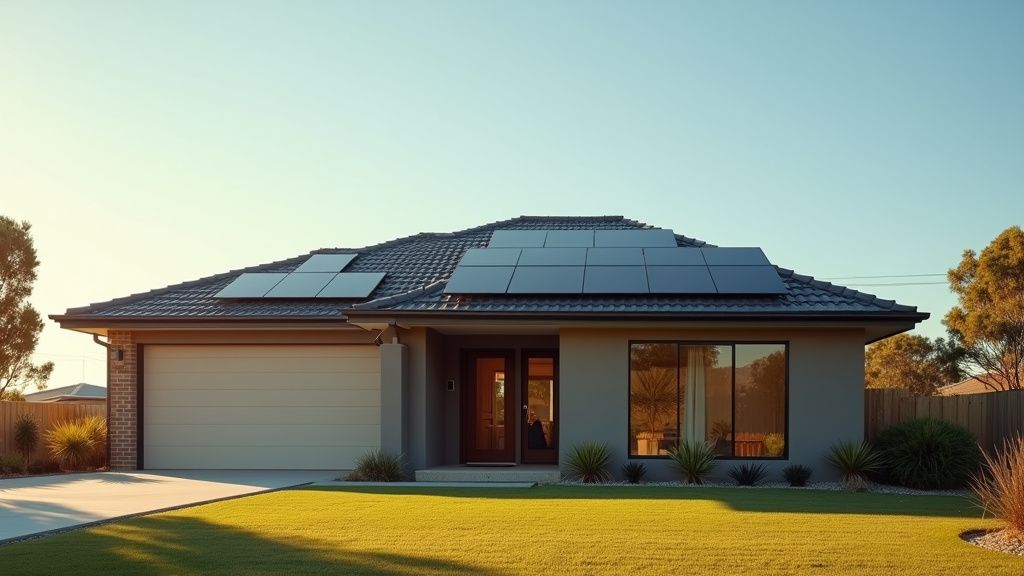
The Environmental Impact of Solar Battery Storage: Is it Really Green?
Solar power is booming in Australia. Rooftops across the country are adorned with panels, harnessing the sun's energy and reducing our reliance on fossil fuels. But what about storing that energy? Solar battery storage is becoming increasingly popular, promising greater energy independence and further reductions in carbon emissions. But before we all rush out to buy a battery, it's crucial to examine the environmental impact of these systems beyond just their use in our homes.
Thinking about investing in solar battery storage? Get clued up with our Complete Guide
The Good News: Reducing Our Carbon Footprint
The primary benefit of solar battery storage is, undoubtedly, its potential to dramatically reduce our reliance on fossil fuels. By storing excess solar energy generated during the day, homeowners can use that power at night or during periods of low sunlight. This reduces the need to draw electricity from the grid, which in Australia, still relies heavily on coal-fired power plants.
Battery storage also contributes to grid stability. By providing backup power and peak shaving capabilities (reducing demand during peak hours), batteries can help reduce the strain on the grid and prevent blackouts, leading to less need for expensive and polluting "peaker" power plants to come online.
So, in terms of energy generation and usage, solar battery storage offers a significant environmental advantage. But that's only part of the story.
The Manufacturing Process: A Closer Look
The environmental impact of solar battery storage extends beyond its operational phase. The manufacturing process itself can be resource-intensive and potentially polluting.
The batteries are made using valuable materials, which require mining and processing. While the specific materials vary depending on the battery type (lithium-ion being the most common), they often include lithium, cobalt, nickel, and other rare earth elements. The extraction of these materials can have significant environmental consequences, including habitat destruction, water pollution, and carbon emissions.
Furthermore, the manufacturing process itself requires energy and can generate waste products. While manufacturers are increasingly adopting sustainable practices, it's essential to acknowledge that producing solar batteries does have an environmental footprint.
The Question of Recycling: End-of-Life Management
What happens to solar batteries when they reach the end of their lifespan? This is a crucial question, as the improper disposal of batteries can lead to environmental contamination.
Fortunately, the recycling of solar batteries is becoming increasingly viable. While the technology is still developing, effective recycling processes are emerging to recover valuable materials like lithium, cobalt, and nickel from end-of-life batteries.
In Australia, there is a growing emphasis on establishing robust recycling infrastructure for solar batteries. This includes developing collection programs, investing in recycling facilities, and implementing regulations to ensure responsible disposal.
While not all components of a solar panel can currently be recycled onshore, up to 17% can be managed within Australia. The aluminium frame and junction box are commonly recycled, and other components can be sent overseas for processing.
The vast majority – around 95% – of a solar panel is constructed from recyclable materials. These materials include glass, aluminium, silicon, silver, copper, indium, and germanium. The challenge lies in efficiently and cost-effectively separating and recovering these materials.
It's important to remember that solar panel waste is significantly less toxic than the waste produced by fossil fuels, such as coal ash and oily sludge. In fact, the world generates the same amount of coal ash in just one month as the projected amount of solar panel waste to be produced over the next 35 years.
Addressing Concerns and Moving Forward
The environmental impact of solar battery storage is complex and multifaceted. While the technology offers significant benefits in terms of reducing carbon emissions and promoting energy independence, it's crucial to address the challenges associated with manufacturing and end-of-life management.
Here are some key areas to focus on:
- Sustainable Manufacturing: Encouraging manufacturers to adopt sustainable practices, such as using recycled materials, reducing energy consumption, and minimising waste.
- Responsible Sourcing: Promoting responsible sourcing of raw materials, ensuring that mining operations adhere to strict environmental and social standards.
- Improved Recycling Infrastructure: Investing in robust recycling infrastructure to ensure that end-of-life batteries are properly processed and valuable materials are recovered.
- Extended Lifespan: Focusing on research and development to extend the lifespan of solar batteries, reducing the frequency of replacement and minimising waste.
- Lead-Free Solders: Manufacturers are increasingly moving to adopt lead-free solders to address potential environmental concerns related to trace amounts of lead in the solder used to join the panels together.
By addressing these challenges, we can ensure that solar battery storage truly lives up to its promise of being a clean and sustainable energy solution for Australia. As consumers, we can also play our part by choosing reputable brands committed to sustainability and supporting initiatives that promote responsible recycling practices.
The future of energy is undeniably renewable, and with careful consideration and responsible practices, solar battery storage can play a crucial role in building a greener and more sustainable Australia.
