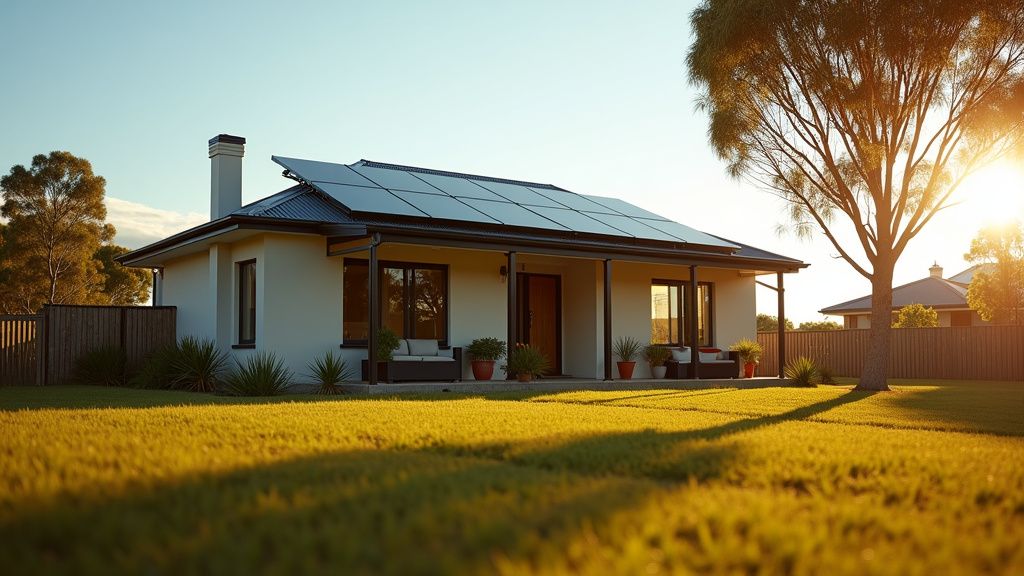
Solar Power Post-Rebates: Maximizing Self-Consumption in Australia
The landscape of solar power in Australia is constantly evolving. With the phasing out of generous solar rebates across many states, the key to unlocking significant savings and a worthwhile return on your solar investment now lies in maximizing self-consumption. This means using as much of the solar energy your panels generate as possible, instead of sending it back to the grid.
Why is Self-Consumption so Important Now?
For years, Australians have benefited from feed-in tariffs (FiTs), where energy retailers paid homeowners for excess solar energy exported back to the grid. However, these tariffs have been steadily declining. While you might have once received a reasonable payment for your excess solar, current FiTs often offer only a fraction of what you pay to buy electricity from the grid.
Consider this: you might be paying between 20 to 50 cents per kilowatt-hour (kWh) for electricity, but only receiving around 6 to 12 cents per kWh for exported solar. Clearly, every unit of solar energy you use directly in your home is far more valuable than selling it back to the grid.
Understanding Self-Consumption
Self-consumption refers to the percentage of solar energy produced by your system that you use directly within your home, instead of exporting it. When your solar panels generate electricity, it first powers your appliances and devices. Any surplus energy is then sent back to the grid (unless you have a battery). The goal is to increase the amount of solar energy used within your home and decrease the amount you need to buy from your energy provider.
Strategies for Maximizing Self-Consumption
So, how can you boost your solar self-consumption and slash those electricity bills? Here are some effective strategies:
-
Shift Your Energy Usage: This is often the simplest and most cost-effective approach. Identify which appliances consume the most energy and try to operate them during daylight hours when your solar panels are generating power.
- Timers: Use timers for appliances like washing machines, dishwashers, and pool pumps to run during peak solar production (typically between 9 am and 3 pm).
- Habit Changes: Make a conscious effort to use appliances like ovens, dryers, and air conditioners during the day.
-
Solar Batteries: A solar battery allows you to store excess solar energy generated during the day and use it later, especially during evenings when solar production is low. While battery storage represents a significant upfront investment (ranging from $8,000 to $15,000+ depending on size and features), it can drastically increase your self-consumption and provide backup power during blackouts. Beyond bill savings, batteries are becoming increasingly valuable for participation in virtual power plants, potentially providing another revenue stream.
-
Home Energy Management Systems (HEMS): A HEMS offers sophisticated monitoring and control over your home's energy usage. These systems provide detailed insights into appliance-level energy consumption and allow for remote management. Some HEMS can even dynamically adjust appliance operation based on real-time solar production, automatically diverting excess solar to hot water systems or air conditioners.
-
Right-Sized Solar System: If you're yet to install solar panels, ensuring you choose the correct system size is critical. Oversizing your system might seem appealing, but it could lead to excessive energy export and a lower return on investment. Consult with reputable solar installers who can analyze your energy bills and recommend a system that aligns with your household's energy needs, taking into account potential future changes like electric vehicle charging.
Monitoring Your Solar Performance
Most solar systems come with a monitoring portal that allows you to track your energy production and consumption in real-time. Use this data to identify periods of high solar production and adjust your energy usage accordingly.
The Bottom Line
In a post-rebate environment, maximizing solar self-consumption is paramount for achieving the best financial return from your solar investment. By strategically shifting your energy usage, considering battery storage, investing in a HEMS, and ensuring you have the right-sized solar system, you can significantly reduce your reliance on the grid, lower your electricity bills, and contribute to a more sustainable future for Australia. Remember to carefully weigh the costs and benefits of each strategy to determine the best approach for your individual needs and circumstances.
