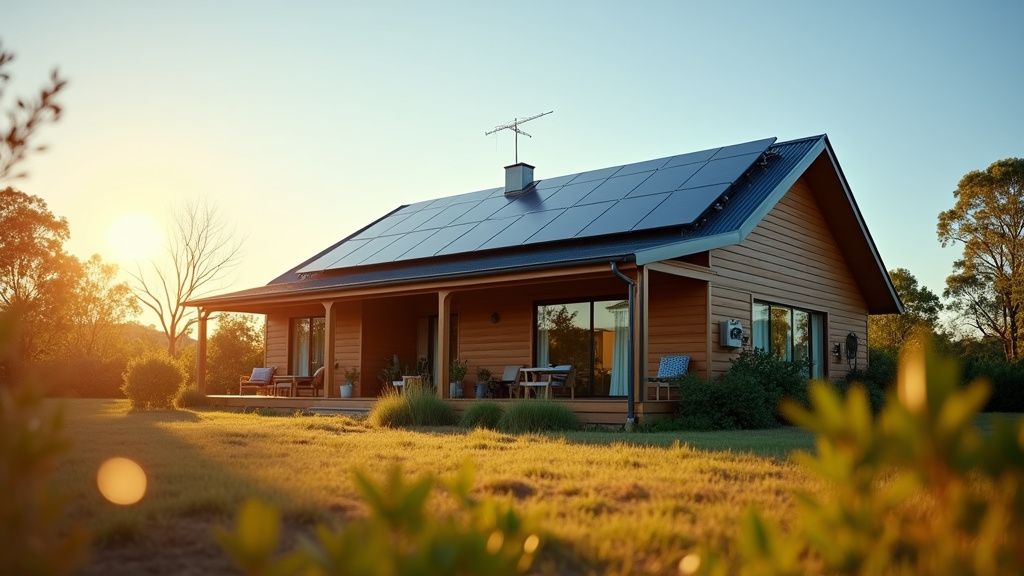
Solar Power and Battery Storage: Your Guide to Energy Self-Sufficiency in Australia
Thinking about taking control of your electricity bills and reducing your carbon footprint? Then solar power coupled with battery storage might be the perfect solution for your Australian home. This combination offers a pathway to greater energy self-sufficiency, allowing you to generate, store, and use your own clean energy. Let's explore the ins and outs of this increasingly popular option.
For a more in-depth look, be sure to check out our Complete Guide for detailed information on solar and battery storage in Australia.
Why Consider Solar and Battery Storage?
Australia is blessed with abundant sunshine, making solar power a natural fit. By installing solar panels on your roof, you can generate electricity during daylight hours. But what happens when the sun goes down, or on cloudy days? That's where battery storage comes in.
A battery system stores the excess solar energy generated during the day, allowing you to use it later when your solar panels aren't producing enough, like in the evenings or during peak demand periods. This significantly reduces your reliance on the grid, leading to lower electricity bills and greater energy independence.
Beyond the financial benefits, embracing solar and battery storage is a powerful way to contribute to a more sustainable future, reducing our collective dependence on fossil fuels.
How Does it Work?
A typical solar and battery storage system works like this:
- Solar Panels: Sunlight hits your solar panels, converting it into direct current (DC) electricity.
- Inverter: An inverter converts the DC electricity into alternating current (AC) electricity, which is what your home appliances use.
- Battery: Excess electricity that isn't immediately used in your home is directed to the battery for storage.
- Smart Controller: A smart controller manages the flow of electricity between the solar panels, battery, grid, and your home, optimizing energy usage and maximizing savings.
- Grid Connection (Optional): If your battery is depleted, or your energy needs exceed your solar and battery capacity, you can draw electricity from the grid. Conversely, if your system generates more electricity than you need, you can often sell the excess back to the grid (feed-in tariff).
What to Consider When Choosing a System:
Choosing the right solar and battery system for your home involves several factors:
- Energy Consumption: Analyze your current electricity usage. Review your past electricity bills to understand your average daily and peak consumption patterns. This will help determine the appropriate size of your solar panel array and battery storage capacity.
- Roof Space and Orientation: Consider the available roof space and its orientation (north-facing is generally best in Australia). Obstructions like trees or chimneys can impact solar panel efficiency.
- Budget: Solar and battery systems involve a significant upfront investment. Research different system options, compare quotes, and factor in potential government rebates and incentives.
- Battery Capacity: Battery capacity is measured in kilowatt-hours (kWh). Choose a capacity that aligns with your energy needs and usage patterns. Consider how much energy you typically use at night or during periods of low solar production.
- Warranty and Performance Guarantees: Check the warranty terms for both the solar panels and the battery system. Ensure the installer provides performance guarantees to protect your investment.
- Installer Reputation and Accreditation: Choose a reputable and accredited solar installer with experience in designing and installing battery storage systems. Check online reviews and ask for references.
Government Support and Incentives:
The Australian government is committed to supporting the adoption of renewable energy technologies, including solar and battery storage.
The Australian Government is introducing the Cheaper Home Batteries Program from 1 July 2025. This program will provide a discount of around 30% on eligible small-scale battery systems connected to new or existing rooftop solar, helping to reduce the upfront cost of battery storage for households and businesses. The discount will be provided through solar and battery retailers and installers.
It's always a good idea to check with your state or territory government for any additional rebates or incentives that may be available.
The Future of Energy is Here
Investing in solar power and battery storage is a significant step towards energy self-sufficiency and a more sustainable future. By carefully considering your needs and choosing the right system, you can take control of your energy bills, reduce your carbon footprint, and contribute to a cleaner environment. With ongoing technological advancements and government support, solar and battery storage are becoming increasingly accessible and affordable for Australian homeowners.
