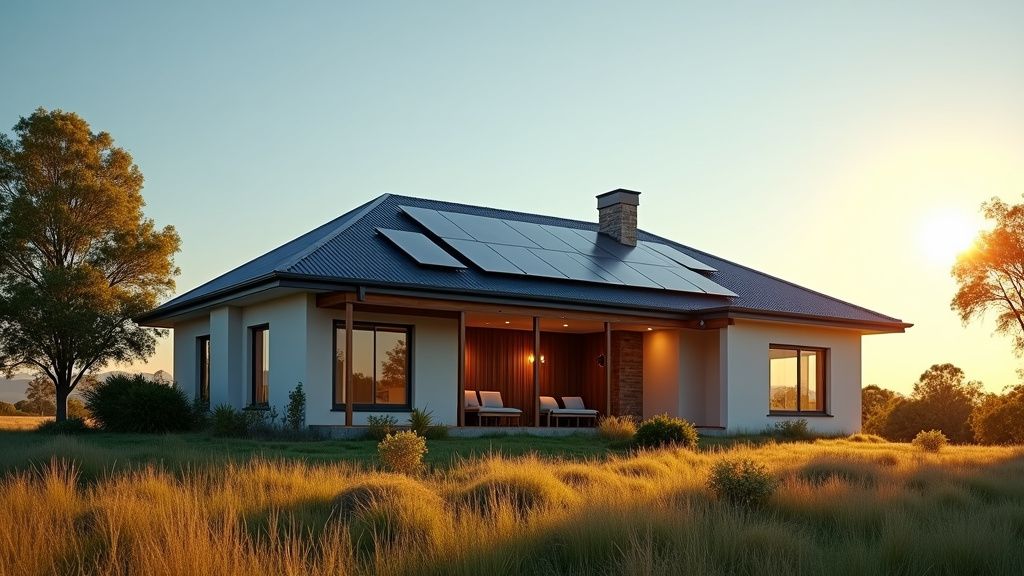
Solar Panel Orientation: North vs North-East Facing for Optimal Energy Production in Australia
Choosing the right orientation for your solar panels is a crucial decision when investing in solar power for your home. While maximising feed-in tariffs used to be the primary goal, the landscape has shifted. Now, the focus is on self-consumption – using the solar energy you generate within your home to minimise reliance on the grid and slash your electricity bills. For a deeper dive, read this Complete Guide.
But what’s the best direction for your panels in Australia? Let's explore the pros and cons of North versus North-East facing orientations.
The Reigning Champion: North-Facing Solar Panels
Generally speaking, a north-facing orientation is considered the gold standard in Australia for solar panel placement. Why? Because it allows your panels to capture the most sunlight throughout the day. These panels generate the highest total electricity output compared to other orientations.
Ideal for:
- Homebodies: If someone is typically at home during the day, North-facing panels allow them to directly use the power as it's generated. They can run appliances like washing machines, dryers, pool pumps, and air conditioners using clean, self-generated energy. This significantly reduces the need to draw power from the grid, leading to substantial savings.
- Maximum Energy Production: If the primary goal is to generate the highest possible amount of solar energy, whether for self-consumption or feeding back into the grid (even with lower tariffs), North is the way to go.
The Contender: North-East Facing Solar Panels
A north-east orientation offers a slightly different profile. These panels generate a bit less total electricity than their north-facing counterparts (around 5% less, according to industry estimates). However, they shift the energy production curve slightly towards the morning.
Ideal for:
- Early Risers: If household electricity consumption is higher in the morning – perhaps using electric heating on chilly winter mornings or running energy-intensive appliances before leaving for work – north-east panels can better match this demand. They will start generating power earlier in the day, helping offset morning grid usage.
- Smoothing Energy Production: Combining north-east facing panels with west or north-west facing panels can create a more consistent energy output throughout the day. This can be beneficial even if someone is home during the day.
Why Self-Consumption Matters
Before diving further, let's reinforce the importance of self-consumption. Electricity retailers typically pay a small feed-in tariff (FiT) for excess solar energy sent back to the grid. While helpful, this FiT is usually significantly less than the cost of purchasing electricity from the grid. Therefore, using your own solar power directly is far more economical.
The "Fill the Roof" Philosophy
With solar panel prices considerably lower than they used to be, a growing school of thought promotes filling your roof with as much solar capacity as reasonably possible, irrespective of orientation. This is especially relevant if the household is planning for future energy needs like home batteries or electric vehicles (EVs). This strategy future-proofs the home against rising electricity costs and provides ample clean energy for future technologies.
Making the Right Choice for Your Home
Ultimately, the optimal solar panel orientation depends on the specific energy consumption patterns and lifestyle. Here's a summary:
- North: Highest overall energy production, best for daytime usage.
- North-East: Slightly lower overall production, better for morning usage.
- East/West Split: More consistent energy production throughout the day.
Other Factors to Consider
Beyond orientation, other factors can impact solar panel performance:
- Roof Pitch: The angle of your roof affects the amount of sunlight the panels capture.
- Shading: Trees, buildings, or other obstructions can cast shadows on your panels, reducing output.
- Panel Quality: Higher-quality panels generally produce more electricity and last longer.
- Inverter Size: Ensure your inverter is appropriately sized for your solar array.
Conclusion
While North remains the top choice for maximising energy production, North-East orientation can be a viable alternative depending on energy usage patterns. If budget allows, consider filling the roof to maximise overall solar generation. Consulting with a qualified solar installer is crucial to assess your individual needs and determine the best orientation and system size for your home. They can evaluate roof pitch, shading issues, and energy consumption habits to recommend the most cost-effective solution. Remember, the goal is to maximize self-consumption and minimise reliance on the grid, saving money and reducing your carbon footprint.
