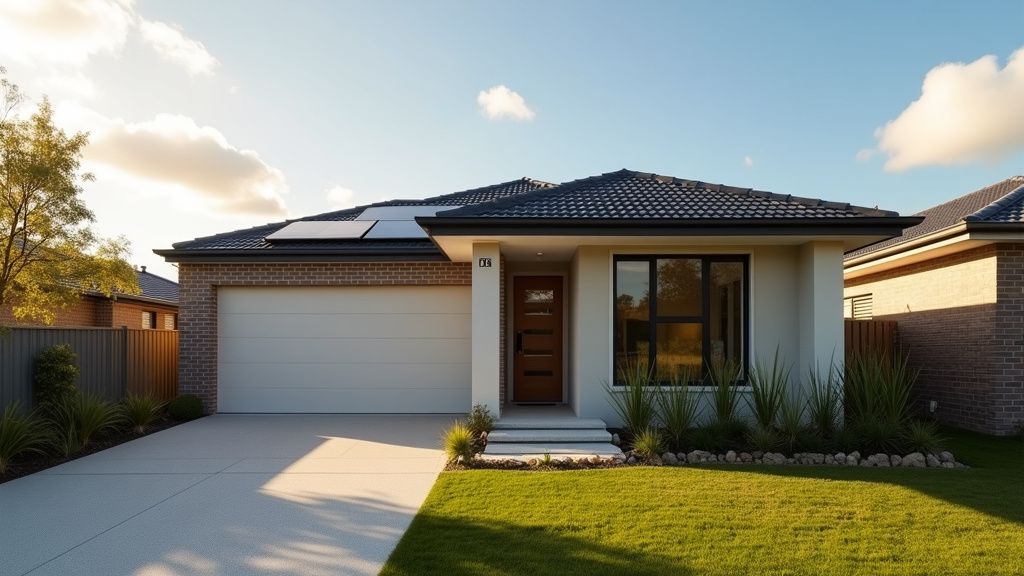
Powering Your Aussie Home: Sizing the SigenStor Battery and Sigenergy Inverter for Optimal Performance
Thinking about going solar and adding battery storage to your electric home? You're making a smart move! Harnessing the power of the sun can dramatically reduce your energy bills and contribute to a more sustainable future. But choosing the right equipment and, crucially, sizing it correctly is essential to maximise your investment. This blog post will guide you through sizing your SigenStor battery and Sigenergy inverter for optimal performance in your Australian home.
Before we dive in, be sure to check out our Complete Guide for a more in-depth look at sizing solar PV, battery storage, and EV charging systems.
Why Correct Sizing Matters
Imagine buying shoes that are either too big or too small – uncomfortable and inefficient, right? The same principle applies to solar inverters and batteries. Undersizing can limit your system's ability to capture and store solar energy, leaving you reliant on the grid when you could be self-sufficient. Oversizing, on the other hand, can lead to unnecessary upfront costs and potential inefficiencies.
Understanding the SigenStor Battery and Sigenergy Inverter
The SigenStor battery and Sigenergy inverter are designed to work seamlessly together, offering a comprehensive energy storage and management solution. The inverter converts the DC electricity generated by your solar panels into AC electricity for your home. The SigenStor battery stores excess solar energy for use during periods of low sunlight or at night, allowing you to minimise your reliance on the grid.
Key Considerations for Sizing
Several factors influence the optimal sizing of your SigenStor battery and Sigenergy inverter:
- Your Energy Consumption: This is the most crucial factor. Analyse your electricity bills over the past year to determine your average daily and peak energy usage. Pay attention to seasonal variations, as your energy needs may be higher during summer (air conditioning) or winter (heating).
- Your Solar Panel Array Size: The size of your solar panel array directly impacts the amount of energy your system generates. The inverter needs to be appropriately sized to handle the maximum output of your solar panels.
- Your Desired Level of Self-Sufficiency: Do you want to be completely independent from the grid, or are you aiming for partial self-sufficiency? A larger battery will provide greater energy independence but will also come at a higher cost.
- Export Limits: Many Australian regions have regulations on the amount of solar energy you can export back to the grid. Your inverter needs to be compatible with these export limits, and it might be better to store excess power instead.
- Future Energy Needs: Consider any potential increases in your energy consumption, such as adding an electric vehicle (EV) or installing a pool. It's wise to future-proof your system by sizing your battery and inverter to accommodate these potential needs.
Inverter Sizing: The Panel-to-Inverter Ratio
A key concept in inverter sizing is the panel-to-inverter ratio, also known as the DC-to-AC ratio. It's common practice to "oversize" the solar array slightly relative to the inverter. For example, a 6.6kW solar system might be paired with a 5kW inverter. This means the solar panels can generate up to 6.6kW of power, but the inverter can only convert a maximum of 5kW to AC power at any one time.
Why oversize? This strategy can improve overall system efficiency, particularly during periods of less-than-ideal sunlight, such as cloudy days or early mornings and late afternoons. However, it's crucial to stay within recommended ratio limits, typically between 1.1 and 1.3. Exceeding these limits can lead to clipping (where the inverter can't handle the full output of the panels) and potentially void warranties or impact eligibility for government rebates and incentives.
SigenStor Battery Sizing
The size of your SigenStor battery will determine how much excess solar energy you can store and how long you can run your home on battery power. A smaller battery might be sufficient to cover your overnight energy needs, while a larger battery can provide backup power during grid outages or allow you to maximise self-consumption and minimise grid reliance.
To determine the optimal battery size, consider:
- Your Overnight Energy Consumption: How much electricity do you typically use overnight?
- Your Peak Demand: What is the maximum amount of power your home uses at any given time? The battery needs to be able to meet this peak demand.
- Frequency of Grid Outages: If you live in an area prone to power outages, a larger battery can provide longer backup power.
Professional Advice is Key
Sizing a solar battery and inverter system is a complex task that requires careful consideration of your individual energy needs and circumstances. It's highly recommended to consult with a qualified solar installer who can assess your home, analyse your energy consumption, and recommend the optimal system size for your needs. They can also ensure that your system meets all relevant Australian standards and regulations.
Advanced Safety Features of Sigenergy Inverters
Sigenergy inverters are equipped with advanced safety features, including DC ground-fault protection and Arc Fault Circuit Interrupter (AFCI), providing unparalleled protection against electrical hazards. They also boast an IP66 certification, ensuring resistance to dust, high humidity, and heavy rainfall, making them a reliable choice for the diverse Australian climate.
Conclusion
Choosing the right size SigenStor battery and Sigenergy inverter is crucial for maximizing the efficiency and performance of your solar energy system. By carefully considering your energy needs, desired level of self-sufficiency, and regional export limits, you can make an informed decision and unlock the full potential of solar power for your Australian home. Remember to seek professional advice to ensure your system is properly sized and installed, providing you with years of reliable and sustainable energy.
