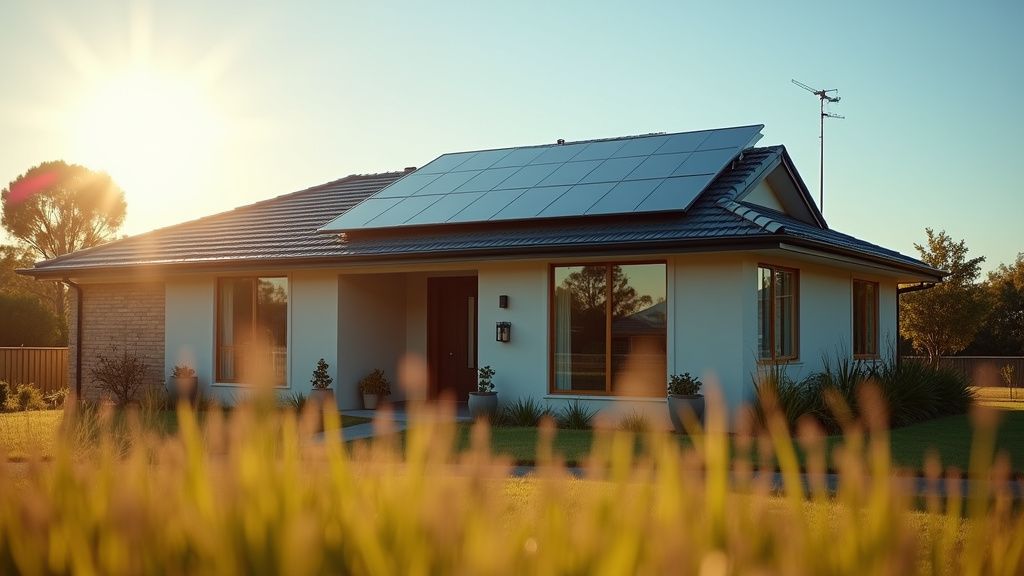
Battling the Bill Shock: Preparing for Higher Winter Electricity Costs Without Rebates
Winter in Australia can be a beautiful time, but it also brings the dreaded spike in electricity bills. And with potential changes to rebates on the horizon, it's more important than ever to get smart about energy consumption. This blog post will equip you with practical strategies to keep warm and comfortable this winter without breaking the bank. For a comprehensive understanding of the changing rebate landscape, check out our Complete Guide.
The key to managing winter energy bills is understanding where your energy is going and making simple adjustments to your daily habits. Here’s how you can prepare:
1. Layer Up and Think Smart About Heating:
Before you even think about touching the thermostat, reach for a jumper! Layering clothing is a simple yet effective way to stay warm without relying solely on electricity. Consider investing in warmer blankets, rugs, and even a good old-fashioned hot water bottle.
When it comes to heating, remember that heating the entire house is often unnecessary and costly. Focus on heating the rooms you're actively using, and close doors to unused areas like spare bedrooms or bathrooms during the day. A simple "door snake" or draft stopper can prevent precious warm air from escaping under doors and keep chilly drafts at bay.
2. Heating Habits That Save Dollars:
Regular maintenance of your heating appliances is crucial for optimal performance. Clean your heaters regularly, paying attention to filters, fan blades, and vents, following the manufacturer's instructions. A clean heater operates more efficiently, saving you money in the long run.
Keep your thermostat set between 18°C and 20°C. Each degree increase can add a significant percentage – often between 5% and 10% – to your energy bill. Use a programmable thermostat to schedule heating only when you need it, such as mornings and evenings. Turn it off overnight and when you're away from home.
Don't forget the humble ceiling fan! If you have a reversible ceiling fan, switch it to the winter setting. This will gently push warm air that rises to the ceiling back down into the room, helping to distribute heat more evenly and reduce the strain on your heater.
3. The Phantom Load: Unplug to Save:
Many appliances continue to draw power even when switched off – a phenomenon known as "phantom load" or "standby power." This can account for a surprising portion of your total energy consumption, sometimes as much as 3%. Make it a habit to turn off appliances at the power point when not in use, including TVs, computers, game consoles, and even phone chargers. It's a small effort that can lead to significant savings over time.
4. Harness the Sun and Manage Water Heating:
Make the most of natural sunlight during the day by opening curtains and blinds. The sun's warmth can help heat your home for free. Remember to close them before it gets dark to insulate against the cold.
Heating water is a major energy guzzler, often accounting for over 20% of your household energy use. Resist the urge to take long, hot showers just to warm up. Aim for shorter showers – around 4 minutes – and consider installing a water-saving showerhead.
5. Rethink Laundry Habits:
Clothes dryers are convenient, but they're also energy-intensive. Whenever possible, opt for air-drying your clothes. Take advantage of sunny days by hanging clothes on a clothesline or using a clothes rack outdoors. If the weather isn't cooperating, you can dry clothes indoors, especially when the heater is already running.
6. Shop Around for a Better Deal:
Don't assume you're getting the best possible electricity rate from your current provider. Government websites offer price comparison tools that allow you to easily compare electricity and gas offers from different retailers. Contact your current provider to ask if they have a better deal available. Switching to a more competitive plan can result in substantial savings.
7. Reduce Food Waste, Reduce Energy Waste:
While seemingly unrelated, reducing food waste can indirectly lower your energy consumption. In Australia, a significant portion of the food we buy ends up in landfills, where it decomposes and produces methane, a potent greenhouse gas. By reducing food waste, you're contributing to a more sustainable environment and potentially lowering your energy bills by reducing the need to purchase replacement groceries.
Taking Action:
Preparing for higher winter electricity bills without rebates requires a proactive approach. By implementing these tips, you can significantly reduce your energy consumption, lower your bills, and stay warm and comfortable throughout the winter months. Remember to regularly review your energy usage and adjust your habits as needed. Every little bit helps!
