SolarInsights: Navigating the Post-Rebate Reality – Lowering Your Electricity Bill After Subsidies
With the sunsetting of many electricity bill rebates across Australia, households are feeling the pinch more than ever. While these subsidies offered welcome relief, it's crucial to adopt long-term strategies for managing your energy consumption and reducing your bills. Don't despair! There are plenty of ways to take control and minimise your energy expenses, even without the rebates.
First, it’s important to be aware of the impact. Complete Guide
This SolarInsights post will arm you with practical advice, from understanding your energy bill to embracing solar solutions.
1. Decode Your Bill: Knowledge is Power
The first step to cutting costs is understanding where your money goes. Your electricity bill isn't just a number; it's a detailed report of your energy habits. Break it down and identify your peak usage times and the appliances consuming the most power.
- Fixed vs. Variable Charges: Bills typically include a fixed daily charge (covering connection costs) and a variable charge (based on your actual energy usage). Knowing the difference is key.
- Time-of-Use Tariffs: Some plans offer different rates depending on the time of day (peak, shoulder, off-peak). Shifting energy-intensive activities like laundry or dishwashing to off-peak hours can save you significant money.
- Compare Previous Bills: Comparing your current bill to the same period last year can reveal seasonal usage patterns. Is your winter consumption significantly higher due to heating? Understanding these trends helps pinpoint areas for improvement.
Contact your energy retailer if anything on your bill is unclear – they are obligated to explain the charges.
2. Identify Energy Hotspots: Where is Your Power Going?
Once you understand your bill, it's time to identify energy-guzzling culprits in your home.
- Appliances: Old refrigerators, inefficient washing machines, and electric heaters are notorious energy hogs. Consider replacing older appliances with energy-efficient models, looking for a high energy star rating.
- Standby Power: Many devices continue to draw power even when switched off. Unplug chargers, TVs, and other electronics when not in use or use a power strip with a master switch to cut off power easily.
- Lighting: Switching to LED lighting is one of the easiest and most cost-effective ways to reduce energy consumption. LEDs use significantly less energy than traditional incandescent or halogen bulbs and last much longer.
- Heating and Cooling: These are major energy consumers. Ensure your home is properly insulated to minimise heat loss in winter and heat gain in summer. Consider using fans instead of air conditioning when possible.
3. Embrace Energy-Efficient Habits: Small Changes, Big Savings
Adopting simple energy-efficient habits can make a significant difference to your bills over time.
- Shorter Showers: Reducing your shower time can save water and energy, especially if you have an electric hot water system.
- Wash Clothes in Cold Water: Most laundry detergents work effectively in cold water, saving energy on heating.
- Air Dry Clothes: Avoid using the dryer whenever possible. Let your clothes air dry naturally.
- Cook Efficiently: Use the microwave or stovetop instead of the oven for smaller meals. Make sure your oven door seals properly to prevent heat loss.
4. Solar Power: A Long-Term Investment
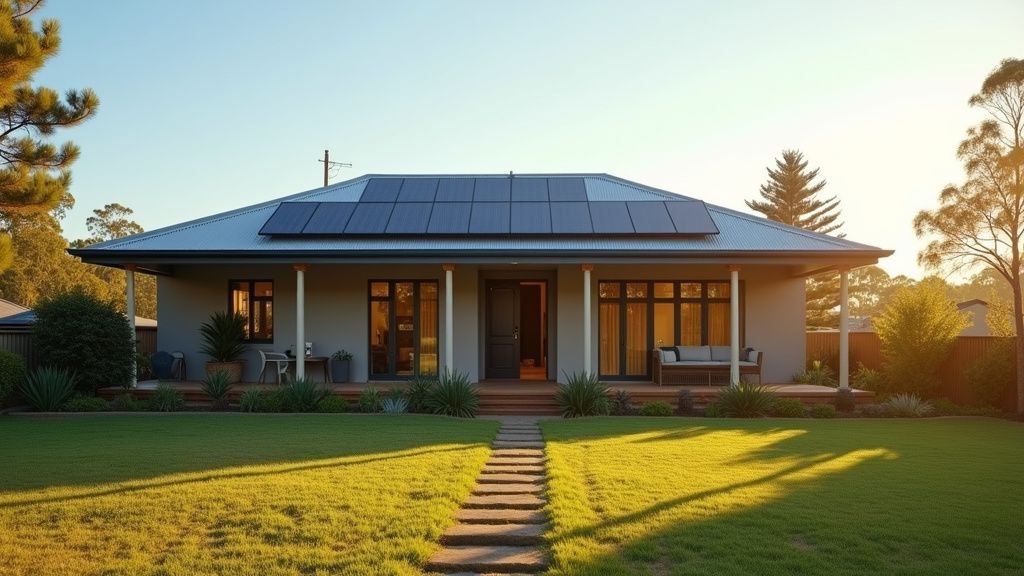
Investing in solar panels is a fantastic way to reduce your reliance on the grid and slash your electricity bills. While the upfront cost can be significant, the long-term savings and environmental benefits are substantial.
- Solar PV Systems: Generate your own electricity from the sun, reducing your dependence on the grid. Excess energy can be fed back into the grid for a credit on your bill.
- Battery Storage: Store excess solar energy for use at night or during peak demand periods, maximising your self-consumption and further reducing your reliance on the grid.
5. Shop Around: Compare Energy Retailers
Don't stick with the same energy retailer out of habit. Compare plans from different retailers to find the best deal for your household. Websites can help you compare plans and find the most competitive rates in your area. Pay attention to both the fixed daily charge and the variable usage rates.
6. Home Improvements for Energy Efficiency
If you're planning renovations or building a new home, consider incorporating energy-efficient design principles.
- Insulation: Proper insulation in walls, ceilings, and floors can significantly reduce heating and cooling costs.
- Double-Glazed Windows: Reduce heat transfer and improve energy efficiency.
- Passive Solar Design: Orient your home to maximise sunlight in winter and minimise it in summer.
Taking Control of Your Energy Future
While the absence of rebates may seem daunting, it also presents an opportunity to become more proactive about managing your energy consumption. By understanding your energy usage, adopting energy-efficient habits, and considering solar solutions, you can take control of your electricity bills and create a more sustainable future. With a little effort and planning, you can navigate the post-rebate reality and save money while reducing your environmental impact.
