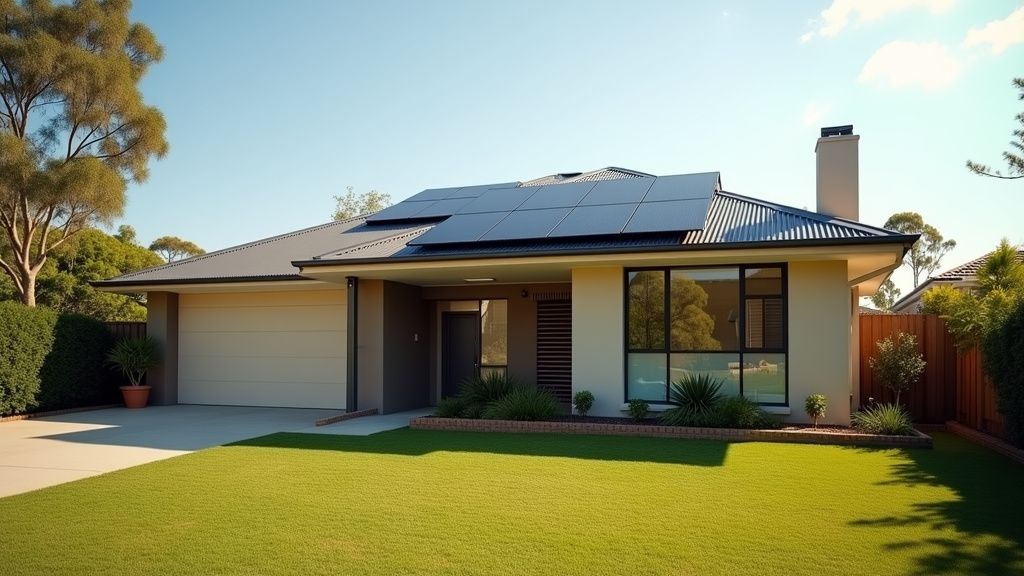
Maximizing Solar Savings: Tips for Australian Homeowners in 2026
G’day, sun-savvy Aussies! As we head into 2026, solar power continues to be a shining beacon of hope for reducing energy bills and embracing a greener future. But simply installing panels isn't enough. To truly squeeze every last drop of value from your solar investment, you need a strategic approach. This guide is your roadmap to maximising solar savings in the current Australian landscape. For a more comprehensive dive into the economics, see our Complete Guide.
1. Size Matters (But So Does Usage!): Getting Your System Right
In 2026, the temptation might be to install the biggest system you can afford. However, optimal sizing is crucial. Gone are the days of blindly throwing up panels. A correctly sized system will drastically improve your ROI.
-
Assess Your Energy Consumption: Don’t just guess! Review your past energy bills for at least a year to understand your actual energy usage patterns. Pay close attention to peak usage times. Are you blasting the air-con during summer afternoons? Or perhaps running heavy appliances at night? This information is gold.
-
Factor in Future Needs: Are you planning to add an electric vehicle (EV)? Considering a pool? Think about potential future energy demands to avoid needing to upgrade your system prematurely.
-
Consider Feed-in Tariffs: Feed-in tariffs (FiTs), the amount you get paid for exporting excess solar energy back to the grid, vary significantly across states and territories. Research the current FiT rates in your area. Sometimes, maximizing self-consumption is more financially advantageous than chasing high export volumes, depending on the tariff offered.
2. Battery Storage: The Game Changer (Maybe)
Battery technology has matured considerably, but it's still a significant investment. In 2026, batteries offer a compelling opportunity to further reduce your reliance on the grid and store excess solar power for use during peak demand periods or evening hours.
-
Evaluate Your Self-Consumption: If you use a lot of electricity during the day when your solar panels are generating power, you might not need a battery. However, if your peak consumption occurs at night, a battery can be a game-changer, allowing you to use your stored solar energy instead of buying it from the grid at higher rates.
-
Understand Battery Capacity and Lifespan: Batteries have a limited lifespan and a specific storage capacity. Carefully consider your needs and choose a battery with sufficient capacity to meet your evening and overnight energy demands. Also, factor in the battery's warranty and expected lifespan when calculating its overall cost.
-
Explore Government Incentives: Many state governments continue to offer rebates and incentives for battery installations. Check what's available in your region to potentially lower the upfront cost.
3. Smart Energy Management: Control is Key
Solar panels generate power when the sun shines, but effective energy management allows you to control when and how that power is used.
-
Time-of-Use Tariffs: If your energy provider offers time-of-use tariffs (where electricity prices vary depending on the time of day), strategically shift your energy consumption to off-peak hours. For example, run your washing machine and dishwasher during the day when your solar panels are generating power or during off-peak hours if you have a battery.
-
Smart Appliances: Consider investing in smart appliances that can be programmed to operate during periods of peak solar production. Smart air conditioners, hot water systems, and even EV chargers can be controlled remotely to maximize self-consumption.
-
Energy Monitoring Systems: Install an energy monitoring system to track your solar production, consumption, and grid usage in real-time. This data will provide valuable insights into your energy patterns and help you identify areas where you can further optimize your energy usage. There are many apps/software options now with historical usage stats.
4. Maintenance Matters: Keep Your System Humming
Like any investment, your solar system requires regular maintenance to ensure optimal performance.
-
Panel Cleaning: Dust, dirt, and debris can significantly reduce the efficiency of your solar panels. Schedule regular cleaning, especially in dusty or coastal areas. You can clean them yourself (carefully!) or hire a professional cleaning service.
-
Regular Inspections: Have your system inspected annually by a qualified solar technician. They can identify any potential issues, such as damaged panels, loose wiring, or inverter problems, before they escalate into major repairs.
-
Inverter Health: The inverter is the heart of your solar system. Monitor its performance and check for any error messages or unusual behavior. Inverters typically have a shorter lifespan than solar panels, so be prepared to replace it eventually.
5. Staying Informed: The Ever-Changing Landscape
The solar industry is constantly evolving, with new technologies, regulations, and incentives emerging regularly.
-
Follow Industry News: Stay up-to-date on the latest developments in the solar industry by following reputable sources like SolarInsights (that's us!). This will help you make informed decisions about your solar investment.
-
Review Your Energy Plan: Regularly review your energy plan to ensure you're getting the best possible rates and feed-in tariffs. Don't be afraid to shop around and compare offers from different energy providers.
By following these tips, Australian homeowners can maximize their solar savings and contribute to a cleaner, more sustainable energy future in 2026. It’s not just about reducing your bills, it’s about investing in a brighter tomorrow. Good luck, and happy sun-soaking!
