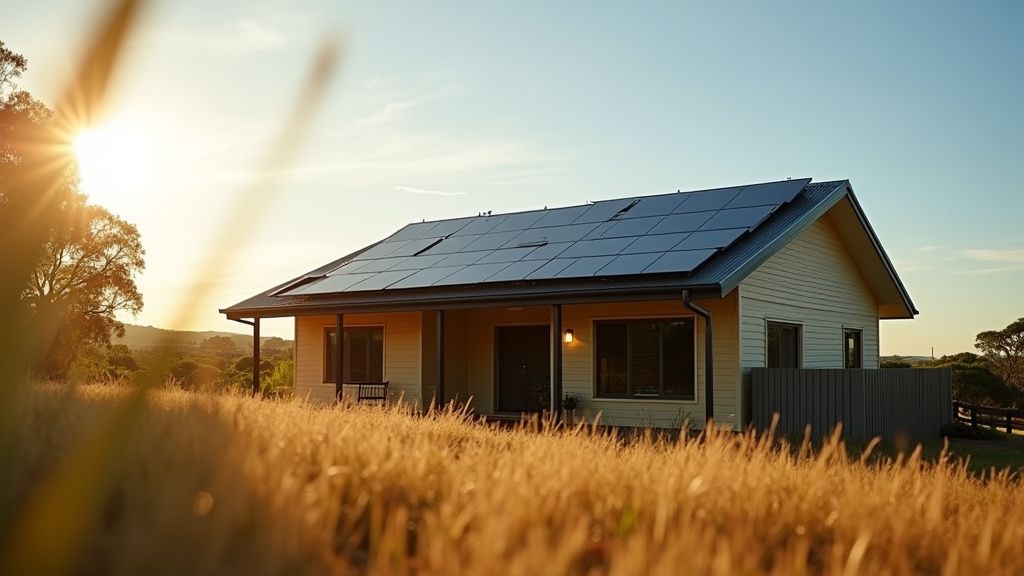
Solar Power in Australia: Still a Smart Investment in 2026?
G'day, solar enthusiasts! It's your friendly neighbourhood journalist from SolarInsights, here to break down a question I'm asked all the time: is investing in solar panels still worth it here in Australia as we head into 2026?
The short answer? Absolutely.
But let's dive deeper. Australia has wholeheartedly embraced solar energy. The transformation has been nothing short of remarkable. Back when I started following this industry, there were relatively few solar systems connected to the grid. Fast forward to now, and rooftop solar systems can be found all over the country.
Australia's Solar Revolution: By the Numbers
The numbers speak for themselves. As of late 2025, over 4.6 million rooftop solar systems were already installed across the nation. To put that into perspective, that’s more solar panels than people in Australia! That's a whopping 27.8 gigawatts of electricity generation capacity being harnessed by everyday Aussies.
And the best part? This trend isn't slowing down. In fact, you can expect solar installations to continue at a cracking pace throughout 2026.
Why is Solar Still a Winner in 2026?
Several factors contribute to the ongoing appeal of solar power for Australian homes:
- Slashing Electricity Bills: This is the big one. With electricity prices continuing to rise, generating your own power is a fantastic way to take control of your household budget and minimise those scary quarterly bills.
- Government Incentives: While the specific details may vary depending on your state or territory, the good news is that solar rebates are still available, making the initial investment more affordable. Keep an eye out for potential battery rebates too, which can further enhance your energy independence.
- Feed-in Tariffs: Okay, let's be honest, feed-in tariffs (the amount you get paid for exporting excess solar energy back to the grid) aren't as generous as they used to be. However, they still provide some financial benefit and help offset your overall electricity costs.
- Affordable Technology: The cost of solar panels has come down significantly over the years, making solar power accessible to a wider range of households. This improved affordability, combined with government incentives, makes for a compelling financial case.
- Rapid Payback: For homes with suitable roof space and a quality solar installation, the payback period on a solar system is often surprisingly short. Depending on your electricity consumption and the size of your system, you could recoup your initial investment in just a few years.
- Environmental Benefits: Of course, it's not just about saving money. Solar power is a clean, renewable energy source that helps reduce your carbon footprint and contribute to a more sustainable future for Australia.
Is Solar Right For You?
While solar power offers significant benefits, it's important to consider your individual circumstances before making a decision. Here are a few key questions to ask yourself:
- Roof Suitability: Is your roof oriented in a way that receives sufficient sunlight? Are there any obstructions (like trees or other buildings) that might block sunlight?
- Energy Consumption: How much electricity do you use on a daily basis? Understanding your energy consumption will help you determine the appropriate size of solar system for your needs.
- Budget: How much are you willing to invest in a solar system? Keep in mind that you may be able to finance your purchase or take advantage of government incentives to reduce the upfront cost.
Getting Started: Your Next Steps
If you're considering going solar, here's what I recommend:
- Do Your Research: Learn about different solar panel brands, inverter types, and installation options. Knowledge is power!
- Get Quotes: Obtain quotes from reputable solar installers in your area. Compare prices, warranties, and customer reviews to find the best fit for your needs.
- Check State and Territory Incentives: Investigate the solar rebates and incentives available in your state or territory.
- Consider a Battery: If you want to maximise your energy independence and further reduce your reliance on the grid, consider adding a battery to your solar system.
The Bottom Line
In 2026, solar power remains a wise investment for Australian homeowners looking to save money on electricity bills, reduce their environmental impact, and take control of their energy future. With ongoing government incentives, affordable technology, and a commitment to sustainability, the solar revolution is here to stay.
So, what are you waiting for? Start exploring your solar options today!
