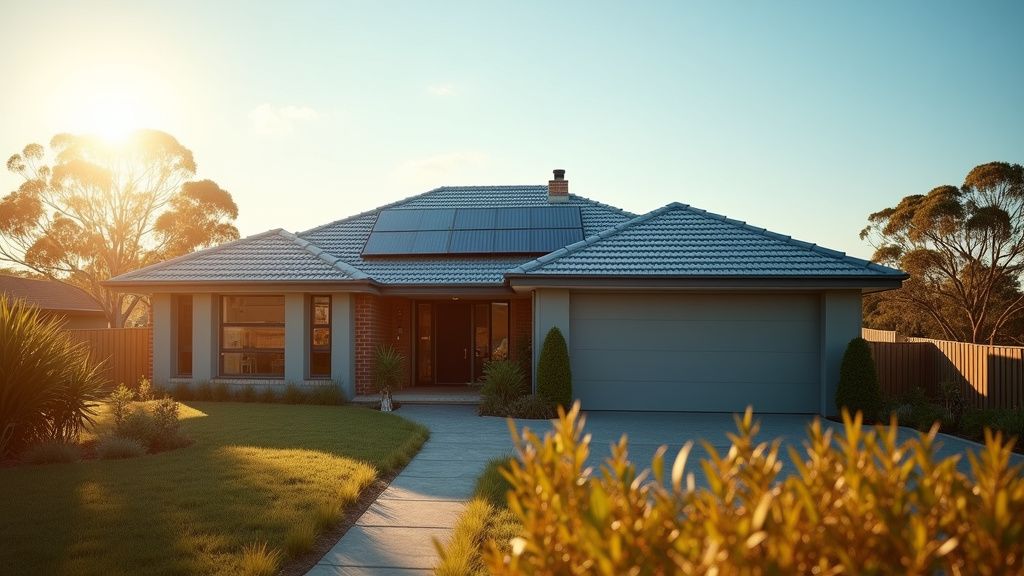
Solar Power in Winter: Maximising Your System's Output Down Under
The days are shorter, the clouds are thicker, and the heating is cranked up – it’s winter in Australia! For many solar panel owners, this season can bring about a few questions about the effectiveness of their investment. Does solar really work in winter? How can I make sure I'm getting the most out of my system when the sun seems to be perpetually hiding? This blog post will give you some insight.
Firstly, let’s address the big question: yes, solar panels absolutely still work during winter! It's important to remember that solar panels convert sunlight into electricity, not heat. So even on a cold, clear winter day, your panels are busy generating power.
However, it's also true that winter solar generation is typically lower than in summer. This is primarily due to shorter days, less intense sunlight, and increased cloud cover. But don’t despair! There are plenty of steps you can take to maximise your solar performance throughout the cooler months.
1. Understanding Your System and Energy Needs
Before diving into optimisation strategies, it’s crucial to understand your solar system's capabilities and your household’s energy consumption patterns. Consider how much energy your system typically generates in summer versus winter. This will help you understand the seasonal variation and allow you to better manage your energy usage.
Also, think about what appliances and devices are contributing the most to your winter energy bills. Is it primarily heating? Electric blankets? Knowing this will allow you to target your energy-saving efforts more effectively.
2. Maximise Sunlight Exposure
- Keep Your Panels Clean: Dust, dirt, leaves, and even bird droppings can significantly reduce your panels' efficiency. A clean panel absorbs more sunlight, so make sure to clean your solar panels regularly. In many parts of Australia, the rain will help with this but it's worth checking them regularly.
- Trim Overhanging Trees: Shade is the enemy of solar panel performance. If you have trees casting shadows on your panels, consider trimming them back, especially during the winter months when the sun is lower in the sky.
- Check for Obstructions: Regularly inspect your panels for any new obstructions, such as antennas or satellite dishes, that might be casting shadows.
3. Shift Your Energy Usage
One of the most effective ways to maximise your solar savings is to shift your energy usage to coincide with peak solar production hours. Even on cloudy winter days, there are still periods of sunlight. Here's how to make the most of them:
- Run Appliances During the Day: Schedule energy-intensive tasks like laundry, dishwashing, and vacuuming for the middle of the day when your solar panels are generating the most power.
- Pre-heat Your Home: If you have a smart thermostat or programmable heating system, set it to pre-heat your home during the sunniest part of the day.
- Charge Devices During Daylight Hours: Charge your phones, laptops, and other electronic devices during the day to reduce your reliance on grid electricity in the evenings.
4. Battery Storage: An Investment Worth Considering
Solar battery storage allows you to store excess solar energy generated during the day and use it later, when the sun isn't shining. This is particularly beneficial in winter, when solar production is lower and energy demand is higher in the evenings. While the initial investment can be significant (typically ranging from $8,000 - $15,000 depending on the size and type of battery), a battery system can drastically reduce your reliance on grid electricity and further increase your savings.
5. Embrace Energy Efficiency
Reducing your overall energy consumption is always a good idea, but it’s especially important during winter. Here are a few simple tips:
- Improve Insulation: Ensure your home is well-insulated to minimise heat loss. Seal any drafts around windows and doors.
- Use Energy-Efficient Lighting: Switch to LED lighting throughout your home. LEDs use significantly less energy than traditional incandescent bulbs.
- Dress Warmly: Wear warmer clothing indoors so you can turn down the thermostat.
- Consider a Smart Meter: Smart meters provide detailed information about your energy usage, allowing you to identify areas where you can save energy.
Real-Life Savings
Many Australian households are already enjoying significant savings from solar, even in winter. For example, a family in Victoria with a 4.5kW system saw their system generate as much as 18 kWh on sunny winter days, helping to keep heating costs down. They maximised their savings by switching to an all-electric home and running their heat pump and other appliances during the day when solar power was available.
Government Incentives
Remember to check for any available government rebates or incentives for solar panel installation or battery storage. These incentives can help reduce the upfront cost of switching to solar.
Conclusion
Don't let the winter blues dampen your solar spirit! By understanding your system, optimising sunlight exposure, shifting your energy usage, and embracing energy efficiency, you can maximise your solar performance and continue to enjoy significant savings on your electricity bills throughout the year. Even in the depths of winter, your solar panels can be a valuable asset, helping you reduce your carbon footprint and save money.
