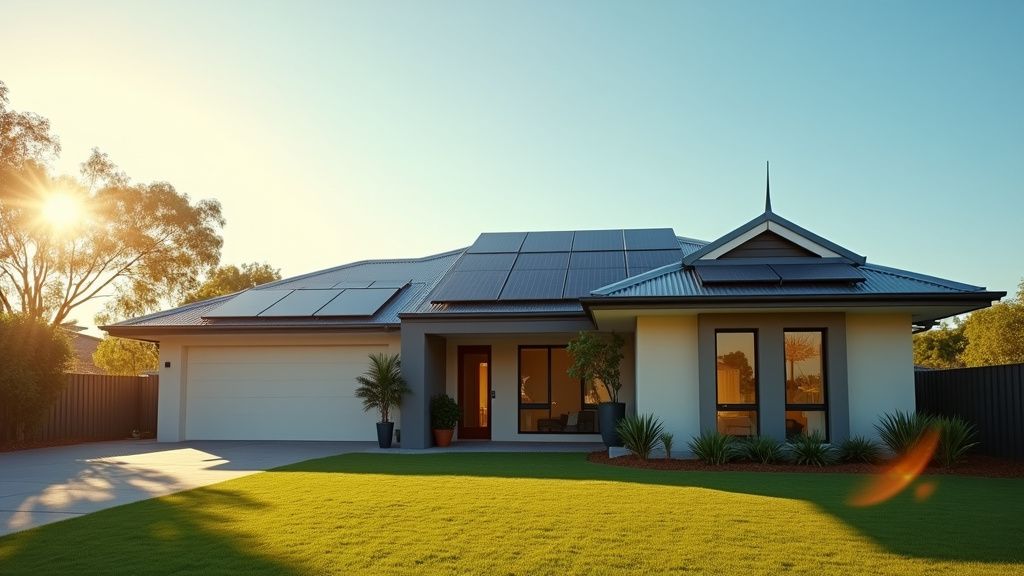
SolarInsights: Sizing Up Your Solar Savings - Battery vs. Panel Power in Australia
Thinking about going solar? Good on you! It's a fantastic way to slash your electricity bills, reduce your carbon footprint, and increase your energy independence. But navigating the world of solar panels and batteries can feel overwhelming. One of the most common questions we get at SolarInsights is: "What's more important, a bigger solar panel system or a bigger battery?"
It's not a simple either/or. The ideal setup depends on your individual energy needs and usage patterns. Let's break down the key considerations to help you maximise your solar energy use. For a more in-depth look, check out our Complete Guide.
Understanding Solar Panel Capacity
The size of your solar panel system, measured in kilowatts (kW), determines how much electricity you can generate. While the number of panels matters, it's the overall capacity that dictates your system's energy production potential. In Australia, the average solar array size is around 9kW, although 6.6kW systems remain a popular and often cost-effective choice for many households.
A 6.6kW system can generate significant annual savings, typically ranging from $1,250 to $1,450, and offer a relatively quick payback period of around 4 to 4.6 years, especially for homes with peak electricity usage in the mornings and evenings.
Factors Influencing Solar Panel Size:
- Roof Size & Orientation: A north-facing roof is ideal for maximum sunlight exposure in Australia. However, reputable installers can optimize panel placement to generate sufficient energy even with east- or west-facing roofs. One solar panel usually occupies around 1.7 square meters.
- Energy Consumption: How much electricity do you use? When do you use it? Understanding your electricity load profile (a breakdown of your energy usage throughout the day) is crucial.
- Budget: Expect to allocate around $1,000 per kW of solar energy capacity. Remember, this includes the panels, installation, and potentially a battery.
- Future Needs: Are you planning to add more appliances, get an electric vehicle, or have more people living in your home? Consider these future energy demands when sizing your system.
The Role of Battery Storage
Solar batteries store excess energy generated by your panels during the day, allowing you to use it at night or during periods of low sunlight. This reduces your reliance on the grid and can further lower your electricity bills.
Sizing Your Battery:
Battery size, measured in kilowatt-hours (kWh), determines how much energy you can store. The ideal battery size depends on:
- Your overnight energy consumption: How much electricity do you typically use when the sun isn't shining?
- Solar panel system size: A larger solar system generates more excess energy that can be stored in a battery.
- Backup power requirements: Do you want the battery to provide backup power during blackouts? This will influence the required capacity.
The Balancing Act: Panel Capacity vs. Battery Size
So, which is more important? It depends on your priorities:
- Maximising Self-Consumption: If your primary goal is to minimise your reliance on the grid and use as much of your solar energy as possible, a well-sized battery is essential. This is particularly beneficial if you consume a significant amount of energy in the evenings.
- Reducing Electricity Bills: A combination of a properly sized solar system and battery storage will generally yield the greatest savings. The solar panels generate the energy, and the battery allows you to use it when you need it most.
- Cost-Effectiveness: Start by optimising your solar panel system size to match your daytime energy needs. Then, consider adding a battery if it makes financial sense based on your usage patterns and the cost of battery storage. If you generate plenty of excess energy and export it to the grid for a low feed-in tariff, a battery could be a wise investment to store that energy for later use.
- Future-Proofing: Planning for an EV or increased energy consumption? A larger solar system and battery can provide the necessary capacity to meet those future demands.
Making the Right Choice
The best approach is to consult with a reputable solar installer. They can assess your energy needs, evaluate your roof space and orientation, and recommend a solar panel and battery system that is tailored to your specific circumstances. They'll also factor in government rebates and incentives to help you maximise your savings.
Remember, investing in solar is a long-term decision. Taking the time to carefully consider your needs and options will ensure you get the most out of your solar investment.
