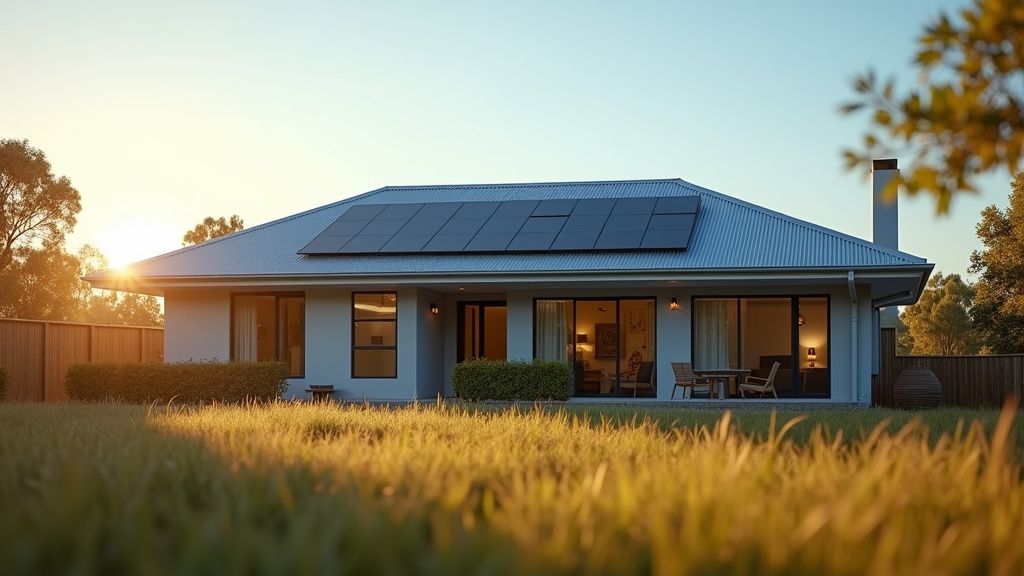
Winter Sun: Is Now the Right Time to Install Solar Panels in Australia?
As the days shorten and the temperatures drop, many Australians are cranking up the heaters and bracing for higher electricity bills. But could winter actually be the perfect time to consider a move towards renewable energy? While it might seem counterintuitive, installing solar panels during the colder months can be a surprisingly savvy decision.
If you're wondering whether solar panels are still effective in cold climates, then check out this Complete Guide for all the details.
Busting the Winter Solar Myths
The biggest misconception is that solar panels need scorching heat to function effectively. The truth is, solar panels convert sunlight into electricity, not heat. They actually perform optimally in cooler temperatures. Overheating can reduce their efficiency, so winter's milder weather can actually be a bonus.
Of course, shorter daylight hours and increased cloud cover in winter do mean that your solar panels will generate less electricity compared to the summer months. However, they still contribute significantly to reducing your reliance on the grid and lowering your power bills. Even on cloudy days, solar panels generate some energy, and rain helps to keep them clean, ensuring optimal performance.
Offsetting Summer Savings for Winter Comfort
Many Australian households with solar panels experience a credit on their electricity bills during the sunnier months. This happens because they're generating more electricity than they need and feeding the excess back into the grid. In winter, when solar generation is lower and energy consumption (due to heating) is higher, you'll likely draw more power from the grid. However, those winter bills will be partially offset by the credit you accumulated during the summer months, thanks to your solar setup.
Real Savings, Real People
Consider the example of Scott and Leanne, a couple from Yarraville, Victoria, living in a century-old cottage. Their 4.5kW solar system saves them around $1,500 a year on their energy bills. In summer, they export a significant amount of excess power back to the grid. While their system generates less power in winter (around 9 kWh a day on average, but up to 18 kWh on sunny days), it still provides a substantial contribution to their energy needs, helping to keep their heating costs down.
Scott and Leanne maximise their savings by using energy-efficient appliances and timing their energy usage to coincide with peak solar production hours. They’ve switched to an all-electric home and run appliances like their heat pump for hot water and hydronic heating, washing machine, and dishwasher during the day, leveraging the solar power they generate. This proactive approach underlines how important it is to actively manage your energy consumption to reap the full benefits of solar.
Why Winter Installation Makes Sense
So, why install in winter if production is lower? Here are a few key advantages:
- Beat the Summer Rush: Solar installers are often less busy during winter, meaning you might benefit from faster installation times and potentially more competitive pricing. Getting the installation done during winter means you'll be ready to maximise your solar production as soon as the longer, sunnier days of spring and summer arrive.
- Assess Your Winter Needs: Installing solar in winter allows you to closely monitor your energy consumption during your peak usage season. This information can be invaluable in determining the ideal size and configuration of your solar system, ensuring it's perfectly tailored to your needs.
- Be Ready for Summer: You'll be set to maximise savings and feed energy back into the grid during the sunnier months, offsetting your winter energy use.
- Incentives & Rebates: Take advantage of potential government incentives and rebates that may be available to help reduce the upfront cost of installing solar panels. Be sure to research what incentives are currently available in your state or territory. In Victoria for example, solar panel rebates and the option of an interest-free loan are available for eligible homes.
Making the Most of Your Solar System
Whether you install solar panels in winter or summer, here are a few tips for maximising their effectiveness:
- Energy Efficiency: Invest in energy-efficient appliances and lighting to reduce your overall energy consumption.
- Time Your Usage: Run appliances during the day when your solar panels are generating the most electricity.
- Consider Battery Storage: If you want to further reduce your reliance on the grid, consider adding a battery storage system to store excess solar energy for use at night or on cloudy days.
- Monitor Your Usage: Track your energy production and consumption to identify areas where you can improve your energy efficiency.
The Verdict
While summer might seem like the obvious choice, winter offers some compelling advantages for solar panel installation. By taking advantage of lower installation demand, assessing your winter energy needs, and preparing for maximum summer production, you can start saving money on your electricity bills and contribute to a cleaner, more sustainable future, no matter the season. Don't let the winter blues keep you in the dark – embrace the power of the sun, even when it's hiding behind the clouds.
