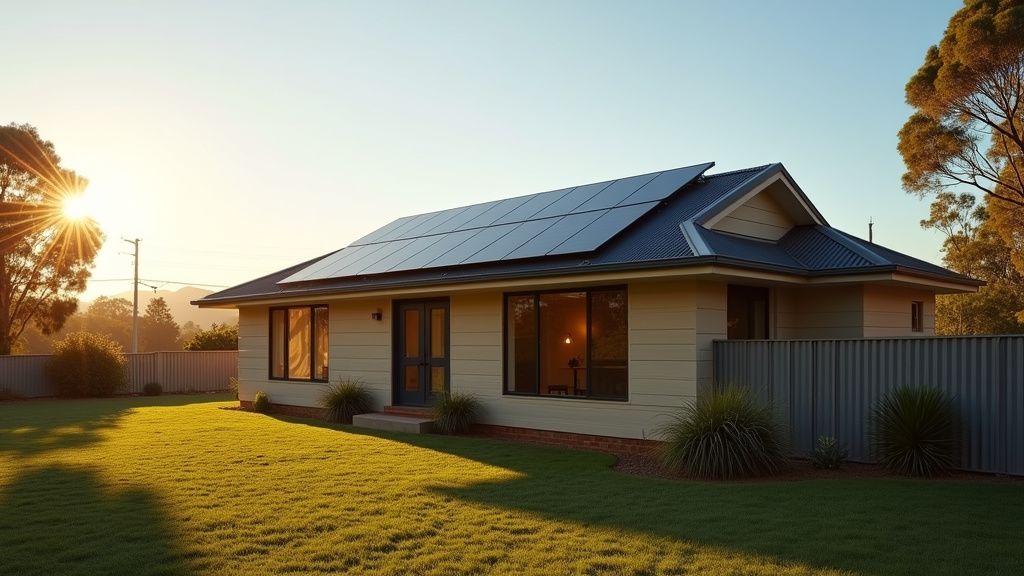
Grid-Tied vs. Off-Grid: Which Solar Setup Is Right for You? - SolarInsights
Australia, blessed with abundant sunshine, is the perfect place to tap into the power of solar energy. But deciding how to harness that energy can be tricky. One of the first and most crucial decisions you'll face is whether to go grid-tied or off-grid. This article breaks down the key differences to help you choose the solar system that best fits your lifestyle and needs. For a more in-depth look, be sure to check out our Complete Guide.
Understanding Grid-Tied Solar Systems
A grid-tied solar system connects directly to the mains electricity grid. Think of it as having a solar power plant on your roof that works in conjunction with the existing power network.
Here’s what makes them tick:
- How They Work: Your solar panels generate electricity, which is then used to power your home. Any excess energy is fed back into the grid.
- Cost-Effective: Grid-tied systems are generally cheaper to install because they require less equipment, specifically extensive battery storage.
- Reduced Maintenance: Because you're still connected to the grid, you have a reliable backup power source. This reduces the need for large, expensive battery banks and the associated maintenance.
- Feed-in Tariffs: A significant benefit is the ability to earn money through feed-in tariffs. You get paid for the excess solar energy you send back to the grid. This can help offset the initial investment in your system. (Note: Feed-in tariff rates can fluctuate, so it's important to research current rates in your area).
However, there are some downsides:
- Grid Dependence: You are still reliant on the grid for power, especially at night or during periods of low solar generation.
- No Power During Blackouts (Without Batteries): Critically, standard grid-tied systems often shut down during power outages for safety reasons (to protect linesmen working on the grid). To have power during a blackout, you'll need to invest in a battery backup solution alongside your grid-tied system, adding to the overall cost.
- Fluctuating Feed-in Tariffs: The amount you earn for exporting excess power can change over time, impacting your potential savings.
Exploring Off-Grid Solar Systems
Off-grid solar systems provide complete energy independence by disconnecting entirely from the electricity grid. They are ideally suited for remote areas where connecting to the grid is either too expensive or simply not feasible.
Here's the breakdown:
- How They Work: Solar panels generate electricity, which is then stored in batteries for later use. A generator might also be included as a backup for extended periods of low sunlight.
- Energy Independence: You are in complete control of your energy generation and consumption. No more electricity bills!
- Resilience: Power outages won't affect you, provided your system is properly sized to meet your energy needs.
- Environmental Benefits: You maximize your reliance on clean, renewable energy.
The challenges of going off-grid:
- Higher Upfront Costs: The biggest hurdle is the initial cost. Off-grid systems require significant battery storage capacity, which significantly increases the overall expense.
- Maintenance Demands: You're responsible for all system maintenance, especially the batteries, which need regular checks and eventual replacement.
- Power Limitations: Depending on the size of your system and battery bank, you might be limited in the number of high-powered appliances you can run simultaneously. Significant investment is needed to support heavy energy users.
Which System is Right for You? A Comparative Look
| Feature | Grid-Tied | Off-Grid |
|---|---|---|
| Cost | Generally lower | Significantly higher |
| Maintenance | Lower | Higher |
| Grid Dependence | Yes | No |
| Energy Independence | Limited | Complete |
| Power Outages | No Power (Without Batteries) | Power Available (If Sized Correctly) |
| Feed-in Tariffs | Potential Benefit | No Benefit |
Making the Right Choice: Factors to Consider
Choosing the right solar system depends on your specific circumstances and priorities. Consider these questions:
- Location: Are you in a remote area with no grid access? Or do you have reliable grid power available?
- Budget: How much are you willing to invest upfront? Remember to factor in long-term savings and potential feed-in tariff earnings.
- Energy Needs: How much electricity do you consume daily? Do you have high-powered appliances?
- Energy Independence: How important is it for you to be completely independent from the grid?
- Environmental Concerns: How committed are you to maximizing your use of renewable energy?
Final Thoughts
Both grid-tied and off-grid solar systems offer significant benefits. Grid-tied systems provide a more affordable and straightforward path to solar energy, while off-grid systems offer complete energy independence. By carefully considering your individual needs and circumstances, you can choose the solar setup that’s right for you and start enjoying the benefits of clean, renewable energy.
