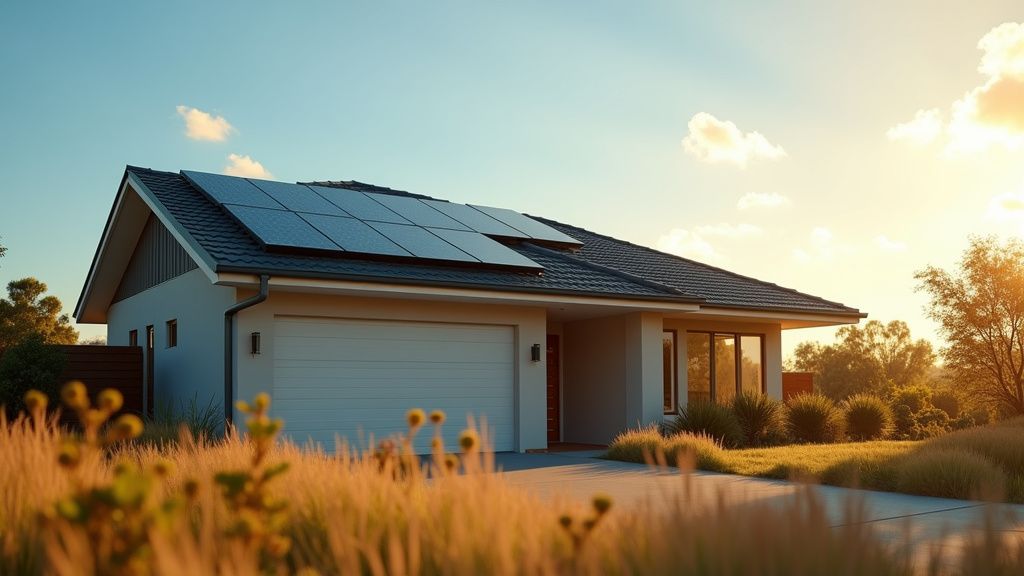
Future-Proofing Your Home: Solar Panels and Electric Vehicles – A Match Made in Australia
Are you thinking about the future? A future with cleaner air, lower energy bills, and a reduced carbon footprint? Then it’s time to consider the powerful combination of solar panels and electric vehicles (EVs). For Australian homeowners, this duo offers a compelling pathway to energy independence and sustainable living. If you are ready to take the plunge, then check out our Complete Guide.
Why Combine Solar and EVs?
Let's face it, transport is a big part of our lives. Getting to work, taking the kids to school, running errands – it all adds up. Unfortunately, transport is also a major contributor to Australia’s greenhouse gas emissions. In fact, cars alone are responsible for half of the country's transport-related emissions. On average, Aussie households spend significantly more on transport than on electricity, often seven times as much!
Here’s where the magic of solar and EVs comes in. By generating your own clean energy with solar panels, you can directly power your EV, effectively slashing your reliance on fossil fuels and reducing your carbon footprint. Imagine driving on sunshine – it’s not just a dream, it's an achievable reality.
The Financial Benefits: Savings, Savings, Savings!
Beyond the environmental benefits, there are compelling financial reasons to combine solar and EVs.
- Reduced Fuel Costs: This is perhaps the most obvious benefit. Forget frequent trips to the petrol station. With a solar-powered EV, your "fuel" costs plummet. You're essentially using free energy from the sun to power your vehicle.
- Lower Electricity Bills: While you'll be using more electricity to charge your EV, your solar panels will offset this increase. In many cases, you could even end up with lower overall electricity bills, especially if you time your EV charging to coincide with peak solar production hours.
- Government Incentives: Both solar panels and EVs are often eligible for government rebates and incentives, making them more affordable upfront. Check with your state or territory for specific programs.
- Increased Home Value: A home equipped with solar panels and EV charging capabilities is increasingly attractive to potential buyers. It signals a commitment to sustainability and offers tangible cost savings, potentially increasing your property's value.
Choosing the Right Solar System for EV Charging
Not all solar systems are created equal. When planning a solar installation for EV charging, you'll need to consider a few key factors:
- Energy Consumption: Estimate your daily or weekly driving needs to determine how much energy your EV will require. This will help you size your solar system appropriately.
- Panel Size: A larger panel size and array will mean more power generated and more range for your EV.
- Battery Storage (Optional): Adding a battery storage system allows you to store excess solar energy generated during the day and use it to charge your EV at night or during periods of low sunlight. While it's an added expense, battery storage maximizes your self-consumption of solar energy.
- EV Charger: Invest in a Level 2 EV charger for faster and more efficient charging at home. These chargers typically require professional installation.
Types of EVs: What's Right for You?
The EV market in Australia is growing rapidly, with a range of options to suit different needs and budgets.
- Battery Electric Vehicles (BEVs): These are fully electric vehicles powered solely by batteries. They offer the longest range and zero tailpipe emissions.
- Plug-in Hybrid Electric Vehicles (PHEVs): PHEVs combine an electric motor with a petrol engine. They offer a shorter electric range but can switch to petrol power for longer journeys.
- Hybrid Electric Vehicles (HEVs): Hybrids use both a petrol engine and an electric motor, but the battery is charged by the engine. They don't need to be plugged in, but their electric range is limited.
Future-Proofing Beyond Solar and EVs
While solar panels and EVs are a great start, consider other ways to make your home more sustainable.
- Energy-Efficient Appliances: Upgrade to energy-efficient appliances to reduce your overall energy consumption.
- Smart Home Technology: Install smart thermostats and lighting systems to optimize energy usage.
- Sustainable Transport Choices: Explore alternatives to driving, such as cycling, walking, and public transport, whenever possible.
Conclusion: Embrace the Future
Combining solar panels and electric vehicles is a powerful step towards a more sustainable and cost-effective future. By harnessing the power of the sun, you can reduce your carbon footprint, lower your energy bills, and enjoy the freedom of driving on clean, renewable energy. So, take the leap and future-proof your home today!
