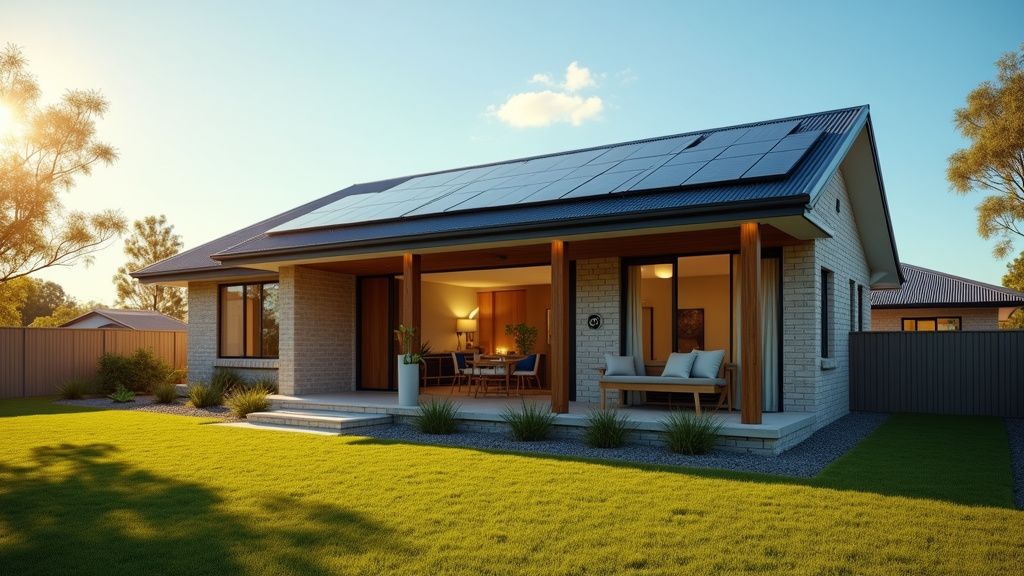
Decoding the Inverter: Your Guide to Solar Success in Australia
So, you're thinking about going solar? Excellent choice! Harnessing the Aussie sun is a fantastic way to reduce your energy bills and contribute to a greener future. While solar panels often steal the spotlight, the inverter is the unsung hero of your system. It's the brains of the operation, converting the DC electricity generated by your panels into the AC electricity that powers your home. Choosing the right inverter is crucial for maximising your solar investment.
To help you navigate this important decision, let's dive into the world of solar inverters. And if you want an even more in-depth understanding of how to size everything correctly, check out our Complete Guide.
What Does an Inverter Actually Do?
Think of your solar panels as producing electricity in one "language" (DC), and your home using a different "language" (AC). The inverter acts as a translator, converting the DC electricity into usable AC electricity. This conversion is essential because our homes are wired to use AC power for appliances, lighting, and everything else. Without a functioning inverter, your solar panels are essentially useless.
In Australia, almost every solar system installed relies on an inverter. If it fails, your solar panels effectively shut down until it’s repaired or replaced. While solar panels can last for 25 years or more, inverters typically have a shorter lifespan, often around 10-15 years. This means you'll likely need to replace your inverter at least once during the life of your solar PV system.
Types of Solar Inverters
Understanding the different types of inverters is key to making the right choice for your needs. Here's a breakdown of the most common options:
-
Grid-Interactive Inverters: These are the most common type in Australia. They convert DC power from your solar panels into AC power and feed it into your home's electrical wiring. Any excess power is then exported to the grid, earning you credits on your electricity bill. These inverters require a grid connection to function. If there’s a blackout, they automatically shut down for safety reasons. They work by connecting your panels in a series, and if one panel's output is reduced (perhaps due to shading), it can affect the performance of all the panels in that series.
-
Microinverters: Microinverters are smaller inverters installed directly on the back of each individual solar panel. This makes each panel independent. One major advantage is that if one panel is shaded, it doesn't affect the output of the other panels. This is great for systems where shading is a concern, or for those looking to expand their system incrementally.
-
Hybrid Inverters: If you're planning on incorporating battery storage into your solar setup, a hybrid inverter might be the best choice. These inverters can manage the flow of energy between your solar panels, battery, and the grid. They can also charge your batteries from the grid if needed. Many hybrid inverters also offer backup power during blackouts, acting as a large UPS (Uninterruptible Power Supply). Some advanced models can even divert excess solar energy to other appliances, like your hot water system, eliminating the need for a separate solar diverter. While hybrid inverters offer many advantages, they are not essential for solar systems with batteries. You can use batteries with standard grid-interactive inverters, but you might not get all the features of a hybrid system.
Sizing Your Inverter Correctly
Properly sizing your inverter is essential for optimal performance and savings.
-
Matching the Array: In systems using a standard grid-interactive inverter, the inverter is typically sized to match the capacity of your solar panel array. So, a 5kW solar array would generally be paired with a 5kW inverter.
-
Undersizing (Oversizing the Array): It's also possible to "undersize" your inverter, meaning you install solar panels with a higher total capacity than the inverter's rating. This is sometimes done because inverters operate more efficiently when running closer to their maximum capacity, and solar panels rarely generate their full rated output. The relatively low cost of panels means the small loss in generation from panels being at full capacity is often less than the cost of a larger inverter.
Important note: To still qualify for government rebates when undersizing your inverter, your solar array's capacity cannot exceed the inverter's capacity by more than 33%. For example, you could have a 6.6kW solar array paired with a 5kW inverter and still be eligible for rebates.
Key Considerations When Choosing an Inverter
- Reliability and Warranty: Choose a reputable brand with a solid warranty.
- Efficiency: Look for inverters with high efficiency ratings to maximise your energy production.
- Features: Consider features like monitoring capabilities, backup power, and compatibility with battery storage.
- Cost: Compare prices from different suppliers, but don't solely focus on the cheapest option. Quality and reliability are paramount.
- Installer Recommendation: Your solar installer can provide valuable advice based on your specific needs and circumstances.
Investing in the right solar inverter is a vital part of creating a reliable and efficient solar power system. By understanding the different types of inverters and their features, you can make an informed decision that will help you maximise your solar investment for years to come.
