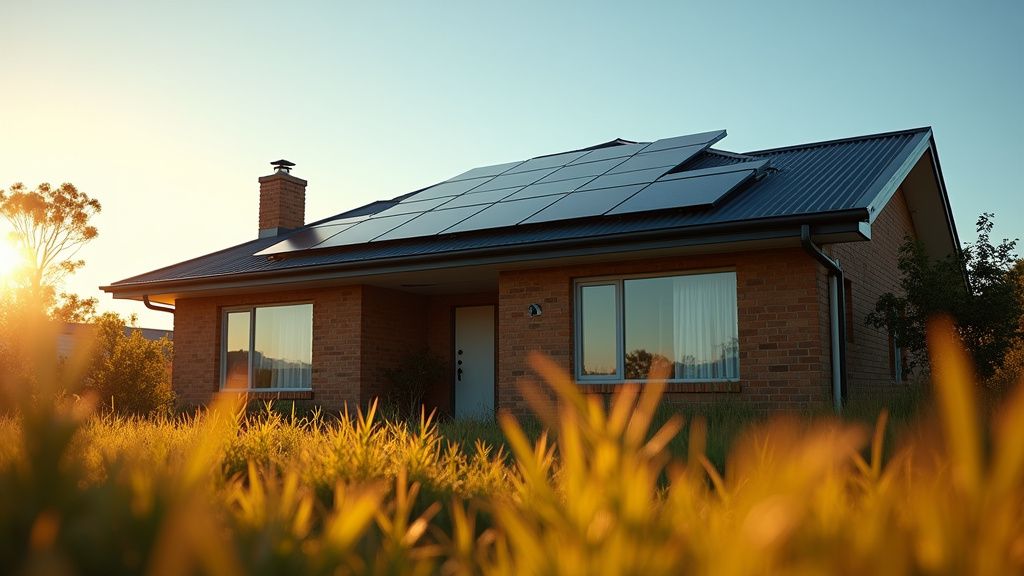
The Dark Side of Solar: What Happens When Panels Aren't Recycled?
Australia is basking in the solar revolution. Rooftop panels are popping up everywhere, promising clean energy and lower power bills. But what happens when these panels reach the end of their lifespan? The answer, if they're not properly recycled, could have a significant environmental impact.
While solar energy is undoubtedly a crucial part of our clean energy future, we need to be aware of the potential downsides of neglecting end-of-life management. Let's delve into the environmental consequences of un-recycled solar panels, and why embracing responsible recycling is essential. For a more detailed look, read our Complete Guide.
What's Inside a Solar Panel?
Understanding the composition of solar panels is key to grasping the impact of improper disposal. A typical solar panel is made up of about 77% glass, 10% aluminium, and 3% silicon. The remaining 10% consists of polymers, with small amounts of copper, silver, tin, and even trace amounts of lead. While lead-free alternatives are being developed, lead is sometimes used in the solder that joins the panels together.
These materials aren't inherently dangerous while safely encased and operating on your roof. However, when panels are simply dumped in landfills, these components can potentially leach into the environment over time, contaminating soil and groundwater.
The Scale of the Problem
The lifespan of a solar panel is generally between 25 and 30 years. While they'll still be producing around 85% of their original power output at the end of that period, eventually, they'll need to be replaced. With the surge in solar installations over the last decade, Australia is heading towards a future where a significant number of panels will need decommissioning.
Without proper recycling infrastructure and practices, we risk creating a mountain of solar panel waste. Global projections show that unmanaged solar panel waste could become a massive issue. We must act now to avoid this future.
Environmental Impacts of Landfill Disposal
The vast majority (over 95%) of a solar panel can be recycled. This includes valuable materials like aluminium, glass, silicon, copper and silver. However, if panels end up in landfills, these resources are lost, and the environmental risks increase.
Here's a breakdown of the potential environmental damage:
- Leaching of Toxic Materials: Although the amount of lead in a panel is relatively small, over time, it can leach into the soil and water. Other heavy metals can also pose a threat.
- Resource Depletion: Mining and processing raw materials for new solar panels requires significant energy and resources. Recycling reduces the need for this, lessening the environmental footprint of solar energy as a whole.
- Landfill Space: As landfill space becomes increasingly scarce, adding large volumes of solar panel waste only exacerbates the problem.
- Greenhouse Gas Emissions: The process of manufacturing new panels from raw materials is energy-intensive and contributes to greenhouse gas emissions. Recycling reduces the need for new manufacturing, lowering emissions.
Solar Panel Waste vs. Fossil Fuel Waste
It's important to maintain perspective. Even the worst-case scenario for solar panel waste pales in comparison to the environmental damage caused by fossil fuels. The toxicity of solar panel waste is significantly lower than that of coal ash or oily sludge produced by the oil industry.
Research indicates that the world produces the same amount of coal ash in just one month as the total amount of predicted solar panel waste over the next 35 years. However, this doesn't diminish the need for responsible solar panel recycling. It simply highlights the vastly superior environmental profile of solar energy compared to fossil fuels, even when end-of-life considerations are factored in.
The Good News: Recycling Solutions Exist
Fortunately, Australia is developing facilities dedicated to solar panel recycling. These facilities can recover valuable materials from end-of-life panels, reducing the need for raw materials and minimizing environmental damage.
These facilities typically use mechanical processes – no harsh chemicals – to break down the panels and separate the different materials. This allows for the recovery of aluminium frames, glass, silicon wafers, and other valuable components. In Australia, up to 17% of a solar panel can be recycled domestically, with other components potentially being processed overseas.
What Can You Do?
As consumers, we have a crucial role to play in ensuring the responsible end-of-life management of solar panels. Here's what you can do:
- Choose Reputable Installers: Select solar installers who have a clear plan for handling end-of-life panels, including partnering with reputable recycling facilities.
- Ask About Recycling Options: When upgrading your solar system, inquire about the recycling options available for your old panels.
- Support Policy Initiatives: Advocate for government policies that promote and incentivize solar panel recycling.
By embracing responsible recycling practices, we can ensure that solar energy remains a truly clean and sustainable energy source for Australia, minimizing its environmental impact and maximizing its benefits for generations to come.
