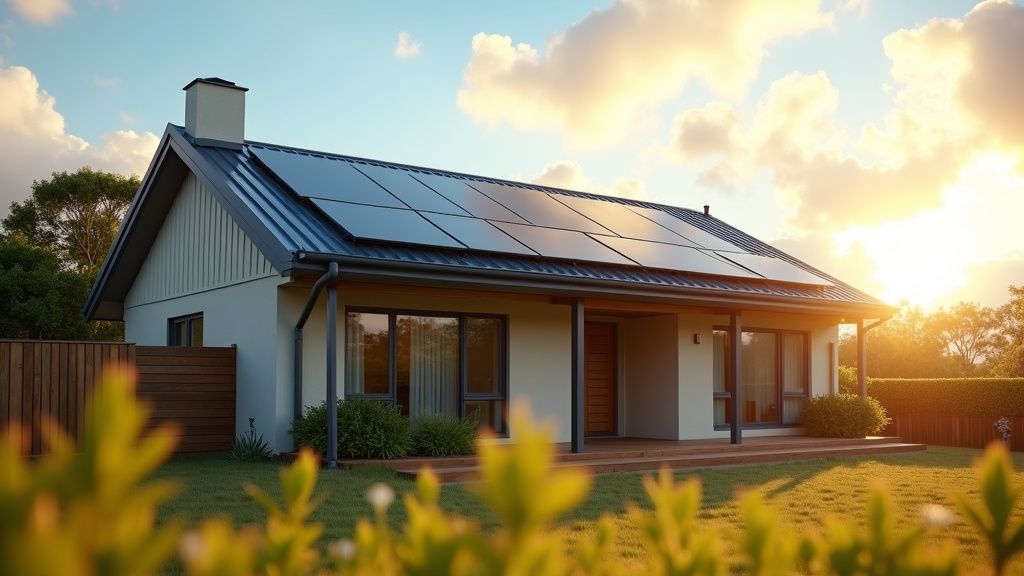
Solar Power Down Under: A Step-by-Step Guide to Figuring Out Your Needs
Thinking about going solar? Good on ya! Solar power is not only environmentally friendly, but it can also save you serious money on your electricity bills. Plus, with solar power now being one of the most affordable sources of electricity, there's never been a better time to make the switch. But before you jump in, it's crucial to figure out exactly what your solar power needs are. This blog post provides a simple, step-by-step approach to help you determine the perfect solar system size for your home. For a more in-depth breakdown, check out our Complete Guide.
Step 1: Understand Your Current Electricity Consumption
The first, and arguably most important, step is to understand how much electricity you're currently using. This will give you a baseline for determining the size of the solar system you'll need.
- Grab Your Electricity Bills: Dig out your last 12 months of electricity bills. Don't just look at the total amount you paid; focus on the actual kilowatt-hours (kWh) you consumed each month.
- Calculate Your Average Daily Consumption: Add up the total kWh used over the year and divide by 365 to get your average daily consumption. This is a critical number!
- Identify Peak Usage Times: Note when you use the most electricity. Is it during the day when you're running the air conditioner, or in the evening when you're cooking and watching TV? This will help you decide if battery storage is a worthwhile investment (more on that later).
Step 2: Assess Your Roof and Location
Next, you need to consider the physical characteristics of your home that will impact your solar panel installation.
- Roof Space: How much roof space do you have available? Solar panels need plenty of sunlight to generate electricity.
- Roof Orientation: Which direction does your roof face? North-facing roofs are ideal in Australia as they receive the most sunlight throughout the day. East and west-facing roofs can still be viable, but south-facing roofs are generally not suitable for solar panel installation.
- Shading: Are there any trees, buildings, or other obstructions that might cast shadows on your roof? Shade can significantly reduce the amount of electricity your solar panels generate.
- Roof Condition: Is your roof in good condition? You'll want to ensure that it can handle the weight of the solar panels and that it won't need to be replaced anytime soon.
Step 3: Consider Your Budget
Solar systems are an investment, so it's essential to set a budget and stick to it.
- System Costs: The cost of a solar system can vary depending on the size, quality of the components, and installation costs. Get quotes from several different installers to compare prices.
- Rebates and Incentives: Take advantage of any government rebates or incentives that are available in your state or territory. These can significantly reduce the upfront cost of your solar system.
- Payback Period: Calculate the payback period for your solar system. This is the amount of time it will take for your savings on electricity bills to offset the initial cost of the system. Keep in mind that the actual payback period will be impacted by weather patterns, maintenance costs, and future electricity prices.
Step 4: Determine the Right System Size
Now that you have all the information you need, you can determine the right system size for your home. While it's always a good idea to consult with a qualified solar installer, here are some general guidelines:
- Match Your Consumption: Aim to install a system that can generate enough electricity to cover your average daily consumption.
- Consider Future Needs: If you plan to increase your electricity consumption in the future (e.g., by adding an electric vehicle), you may want to install a larger system.
- Exporting Excess Electricity: In many states, you can sell any excess electricity that your solar panels generate back to the grid. This can help you further reduce your electricity bills.
Step 5: Evaluate Battery Storage (Optional)
Battery storage is an increasingly popular option for homeowners with solar panels. Batteries allow you to store excess solar energy for use when the sun isn't shining, such as at night or during power outages.
- Pros: Increased energy independence, reduced reliance on the grid, backup power during outages.
- Cons: High upfront cost, which can increase the payback period.
Whether or not battery storage is right for you depends on your individual needs and circumstances. If you're looking to maximise your energy independence and reduce your reliance on the grid, battery storage may be worth considering.
Final Thoughts
Determining your solar power needs can seem daunting, but by following these steps, you can confidently choose a system that's right for your home and budget. Remember to do your research, get quotes from multiple installers, and take advantage of any available rebates or incentives. With a little planning, you can harness the power of the sun and enjoy significant savings on your electricity bills for years to come.
