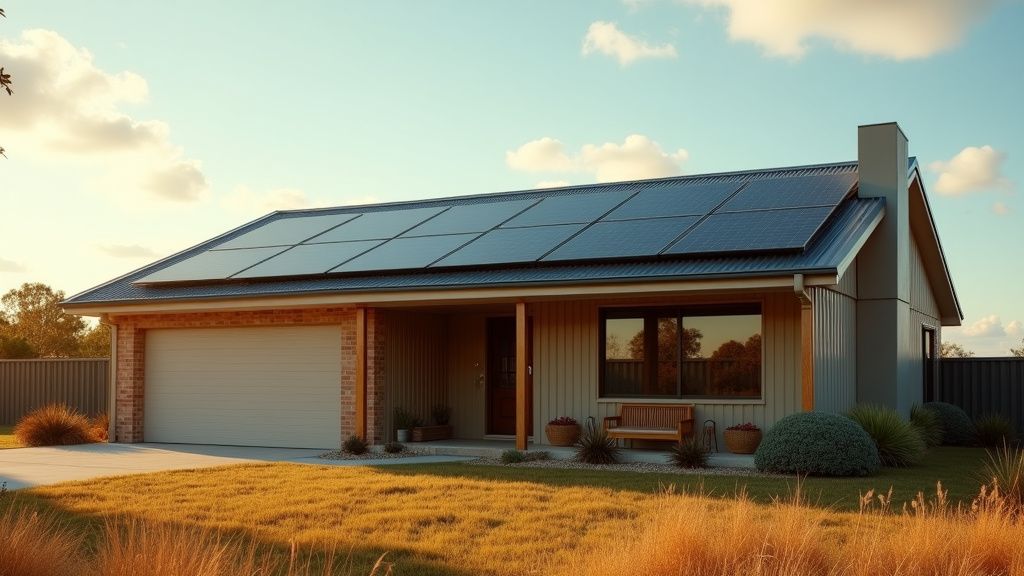
Critical Minerals at Risk: The Urgent Need for Solar Panel Recycling in Australia
Australia's renewable energy transition is in full swing, and solar power is playing a starring role. Rooftop solar is booming, and large-scale solar farms are popping up across the country. But what happens when these solar panels reach the end of their life? It's a question we can't afford to ignore, particularly when it comes to securing valuable critical minerals.
While solar energy is clean and sustainable, the lifecycle of a solar panel presents a growing waste management challenge. Fortunately, the solar industry is taking end-of-life concerns seriously and is actively exploring new ways to improve resource management. Solar panels have an expected lifespan of 25 to 30 years, and after that, their output gradually declines.
The good news is that solar panels are made of valuable materials – around 95% of a typical panel is recyclable. This includes materials like aluminium, glass, silicon, silver, copper, indium, and germanium. However, simply throwing them away means we're burying valuable resources that could be reused.
The Critical Mineral Connection
The push for solar panel recycling isn't just about reducing landfill; it's also about securing access to critical minerals essential for renewable energy technologies and other industries. Global competition for these materials is only going to intensify in the coming years. By recovering and recycling these minerals from end-of-life solar panels, we can reduce our reliance on virgin materials and bolster our domestic supply chains.
Think of it this way: instead of digging new minerals out of the ground, we can effectively 'mine' them from discarded solar panels. This approach offers significant environmental and economic benefits.
What Happens to Old Solar Panels?
Currently, various components from decommissioned solar arrays can be recycled and repurposed.
- Glass: Can be recycled into asphalt and other building materials.
- Aluminium Frames: Can be easily separated and recycled like any other aluminium product.
- Copper and Junction Boxes: Can also be separated and recycled.
- Silicon: Can be recovered and potentially reused in new solar panels.
The Recycling Process
Although still developing in Australia, the process of recycling solar panels generally involves:
- Collection and Transportation: Panels are collected from households and businesses and transported to recycling facilities.
- Disassembly: The panels are carefully disassembled, separating the various materials.
- Material Processing: Each material stream (glass, aluminium, silicon, etc.) is processed to remove impurities and prepared for reuse.
- Remanufacturing: The recovered materials are then sold to manufacturers who can use them to create new products, including new solar panels.
Who is Responsible?
The responsibility for decommissioning and recycling large-scale solar farms generally lies with the project owner. Landowner contracts and environmental approvals typically outline requirements for land rehabilitation and decommissioning.
If a solar farm is sold, the new owner assumes these responsibilities. Importantly, projects usually set aside funds for decommissioning well in advance of the end of the project's life, reducing the risk of stranded assets.
Overcoming the Challenges
While the potential for solar panel recycling is clear, several challenges need to be addressed to ensure its widespread adoption in Australia:
- Lack of Infrastructure: Australia needs more dedicated solar panel recycling facilities.
- Cost: Recycling can sometimes be more expensive than landfilling, requiring government incentives or regulations to level the playing field.
- Awareness: Many homeowners and businesses are unaware of the importance of solar panel recycling and how to properly dispose of their old panels.
- Regulation: Clear national standards and regulations are needed to govern solar panel recycling and ensure responsible waste management.
The Future of Solar Panel Recycling in Australia
The future of solar panel recycling in Australia is bright. With growing awareness, technological advancements, and supportive government policies, we can create a circular economy for solar panels that:
- Reduces landfill waste
- Secures access to critical minerals
- Creates new jobs and economic opportunities
- Further strengthens Australia's position as a leader in renewable energy.
Australia has a tremendous opportunity to lead the way in solar panel recycling. By investing in the necessary infrastructure, promoting awareness, and enacting supportive policies, we can ensure that the end-of-life of solar panels becomes an opportunity, not a problem. It's time to prioritise solar panel recycling and secure a sustainable future for Australia's renewable energy industry.
