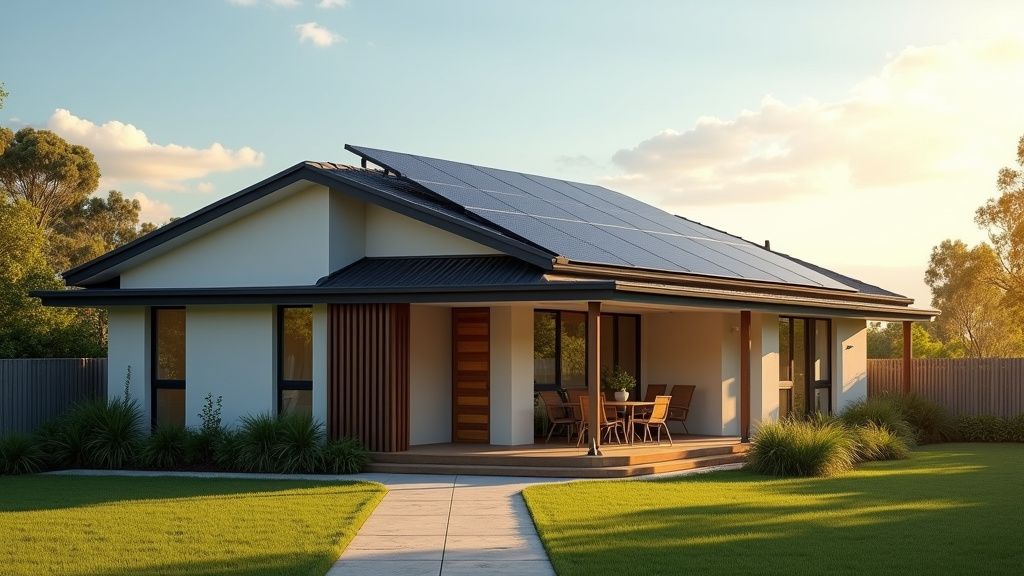
Power Up Your Savings: Calculating the Optimal Solar Battery Size for Your Aussie Home
Thinking about adding a battery to your solar system? It’s a smart move that can boost your energy independence and slash your power bills. But before you take the plunge, it’s crucial to figure out the right battery size for your needs. Choosing the wrong size can leave you underpowered, wasting money, or missing out on potential government incentives. This blog post will guide you through the process of calculating the ideal solar battery size for your Australian home.
For a more in-depth look into the world of solar battery and inverter sizing, check out this Complete Guide.
Why Does Battery Size Matter?
A solar battery stores excess energy generated by your solar panels during the day, allowing you to use it at night or during periods of low sunlight. A correctly sized battery ensures you maximise self-consumption of your solar energy, reducing your reliance on the grid and saving you money.
- Too Small: A battery that’s too small won't store enough energy to meet your needs, forcing you to draw power from the grid when you could be using your own stored solar.
- Too Large: An oversized battery might not get fully charged by your solar panels, resulting in wasted capacity and a poor return on investment.
Factors Influencing Battery Size
Several key factors influence the optimal battery size for your home:
- Solar Panel System Size: The size of your solar panel system is a primary determinant. After all, the battery needs enough solar energy to fill it up. A larger solar system generally means you can support a larger battery.
- Daily Energy Consumption: Understanding your household's daily energy consumption is vital. Review your electricity bills to determine your average daily kilowatt-hour (kWh) usage.
- Energy Consumption Patterns: When do you use the most energy? Are you a heavy daytime user, or do you consume more power in the evenings and at night? If most of your energy use occurs outside daylight hours, a larger battery will be needed to cover these peak times.
- Self-Consumption Goals: Are you aiming for maximum cost savings, or are you prioritising energy independence and backup power during grid outages? If energy independence is the goal, you'll likely need a larger battery to cover multiple days of potential low solar production.
- Government Incentives: With the introduction of programs like the Federal Government’s "Cheaper Home Batteries Program" from July 1, 2025, it’s even more critical to size your battery correctly. These rebates often have specific capacity requirements (e.g., between 5kWh and 50kWh usable capacity), meaning an incorrectly sized system could miss out on valuable incentives.
Calculating Your Optimal Battery Size: A Step-by-Step Guide
While a professional installer can provide a precise calculation, here's a general approach to estimate your ideal battery size:
- Determine Your Daily Energy Usage: Review your electricity bills for the past year to calculate your average daily energy consumption in kWh.
- Estimate Your Solar Production: Estimate how much energy your solar panel system produces on an average day. This will depend on your system size, location, panel orientation, and weather conditions. Your solar installer can provide a more accurate estimate.
- Calculate Excess Solar Energy: Subtract your daily energy usage from your solar production. The remaining energy is what's available to charge your battery.
- Consider Your Evening/Night Usage: Determine how much energy you typically use in the evenings and overnight when your solar panels aren't producing. This figure represents the minimum battery capacity you'll need to cover your nighttime needs.
- Factor in Weather Variability: Remember that solar production varies depending on weather conditions. You may want to add some buffer capacity to your battery to account for cloudy days.
Example Scenario:
Let's say your household uses an average of 15 kWh of electricity per day. Your solar panel system produces approximately 20 kWh per day. This leaves you with 5 kWh of excess solar energy. You typically use 8 kWh of electricity between 6 pm and 6 am. In this scenario, you'd ideally want a battery with a usable capacity of at least 8 kWh to cover your nighttime energy needs. You might consider a slightly larger battery, perhaps 10-12 kWh, to provide some backup power during cloudy days.
The Importance of Professional Advice
While this guide provides a general framework, it’s essential to consult with a qualified solar installer to determine the optimal battery size for your specific needs and circumstances. Installers have the expertise and tools to assess your energy usage, solar production potential, and financial goals, recommending the most appropriate battery system. They can also help you navigate government incentives and ensure your system meets all relevant regulations.
Don't Miss Out on Potential Savings!
With the introduction of programs like the Federal Government’s "Cheaper Home Batteries Program", getting your battery sizing right is now even more critical to ensure you meet the battery capacity criteria for the rebate.
By carefully considering your energy needs, solar production, and financial goals, you can select the right battery size to maximize your savings and enjoy the benefits of clean, reliable solar energy. Contact a reputable solar installer today to start planning your solar battery upgrade!
Read More
For a comprehensive overview, check out our master guide: Read the Full Guide Here.
