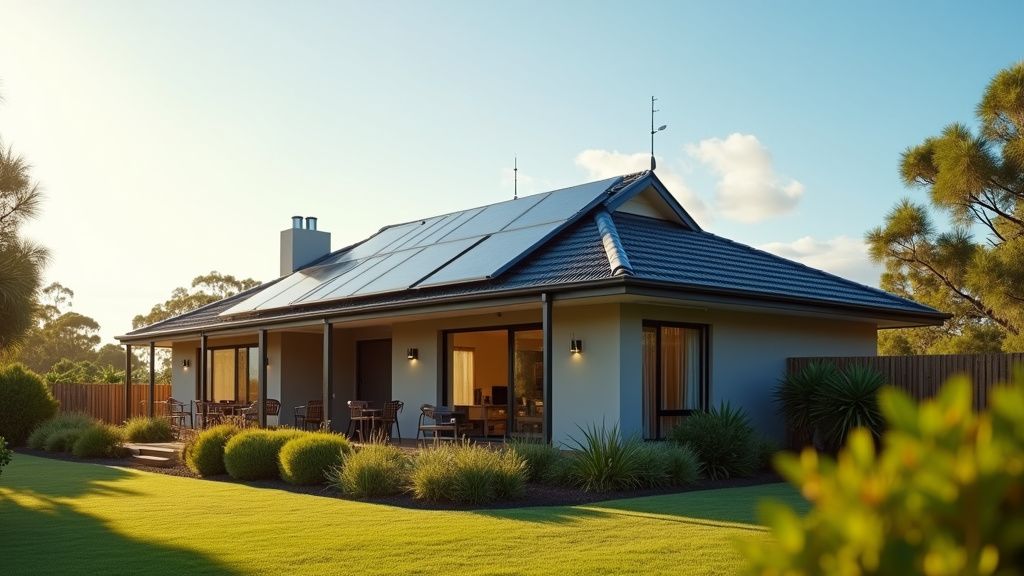
SolarInsights: Calculating Your Optimal Solar Panel System Size for Aussie Homes
Thinking about going solar? That's fantastic! Rooftop solar panels are a brilliant way to reduce your electricity bills, shrink your carbon footprint, and increase your home's value. But figuring out the right size system can feel overwhelming. This blog post will break down the key factors to consider so you can make an informed decision. If you want to go deeper, check out this Complete Guide.
Why Does System Size Matter?
Simply put, the size of your solar system, measured in kilowatts (kW), determines how much electricity it can generate. Too small, and you won't see significant savings. Too big, and you might be overspending on equipment and exporting excess power back to the grid at a less-than-ideal rate.
Understanding Kilowatts (kW) and Kilowatt-hours (kWh)
Let's clarify the terminology. A kilowatt (kW) is a unit of power – think of it as the potential electricity your solar panels can produce at any given moment. A kilowatt-hour (kWh) is a unit of energy – the amount of electricity you actually use over a period of time (typically an hour). Your electricity bill is measured in kWh.
For example, a 6kW solar system can theoretically generate 6 kWh of electricity in one hour under ideal conditions (full sunshine).
Key Factors to Consider:
-
Your Electricity Consumption:
The most crucial factor is your current electricity usage. Dig out your latest electricity bill and look for your "average daily use" in kilowatt-hours (kWh). This will give you a clear picture of how much electricity your household consumes. Australian homes, on average, use between 11 and 23 kWh per day.
- Lower Consumption (11-15 kWh): A smaller system, like a 3-5kW system, might be sufficient.
- Average Consumption (16-20 kWh): A mid-sized system, like a 5-7kW system, could be a good fit.
- Higher Consumption (21+ kWh): A larger system, like a 7kW+ system, might be necessary.
-
Your Roof Space:
The amount of available, sunny roof space is another significant constraint. A standard residential solar panel is roughly 1.7 square meters in size. A common 6.6kW system might require between 29 and 32 square meters of roof area, depending on the panel's wattage.
Consider:
- Roof Orientation: North-facing roofs generally receive the most sunlight in Australia, followed by east and west-facing roofs. South-facing roofs are the least ideal.
- Shading: Trees, buildings, and other obstructions can cast shadows on your panels, reducing their efficiency.
- Roof Type: Some roof types are easier to install solar panels on than others.
-
Your Budget:
Solar panel systems are an investment, and the cost varies depending on the size and quality of the components. A larger system will naturally cost more upfront. Factor in the cost of the panels, inverter, installation, and any necessary electrical upgrades. The good news is that government rebates and incentives can help offset the initial expense. Keep in mind the long-term savings and potential return on investment.
-
Your Energy Usage Patterns:
When do you use the most electricity? If you're home during the day and tend to use appliances like air conditioning or washing machines while the sun is shining, you'll directly benefit from the solar power generated. If you primarily use electricity at night, you might consider a battery storage system to store excess solar energy for later use.
-
Inverter Sizing:
The inverter converts the DC electricity generated by your solar panels into AC electricity that can power your home. Often, the inverter is intentionally sized slightly smaller than the total panel output. For example, a 6.6kW solar panel array might be paired with a 5kW inverter. This is because panels rarely operate at their peak capacity, and this approach can provide the best value for your inverter investment. However, be aware that exceeding the inverter manufacturer's specifications for panel input can affect your eligibility for government rebates.
Getting a Professional Assessment:
While this guide provides a general overview, the best way to determine the optimal solar panel system size for your home is to consult with a qualified solar installer. They can assess your specific needs, roof conditions, and energy usage patterns to recommend a tailored solution. They will also use specialist quoting software to provide detailed estimates of system costs and projected savings. Don't hesitate to ask them about the assumptions behind their calculations.
Tools and Resources:
There are tools available that provide estimates for suitable rooftop solar system sizes. These tools will offer guidance on installed system cost, projected annual bill savings, emissions avoided and the payback period.
In Conclusion:
Calculating the right solar panel system size is a balancing act that involves considering your electricity consumption, roof space, budget, and energy usage patterns. By carefully evaluating these factors and seeking professional advice, you can choose a system that maximises your savings and helps you contribute to a more sustainable future.
