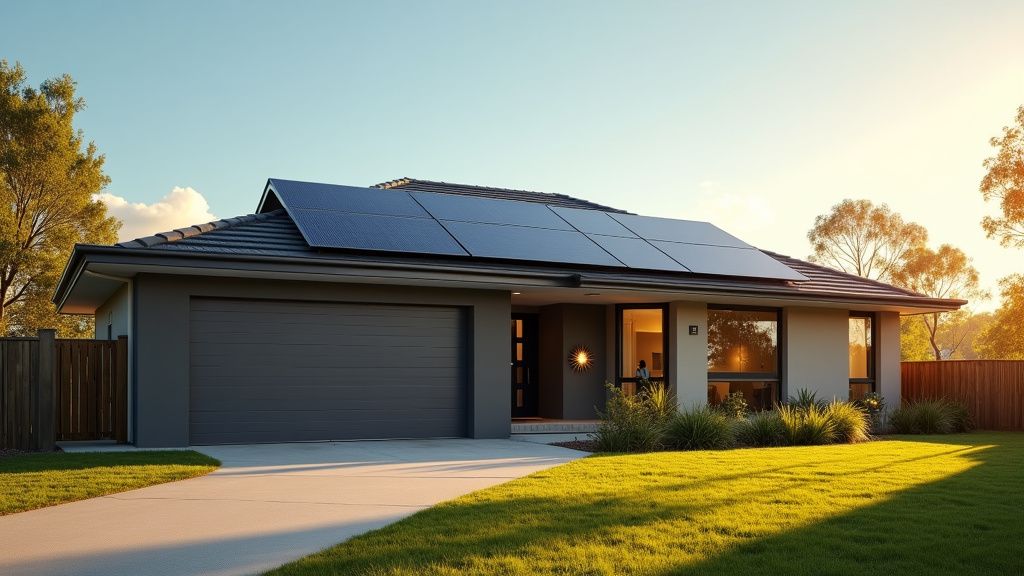
Ask an Expert: Is Solar Battery Storage Right for My Home?
Thinking about adding a battery to your solar setup? It's a question many Aussie homeowners are asking as they strive for greater energy independence and savings. Here at SolarInsights, we get it. Making the right decision about solar battery storage can be complex, so let's break it down. For a more in-depth look, check out our Complete Guide.
What Does a Solar Battery Actually Do?
Essentially, a solar battery stores excess electricity generated by your solar panels that you aren't using in real-time. Without a battery, this surplus energy is typically fed back into the grid. However, a battery allows you to keep that energy for later use, like during the evening when your solar panels aren't producing or during a power outage.
Is a Battery Right for You? Consider These Factors:
- Your Energy Consumption: How much electricity do you use, and when do you use it? If you consume most of your power during daylight hours, a battery might not be as beneficial. However, if you use a lot of energy in the evenings, a battery can significantly reduce your reliance on the grid.
- The Size of Your Solar System: A battery is only useful if you have excess solar energy to store. If you have a small solar system that barely covers your daytime energy needs, a battery may not be a worthwhile investment. Generally, it makes sense to consider a battery once you have a solar system that regularly produces surplus energy.
- Export Limits: Some electricity providers impose limits on how much solar energy you can export back to the grid. If you frequently exceed these limits, your excess solar energy is essentially wasted. A battery allows you to capture and use this otherwise lost energy.
- Power Outages: Do you experience frequent power outages? A solar battery, when configured correctly, can provide backup power during blackouts. However, it's crucial to understand that not all battery systems offer this feature. Some may only power essential circuits like lighting and refrigeration.
- Financial Considerations: This is a big one. Solar batteries are an investment, and it's essential to weigh the costs against the potential savings. While battery prices have come down in recent years, they are still a significant expense. Factor in installation costs, potential maintenance, and the lifespan of the battery. Also, check what government rebates or incentives might be available in your state or territory. The Australian Government has announced the ‘Cheaper Home Batteries Program', which aims to lower the upfront cost of home battery systems through discounts. It is worth noting that eligible battery systems require Clean Energy Council accreditation.
Grid Connection and Virtual Power Plants (VPPs):
Many modern battery systems are designed to connect to the grid. A key feature is their potential to participate in Virtual Power Plants (VPPs). VPPs network numerous solar and battery systems, allowing them to function as a single power source and facilitate energy sharing.
Ask the Right Questions (and Get it in Writing!):
If you're considering a battery, it's essential to get advice from a qualified solar retailer or installer. Ask them:
- Why do they think a battery is a good idea for your specific situation?
- What size battery do they recommend, and why?
- What is the estimated payback period for the battery?
- Does the battery system provide backup power during outages? If so, what circuits will it cover?
- What are the warranty terms and expected lifespan of the battery?
For extra assurance, the 'Cheaper Home Batteries Program' mandates that battery retailers and installers furnish consumers with written statements containing crucial details about the battery, its installation, and its operational capabilities.
Making the Right Choice:
Ultimately, the decision of whether or not to invest in solar battery storage is a personal one. By carefully considering your energy needs, financial situation, and the factors outlined above, you can make an informed decision that's right for your home and your lifestyle. Don’t rush, do your research, and get expert advice. The payoff could be a more sustainable and cost-effective energy future.
