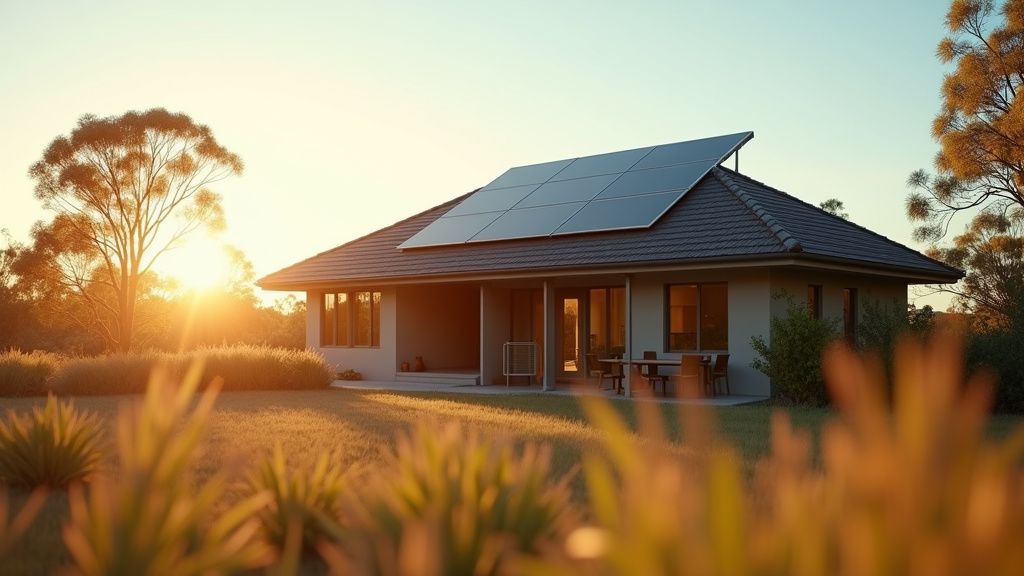
Sun-Powered Freedom: Achieving Energy Independence with Solar-Powered EVs
Are you tired of fluctuating petrol prices and feeling reliant on global fuel markets? Imagine a future where you power your vehicle with sunshine, slashing your running costs and contributing to a cleaner environment. That future is here, and it's called solar-powered electric vehicle (EV) ownership.
This blog post explores how you can achieve true energy independence by combining rooftop solar with an EV. It's a winning combination for your wallet, the planet, and your peace of mind. Want a deeper dive? Read our Complete Guide.
The Rising Cost of Petrol & The Freedom of Electricity
For many Australians, the price at the pump is a constant source of frustration. We're largely at the mercy of international oil markets, meaning prices can jump dramatically with little warning. However, EVs offer a predictable alternative by running on electricity. And what if you could generate that electricity yourself?
Solar and EVs: A Match Made in Heaven
Pairing your EV with a rooftop solar system allows you to generate your own clean energy and use it to power your vehicle. This dramatically reduces your reliance on the grid and shields you from volatile electricity prices.
Think about it: instead of paying for expensive petrol, you're essentially driving on sunshine – a resource that's abundant and free here in Australia.
Significant Savings on Running Costs
The financial benefits of this combination are compelling. While the initial investment in an EV and solar panels might seem significant, the long-term savings are substantial.
- Reduced Fuel Costs: The most immediate saving comes from no longer needing to fill up at the petrol station. For the average Australian driving around 13,700 km per year, fuel savings could easily reach $1,000 annually.
- Off-Peak Charging: Many electricity providers offer cheaper rates during off-peak hours. By charging your EV overnight, you can potentially save even more – up to $1,200 a year based on average usage!
- Solar Power Advantage: With solar panels, you can effectively charge your EV for free during daylight hours, further reducing or even eliminating your electricity costs associated with driving.
Lower Maintenance & Enhanced Driving Experience
Beyond fuel savings, EVs also have lower maintenance requirements than traditional petrol or diesel vehicles. EVs have significantly fewer moving parts. This means fewer things to break down, leading to lower repair bills over the lifespan of the vehicle. While you'll still need to replace tyres and brake pads, the overall maintenance expenses for an EV are generally around 40% less than a comparable petrol or diesel car.
Moreover, EVs offer a superior driving experience. They are quiet, smooth, and responsive, providing instant torque for quick acceleration. Enjoy a more peaceful and enjoyable ride.
Environmental Benefits and Energy Independence
Choosing an EV powered by solar energy reduces your carbon footprint and contributes to a cleaner, healthier environment. EVs produce significantly lower emissions compared to petrol and diesel vehicles, helping to reduce air pollution.
Furthermore, solar-powered EVs promote energy independence. Instead of relying on imported fuel, you can generate your own electricity from a renewable source. This provides greater control over your energy consumption and protects you from fluctuating fuel prices influenced by global events. Australians import a significant portion of its oil, exposing drivers to price volatility. By switching to a solar-powered EV, you embrace local energy generation and greater price stability.
Maximising Your Solar EV Setup
- Size Your Solar System Appropriately: Consider your EV's battery capacity and your average daily driving distance when determining the size of your solar system. Consult with a solar installer to determine the optimal system size for your needs.
- Install a Smart Charger: A smart EV charger allows you to monitor your energy usage and schedule charging sessions during off-peak hours or when your solar panels are generating the most power.
- Explore Battery Storage: Consider adding a battery storage system to your solar setup. This allows you to store excess solar energy generated during the day and use it to charge your EV at night or during periods of low sunlight.
- Take advantage of government rebates and incentives: Investigate what schemes exist in your state or territory. These can significantly offset the cost of purchasing a solar system or an EV.
- Compare energy providers: Find the best plan for your energy needs. There are free, independent government services to assist with this process.
The Future is Electric and Solar
The transition to electric vehicles powered by renewable energy is well underway. By embracing solar-powered EVs, Australians can enjoy significant cost savings, reduce their environmental impact, and achieve true energy independence. It's a win-win-win scenario for your wallet, the planet, and your driving experience. So, take control of your energy future and embrace the power of the sun!
