Your Ultimate Guide: How and When to Charge Your EV in Australia
So, you've taken the plunge and joined the electric vehicle (EV) revolution! Congratulations! Now comes the next important step: mastering the art of charging. This isn't your petrol station pit stop anymore. Understanding how and when to charge your EV in Australia will not only keep you on the road but can also save you money and reduce your environmental impact. Think of it as learning a new dance – once you get the steps, you'll be gliding along with ease. For more in-depth information on charging your EV at home, check out our Complete Guide.
Understanding the Charging Basics
Before we dive into the "how" and "when," let's clarify the fundamental types of EV charging:
- Level 1 (Trickle Charging): This uses a standard Australian 240V household outlet. It's the slowest method, adding only about 6-8 kilometres of range per hour. It's ideal for topping up or if you only drive short distances daily. Think of it as a slow, steady drip.
- Level 2 (AC Charging): This requires a dedicated EV charger installed at your home or found at public charging stations. Using a 7kW or 11kW charger, you can gain significantly more range per hour – typically 30-60 kilometres. This is the most common and convenient option for home charging.
- Level 3 (DC Fast Charging): These are high-powered chargers, usually found at public charging stations along highways and in urban areas. They can add significant range – up to hundreds of kilometres – in a short amount of time (30-60 minutes). They are perfect for long trips when you need a quick boost.
How to Charge Your EV
The actual process of charging is usually straightforward:
- Park and Connect: Park your EV at the charging station (whether at home or in public). Open the charging port and connect the charging cable securely. Most EVs have indicator lights to show charging status.
- Initiate Charging: For home charging, the process usually starts automatically once connected. For public chargers, you may need to use an RFID card, a mobile app, or a tap-and-go payment system to activate the charger. Follow the instructions on the charging station screen.
- Monitor Charging (Optional): Many EVs have built-in apps or displays that show the charging progress, estimated time to full charge, and current battery level. You can also monitor the charging station display (if applicable).
- Disconnect and Go: Once charging is complete (or you've reached your desired charge level), disconnect the charging cable. Make sure to store the cable properly in your vehicle.
When to Charge Your EV: Maximizing Savings and Battery Life
The "when" is just as crucial as the "how." Here are key considerations for timing your charging sessions:
- Off-Peak Electricity Rates: Australia often has time-of-use electricity tariffs. This means that electricity is cheaper during off-peak hours (usually overnight) and more expensive during peak hours (typically afternoons and evenings). Charging your EV overnight during off-peak hours can save you a significant amount of money. Contact your energy provider to find out the specific off-peak times and rates in your area. Some energy retailers even offer dedicated EV plans with even lower rates.
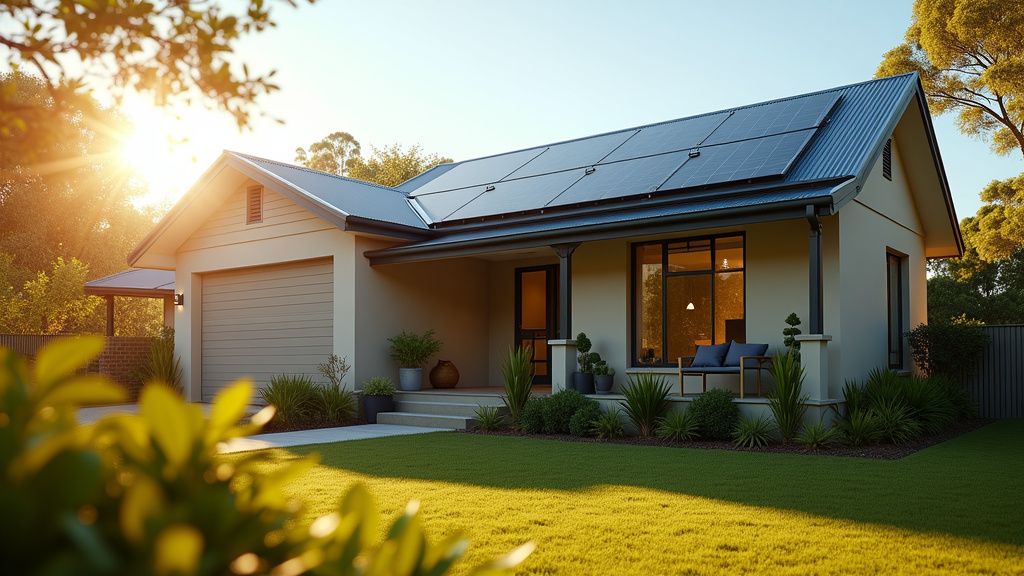
- Solar Power Integration: If you have solar panels, the best time to charge is during the day when your panels are generating electricity. Many smart EV chargers can be programmed to charge only when excess solar power is available, maximizing your self-consumption and reducing your reliance on the grid. This approach is not only economical but also environmentally friendly.
- Battery Health: While modern EV batteries are designed to last for many years, certain charging habits can affect their longevity. Avoid consistently charging to 100% unless necessary for a long trip. Regularly charging to 80-90% is generally recommended to prolong battery life. Also, try to avoid letting your battery completely deplete before charging.
- Consider your Driving Needs: If you only drive a short distance each day, you may only need to charge once or twice a week. However, if you have a long commute or frequent long trips, you'll need to charge more often. Plan your charging schedule based on your individual driving habits.
- Public Charger Availability: If you rely on public chargers, be aware of potential wait times, especially during peak hours. Use apps or online resources to check charger availability before you head out.
Home Charging vs. Public Charging: Which is Right for You?
While public charging is essential for long trips, home charging offers numerous advantages:
- Convenience: Charge your EV overnight in the comfort of your own home.
- Cost Savings: Charging at home with off-peak electricity rates is typically much cheaper than using public chargers.
- Control: You have complete control over your charging schedule and can optimize it for your solar power production.
Estimated Charging Costs:
Let's look at some approximate costs:
- Level 1 (Household Outlet): Costs are low, but charging is very slow. Assume ~30 cents per kWh.
- Level 2 (Home Charger): Dependent on your off-peak rates. Might be 15-25 cents per kWh. Installation costs for the charger and wiring will vary.
- Level 3 (DC Fast Charger): Most expensive option at ~50-60 cents per kWh.
In Conclusion
Charging your EV doesn't have to be a mystery. By understanding the different charging levels, timing your charging sessions strategically, and considering your driving needs, you can maximize the benefits of your electric vehicle. Embracing these practices not only saves you money but also contributes to a more sustainable future. So, plug in, power up, and enjoy the ride!
