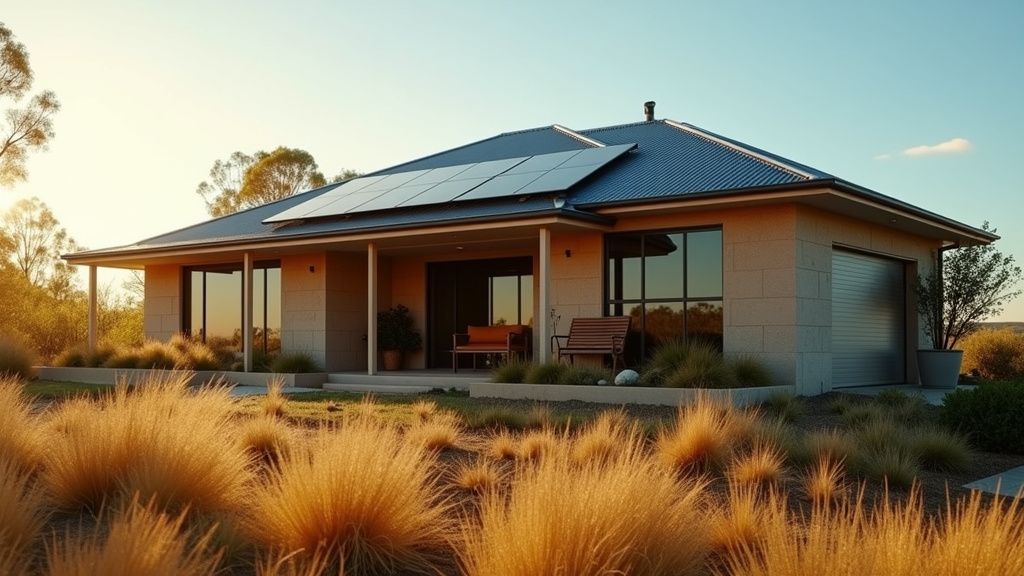
Virtual Power Plants: Harnessing the Sun (and Your Battery!) for a More Reliable Grid
Australia leads the world in rooftop solar adoption, with millions of homes generating clean energy from the sun. But what happens when the sun isn't shining? And how can all that distributed solar power work together to strengthen our electricity grid? The answer lies in Virtual Power Plants, or VPPs. In this article, we'll explore what VPPs are, how they function, and why they're becoming increasingly vital for Australia's energy future. Read our Complete Guide for an expanded overview.
What Exactly is a Virtual Power Plant?
Think of a traditional power plant: a large facility generating electricity and feeding it into the grid. A VPP, on the other hand, is a network of distributed energy resources (DERs) – like rooftop solar systems, home batteries, and even electric vehicles – that are connected and coordinated through sophisticated software. Individually, these resources are small, but collectively, they can act like a single, large power plant.
Instead of relying on a centralised facility, VPPs tap into the energy stored in thousands of homes and businesses. These resources are aggregated and managed to provide grid services, responding to fluctuations in demand and ensuring a stable electricity supply.
How Do They Work?
The core of a VPP is a sophisticated control system. This system constantly monitors the grid, anticipates energy needs, and dispatches power from the connected DERs as needed. Here's a breakdown of the key steps:
-
Aggregation: The VPP operator connects with individual homes and businesses that have solar panels, batteries, or other eligible DERs. This typically involves installing software that allows the operator to remotely monitor and control the energy flow.
-
Monitoring and Forecasting: The VPP operator uses real-time data and advanced forecasting techniques to predict energy demand and renewable energy generation. This includes factors like weather patterns, time of day, and grid conditions.
-
Optimisation: Based on the forecasts, the VPP system determines the optimal way to use the available DERs to meet grid needs. This might involve discharging energy from batteries during peak demand, reducing solar output during periods of oversupply, or providing frequency control services.
-
Dispatch and Control: The VPP operator sends signals to the connected DERs, instructing them to either inject power into the grid, absorb excess energy, or adjust their output.
-
Compensation: Participating households and businesses are compensated for their contribution to the VPP, typically through direct payments or bill credits. The amount of compensation depends on the amount of energy they contribute and the services they provide.
Why VPPs Matter for Australia
Australia's embrace of rooftop solar is fantastic, but it also presents challenges for grid stability. The intermittent nature of solar energy – it only generates electricity when the sun is shining – can lead to fluctuations in the grid, potentially causing voltage imbalances and even blackouts. VPPs offer a solution by:
-
Stabilising the Grid: VPPs can quickly inject or absorb power to balance supply and demand, mitigating the effects of variable renewable energy sources.
-
Reducing Reliance on Fossil Fuels: By harnessing the power of distributed renewable energy, VPPs can reduce our reliance on traditional fossil fuel-based power plants.
-
Lowering Energy Costs: By optimising the use of DERs, VPPs can reduce the need for expensive grid upgrades and lower overall energy costs. Participating households can also benefit from bill credits or direct payments.
-
Increasing Grid Resilience: VPPs create a more distributed and resilient energy system. If one part of the grid goes down, the VPP can continue to operate, providing backup power and preventing widespread outages.
-
Supporting Renewable Energy Growth: VPPs make it easier to integrate more renewable energy into the grid, accelerating the transition to a cleaner energy future.
The Future of VPPs in Australia
VPPs are already being deployed across Australia, and their importance is only set to grow. Projections indicate that Australia will require a significant increase in energy storage capacity in the coming decades, and VPPs are well-positioned to play a key role.
Beyond home batteries, VPPs can also incorporate other DERs, such as electric vehicles (EVs). EVs have the potential to become mobile energy storage units, discharging power back into the grid when needed. Trials are already underway to explore the use of EVs in VPPs, potentially transforming our transportation system into a valuable grid asset.
As technology continues to advance and more Australians adopt DERs, VPPs will become an increasingly important part of our energy landscape, helping to create a more reliable, affordable, and sustainable electricity grid for everyone.
