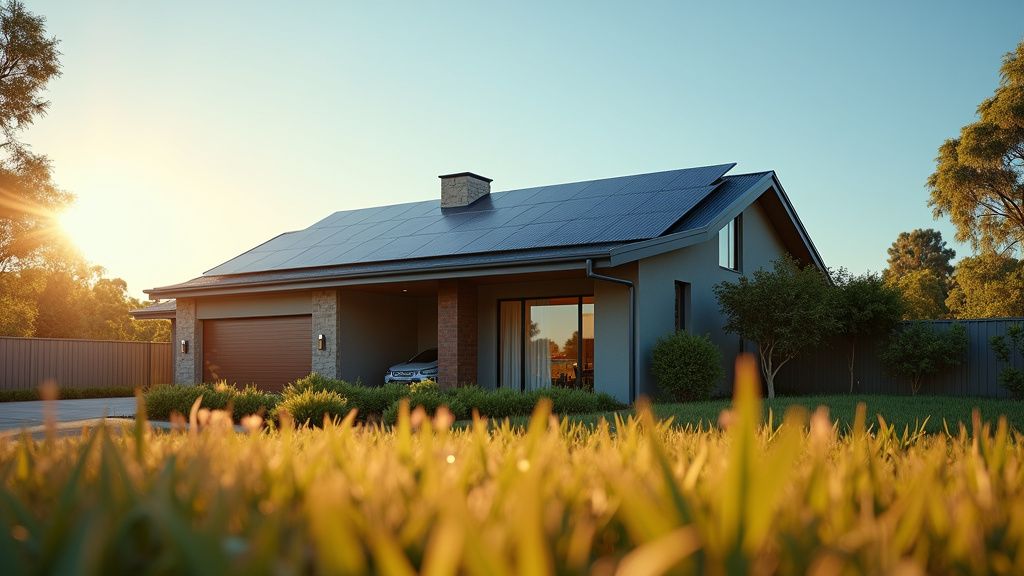
Power Up Your Understanding: Solar Batteries and the Future of Clean Energy in Australia
G'day solar enthusiasts! Here at SolarInsights, we're dedicated to helping you navigate the exciting world of renewable energy. Today, we're diving deep into a crucial component of the clean energy revolution: solar batteries. If you're considering adding a battery to your existing or planned rooftop solar setup, this guide is for you. Also, be sure to check out our Complete Guide for more in-depth information.
Why Consider a Solar Battery?
For many Aussies, rooftop solar panels are a fantastic way to reduce electricity bills and contribute to a greener future. But what happens to all that sunshine-generated power when you're not using it? Traditionally, excess electricity is fed back into the grid. However, with a solar battery, you can store that excess energy for later use, maximising self-consumption and potentially saving even more money.
How Solar Batteries Work:
Think of a solar battery as a резервуар for the electricity generated by your solar panels. During the day, when your panels are producing more power than your home needs, the excess is channeled into the battery. Then, when the sun goes down, or during periods of high energy demand, you can draw power from the battery instead of relying on the grid. This reduces your reliance on grid electricity, especially during peak hours when prices are often higher.
The Benefits of Battery Storage:
- Increased Self-Sufficiency: Use more of the electricity you generate, reducing your dependence on the grid.
- Bill Savings: By consuming your own stored energy, you minimise the amount of electricity you need to purchase from your energy provider.
- Backup Power: One of the most appealing benefits is the ability to provide backup power during grid outages. Imagine keeping the lights on and the fridge running during a blackout! However, it's important to note that not all battery systems are configured to provide backup power, so you'll need to ensure this feature is included when choosing a system. Some solar-only inverters can also provide power during an outage, but only when the sun is shining.
- Contribution to a Cleaner Grid: By reducing demand on the grid, especially during peak times, you help promote the integration of renewable energy sources.
Is a Solar Battery Right for You? Key Considerations:
Adding a battery isn't a one-size-fits-all solution. Here are some factors to consider:
- Your Energy Consumption: How much electricity do you use, and when do you use it? If you have high energy consumption during the day when your solar panels are producing, a battery might not be as beneficial.
- The Size of Your Solar System: A battery is only useful if you have excess electricity to store. Installing one with a small solar system may not be worthwhile.
- Backup Power Needs: Do you experience frequent power outages? If so, a battery with backup power capabilities could be a lifesaver. Think about which circuits you would want to keep running during an outage, such as lighting, refrigeration, or medical equipment.
- Your Budget: Solar batteries represent a significant investment. It’s crucial to carefully weigh the costs against the potential benefits and explore available incentives and rebates.
- Export Limits: Check with your energy provider about any export limits on your solar system. If you're regularly curtailing excess energy (i.e., unable to export it to the grid), a battery can help you make the most of your solar investment.
Understanding the "Cheaper Home Batteries Program"
Keep an eye out for the Australian Government's "Cheaper Home Batteries Program" commencing on 1 July 2025. This program aims to reduce the upfront cost of installing small-scale battery systems for households and businesses by providing a discount. This will be achieved by expanding the existing Small-scale Renewable Energy Scheme (SRES). To be eligible, battery systems will need to be accredited by the Clean Energy Council and listed on their approved products list.
Virtual Power Plants (VPPs): The Future of Energy Sharing
Many on-grid battery systems will be required to have Virtual Power Plant (VPP) capability. A VPP is a network of interconnected solar and battery systems that function as a single power source, enabling energy to be shared across the grid. This helps to stabilise the grid and increase the reliability of renewable energy.
Making the Right Choice:
Adding a solar battery is a significant decision that requires careful consideration. Talk to experienced solar retailers and installers to discuss your specific needs and get personalized advice. Don't hesitate to ask questions about battery types, sizes, backup power capabilities, and integration with your existing solar system. Be sure to ask them why they think adding a battery is a good idea for you, and get key information in writing about the battery and installation.
By understanding the technology, benefits, and considerations involved, you can make an informed decision about whether a solar battery is the right investment for your home and a step towards a cleaner, more sustainable future for Australia.
