Understanding PID and LeTID Resistance in Solar Panels: A Guide for Australian Solar Owners
Investing in solar panels is a significant decision for Australian homeowners and businesses. You want a system that delivers reliable power for decades. But lurking within the complex world of solar panel technology are some silent efficiency killers: Potential Induced Degradation (PID) and Light and Elevated Temperature Induced Degradation (LeTID). Understanding these phenomena and how to choose panels resistant to them is crucial to maximising your investment. Before we dive in, here's a Complete Guide to help you get started with solar panel technology.
What is Potential Induced Degradation (PID)?
PID is a gradual loss of power output in solar panels caused by voltage stress. Think of it like a slow leak. This "leak" happens when a voltage difference develops between the solar panel's cells and the grounded frame of the solar panel array. This voltage difference can cause current to leak from the panel, reducing its overall efficiency.
Several factors contribute to PID:
- High System Voltage: Solar panel systems are often connected in series to achieve the required voltage for the inverter. Higher voltage systems increase the potential for PID.
- Temperature: Elevated temperatures, common in the Australian climate, can accelerate PID.
- Humidity: High humidity levels create a conducive environment for current leakage.
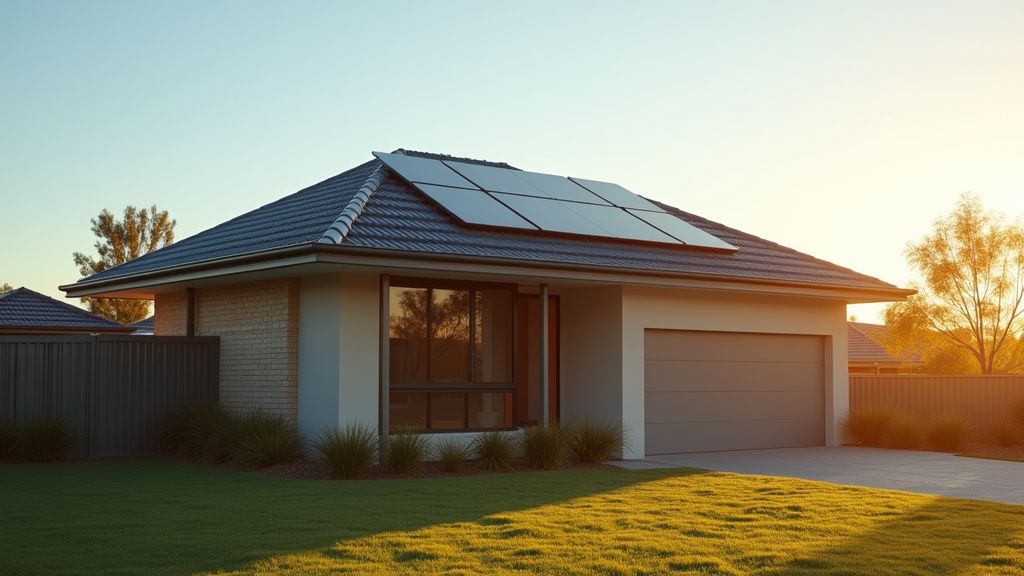
Imagine a solar panel installation baking under the harsh Aussie sun, facing high humidity after a summer storm. These conditions are perfect for PID to take hold. The impact? Your panels produce less electricity, leading to lower savings and a longer payback period for your solar investment. In the worst cases, PID can degrade a solar panel's performance by up to 30%.
What is Light and Elevated Temperature Induced Degradation (LeTID)?
LeTID is another form of degradation that affects solar panel performance, but it is distinct from PID. LeTID occurs when certain types of solar cells are exposed to both light and elevated temperatures over an extended period. This combination of factors triggers a degradation mechanism within the silicon wafer itself, leading to reduced power output.
LeTID is more prominent in p-type solar cells, a common type of silicon cell used in many solar panels. Like PID, high temperatures accelerate LeTID.
PID and LeTID: Why Resistance Matters
Investing in PID and LeTID-resistant solar panels is about protecting your long-term investment. Here’s why resistance matters:
- Maximised Energy Yield: Resistant panels maintain higher efficiency levels over their lifespan, generating more electricity and delivering better returns.
- Extended Lifespan: By minimising degradation, resistant panels ensure a longer service life, reducing the need for replacements.
- Enhanced Reliability: Resistant panels offer greater peace of mind, knowing your system is built to withstand harsh environmental conditions.
How to Choose PID and LeTID Resistant Solar Panels
So, how do you ensure your solar panels are resistant to PID and LeTID? Here are some key considerations:
- Panel Technology: Look for solar panels that incorporate advanced cell technologies and manufacturing processes designed to mitigate PID and LeTID. Some manufacturers use specialised cell designs and materials to reduce current leakage and improve resistance.
- Manufacturer Reputation: Research solar panel manufacturers known for their quality and reliability. Established brands often invest heavily in research and development to produce more durable and resistant panels.
- Third-Party Testing and Certifications: Check for independent certifications that verify a panel's PID and LeTID resistance. These certifications provide assurance that the panels have been tested and meet specific performance standards.
- Warranty: A robust warranty is a crucial indicator of a manufacturer's confidence in their product. Look for warranties that cover PID and LeTID-related performance degradation.
- Installer Knowledge: Consult with a qualified and experienced solar installer who can advise you on the best panel options for your specific needs and location. A knowledgeable installer can assess your site conditions and recommend panels with proven PID and LeTID resistance.
Conclusion
PID and LeTID are real threats to the long-term performance of solar panels. By understanding these degradation mechanisms and taking proactive steps to choose resistant panels, you can protect your solar investment and ensure years of reliable, clean energy. Doing your research and consulting with reputable solar professionals is vital to making an informed decision and enjoying the full benefits of solar power.
