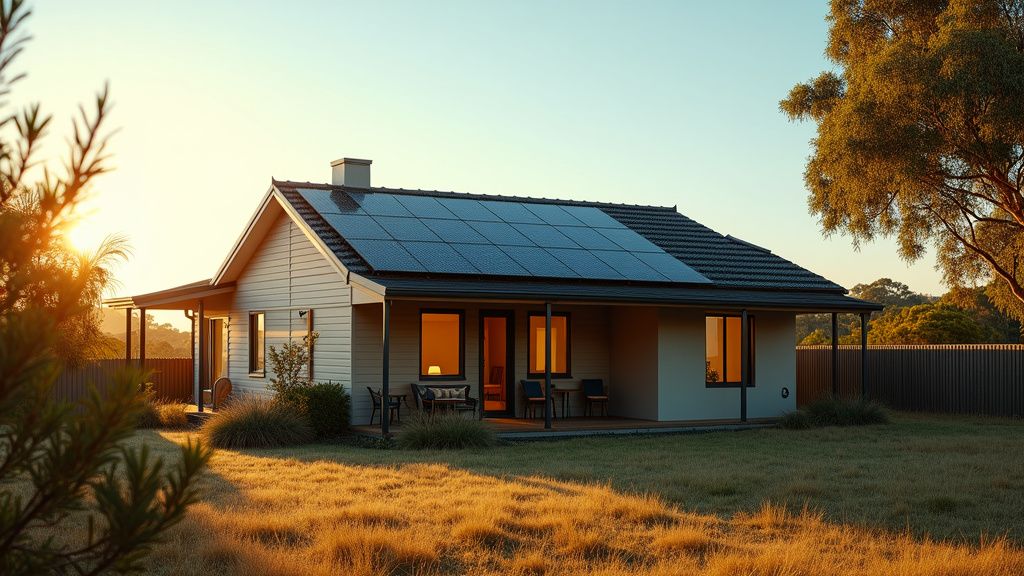
SolarInsights: Australia's Energy Risks - A Shifting Landscape, Summer vs. Winter
Australia's energy landscape is a dynamic beast, constantly shifting with the seasons and the ever-present influence of climate change. As Australians, we're intimately aware of the stark differences between scorching summers and increasingly unpredictable winters. But how do these seasonal shifts impact our energy security and what risks do they pose?
Before we dive in, if you're keen to delve deeper into the broader picture of Australia's solar power revolution, check out our Complete Guide.
Summer's Scorching Challenge: Peak Demand and Grid Strain
Summer in Australia brings with it the relentless sun and soaring temperatures. This translates directly to a surge in energy demand, primarily driven by air conditioning. Homes and businesses alike crank up the cooling systems to combat the heat, placing immense strain on the electricity grid.
The risk? Blackouts. When demand outstrips supply, the grid can become unstable, leading to widespread outages. This isn't just an inconvenience; it can have serious consequences for vulnerable populations, businesses, and essential services.
Renewable energy, particularly solar power, plays a crucial role in mitigating this risk. During peak daylight hours, solar generation can significantly reduce the burden on the grid. However, the challenge lies in the intermittency of solar. When the sun isn't shining brightly – due to cloud cover or evening hours – alternative sources must step in to fill the gap.
Winter's Woes: Declining Solar Output and Heating Demand
As the days shorten and the sun's angle decreases, winter presents a different set of energy challenges. Solar panel output naturally declines during these months, reducing the contribution of solar energy to the grid.
At the same time, demand for heating increases, particularly in southern states. While gas heating remains prevalent, the uptake of electric heating systems is growing, further straining the grid.
Furthermore, southern Australia is seeing changes to weather patterns. Cool season rainfall is declining due to fewer low-pressure systems and cold fronts. An increase in high-pressure systems is also bringing dryer conditions. This has led to only small changes in the frequency of frost in southeast and southwest Australia. Drier winters with clear nights lead to increased heat loss from the ground and thus colder nights.
The risk? Energy shortages and price spikes. With reduced solar output and increased heating demand, the reliance on traditional fossil fuel sources increases. This can lead to higher electricity prices and, in extreme cases, potential energy shortages.
Climate Change: The Underlying Driver
Underlying these seasonal energy risks is the overarching influence of climate change. According to recent reports, Australia has warmed by an average of 1.51°C since 1910, with most of the warming occurring since 1950. This warming trend is expected to continue, exacerbating both summer and winter energy challenges.
For example, extremely high temperatures are now six times more frequent than they were between 1960 and 1989. Night time temperatures, a major contributor to heat stress, occur five times more often than previously.
The Southern Annular Mode (SAM) is also trending towards more positive conditions, particularly in summer.
Navigating the Risks: Solutions for a Secure Energy Future
Addressing Australia's shifting energy risks requires a multi-pronged approach:
- Investing in energy storage: Battery technology is becoming increasingly affordable and efficient, allowing us to store excess solar energy generated during the day for use during peak evening hours or on cloudy days.
- Diversifying the energy mix: Relying solely on solar or fossil fuels is not a sustainable solution. A diverse energy mix, including wind, hydro, and potentially nuclear, can provide greater resilience and security.
- Improving grid infrastructure: Upgrading the existing grid to better handle the fluctuations of renewable energy sources is crucial. This includes investing in smart grids that can optimize energy distribution.
- Promoting energy efficiency: Reducing energy consumption through energy-efficient appliances, insulation, and smart home technologies can significantly lower demand and reduce the strain on the grid.
- Government and Individual Action: Government incentives and policies play a vital role in encouraging the adoption of renewable energy and energy-efficient practices. Individual choices, such as installing solar panels, using energy-efficient appliances, and reducing overall energy consumption, can collectively make a significant impact.
The Path Forward: A Resilient and Sustainable Energy Future
Australia faces significant energy risks, amplified by the effects of climate change. By embracing a combination of renewable energy technologies, energy storage solutions, grid upgrades, and energy efficiency measures, we can build a more resilient and sustainable energy future for all Australians. It's time to act decisively to secure our energy supply and mitigate the risks associated with our changing climate.
