Solar Power: Australia's Secret Weapon Against Peak Energy Demand
Australia's energy landscape is undergoing a dramatic transformation, and solar power is at the forefront. From sun-drenched rooftops to expansive solar farms, this renewable resource is rapidly changing how we generate and consume electricity. But how is solar contributing to meeting Australia's ever-increasing peak energy demands? Let's delve into the details. Want to learn more? Check out our Complete Guide.
For years, Australia has wrestled with the challenge of peak energy demand, particularly during hot summer afternoons and cold winter evenings. Traditionally, this demand has been met by fossil fuel-powered plants, contributing to greenhouse gas emissions and impacting air quality. However, the rise of solar power offers a cleaner and more sustainable solution.
The Rise of Rooftop Revolution
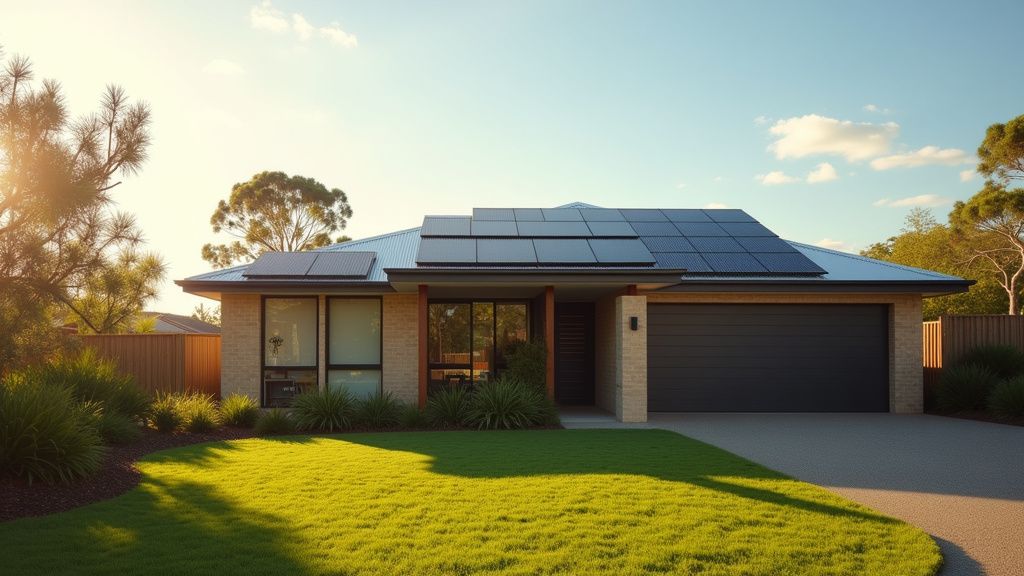
One of the most significant contributors to solar energy's success in Australia is the widespread adoption of rooftop solar panels. Australian households are increasingly turning to solar power to reduce their electricity bills and embrace a more environmentally conscious lifestyle. This residential revolution has had a profound impact on the energy market.
By generating their own electricity during daylight hours, households with solar panels significantly reduce their reliance on the grid. This directly alleviates pressure on the network, particularly during peak demand periods. Imagine thousands of homes across a city all drawing less power from the grid during a heatwave – that's the power of distributed solar generation.
Large-Scale Solar Farms: Powering Industry and Communities
Beyond individual homes, large-scale solar farms are playing an increasingly crucial role. These expansive installations generate substantial amounts of electricity, feeding directly into the grid and helping to meet the energy needs of businesses, industries, and entire communities.
These solar farms are strategically located in areas with high solar irradiance, maximizing their energy output. They represent a significant investment in renewable energy infrastructure and contribute to diversifying Australia's energy mix.
The Challenge of Intermittency and the Rise of Battery Storage
While solar power offers tremendous potential, it's not without its challenges. One of the primary concerns is the intermittent nature of sunlight. Solar panels only generate electricity when the sun is shining, which means that alternative energy sources are needed during cloudy days and at night.
This is where battery storage comes into play. Battery technology is rapidly improving, making it increasingly viable to store excess solar energy generated during the day for use during peak demand periods in the evening. Both household battery systems and utility-scale battery storage facilities are becoming more common, enhancing the reliability and versatility of solar power.
Government Incentives and Policy Support
The Australian government has played a vital role in fostering the growth of the solar industry through a range of supportive policies and incentives. Initiatives like the Renewable Energy Target (RET) and the Small-scale Renewable Energy Scheme (SRES) have made solar installations more financially attractive to households and businesses.
In addition to federal programs, various state-level rebates and grants are available, further reducing the upfront costs of solar panels and batteries. These policies not only encourage solar adoption but also stimulate innovation and investment in the renewable energy sector.
Smart Grids and Demand Management
Integrating solar power into the national grid requires sophisticated technologies and strategies. Smart grids, demand-response systems, and virtual power plants are essential tools for managing the fluctuating supply of solar energy and ensuring grid stability.
These technologies allow grid operators to monitor and control energy flows in real-time, optimizing the use of solar power and minimizing disruptions. Demand management strategies, such as time-of-use tariffs, incentivize consumers to shift their energy consumption to off-peak hours, further reducing strain on the grid during peak periods.
The Economic Benefits of Solar Power
Beyond its environmental benefits, solar power also offers significant economic advantages. The falling costs of solar panels and batteries have made solar energy increasingly competitive with traditional fossil fuel-based power generation.
This cost competitiveness has spurred investment in solar projects across Australia, creating jobs and boosting local economies. Furthermore, solar power can help reduce energy bills for households and businesses, freeing up capital for other investments.
Looking Ahead: A Solar-Powered Future
Solar power is poised to play an even greater role in meeting Australia's energy needs in the years to come. As technology continues to advance and battery storage becomes more affordable, solar energy will become an increasingly reliable and versatile source of power.
With ongoing government support, innovative grid management strategies, and growing consumer adoption, Australia is well-positioned to become a global leader in solar energy. By harnessing the power of the sun, we can create a cleaner, more sustainable, and more resilient energy future for all Australians.
