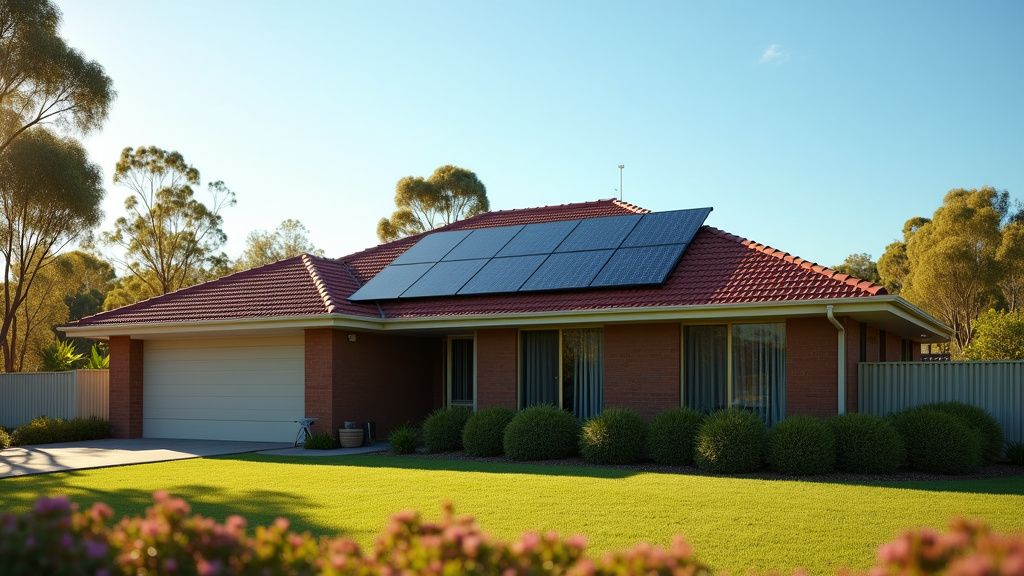
The Long-Term Investment: Is Solar Still Worth It in Australia?
As energy bills continue their relentless climb, many Australians are asking the same question: is investing in solar panels still a smart move? With the rise of renewables and attractive government incentives, it's tempting to jump on the solar bandwagon. But before you commit, let's take a realistic look at the long-term viability of solar as an investment.
For a deeper dive into how global events and local policies are impacting solar prices, check out this Complete Guide.
The Rise of Rooftop Solar
Australia is embracing solar at an impressive rate. Recent reports indicate a significant increase in rooftop solar capacity, with hundreds of thousands of new PV systems being installed across the country each year. This surge is fuelled by a desire to reduce energy costs, become more energy independent, and contribute to a greener future.
The Advantages: More Than Just Savings
The benefits of solar power extend beyond just lower electricity bills:
- Shielding Against Rising Energy Costs: One of the most compelling reasons to switch to solar is to insulate yourself from the ever-increasing price of electricity. By generating your own power, you become less reliant on the grid and its fluctuating costs.
- Technological Advancements: Solar panel technology has advanced significantly in recent years. Modern panels are more efficient, meaning they can generate more electricity from the same area compared to older models.
- Increased Property Value: Installing a solar system can boost the value of your home. Potential buyers are often willing to pay a premium for a property with an existing solar system, recognizing the long-term cost savings and environmental benefits.
- Long-Term Reliability: Solar panels are built to last. Many manufacturers offer warranties of up to 25 or 30 years, providing peace of mind and ensuring a long lifespan for your investment.
- Easy Maintenance: Solar systems are relatively low-maintenance. Occasional cleaning to remove dust and debris is usually all that's required.
- Government Incentives: The Australian government, along with state and territory governments, offers various rebates and incentives to encourage the adoption of solar power. These programs can significantly reduce the upfront cost of a solar system. Some jurisdictions offer interest-free loans or rebate swap programs to assist homeowners in making the switch.
- Contribution to a Sustainable Future: By investing in solar energy, you're contributing to a cleaner, more sustainable future for Australia. Many states and territories have ambitious carbon emission reduction targets, and rooftop solar plays a crucial role in achieving these goals.
The Disadvantages: A Realistic Perspective
While the advantages of solar are numerous, it's important to acknowledge the potential downsides:
- Initial Investment: The upfront cost of a solar system can be a significant barrier for some homeowners. However, it's crucial to view this as a long-term investment rather than a simple expense.
- Weather Dependency: Solar power generation is dependent on sunlight. Cloudy days or shading from trees or buildings can reduce the system's output. This is being partly addressed by advances in battery storage technology.
- Return on Investment: While solar panels save you money over time, it can take several years to recoup your initial investment. This timeframe depends on factors such as the size of the system, your energy consumption, and the cost of electricity.
- Feed-in Tariffs: The amount you get paid for excess solar power you send back to the grid (the feed-in tariff) can vary, and is often lower than the price you pay for electricity.
Making the Decision: Is Solar Right for You?
So, is solar still worth it? The answer depends on your individual circumstances. Consider the following factors:
- Your Location: The amount of sunlight your property receives will affect the system's output.
- Your Energy Consumption: The more electricity you use, the more you'll save with solar.
- Your Budget: Can you afford the upfront cost of a solar system? Factor in any available rebates or incentives.
- Your Long-Term Goals: Are you planning to stay in your home for the long term? This will allow you to fully benefit from the cost savings of solar.
The Verdict: A Bright Future for Solar
Despite the initial investment, solar power remains a compelling option for many Australian homeowners. With rising electricity prices, technological advancements, and government incentives, solar can provide significant long-term savings, increase property value, and contribute to a more sustainable future. While it's essential to weigh the advantages and disadvantages carefully, the overall outlook for solar in Australia remains bright. Before making a final decision, seek tailored advice from qualified solar installers to determine the optimal system size and configuration for your specific needs.
