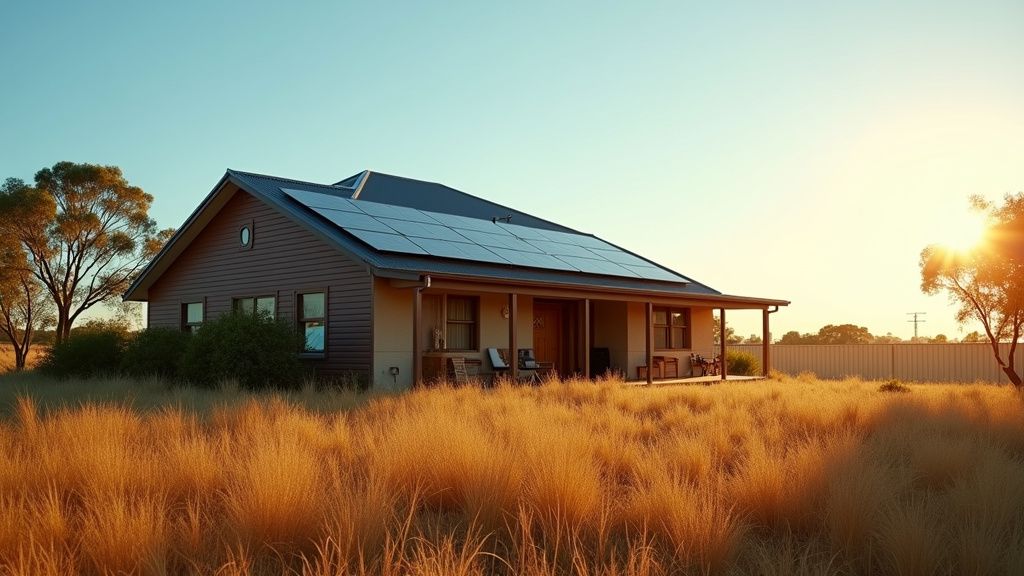
Sunshine and Strains: The Limits of Current Grids in Solar-Heavy Aussie Suburbs
Australia is a nation embracing solar power, and for good reason. We've got the sunshine, and rooftop solar has demonstrably lowered power bills for many households. But the rapid uptake of solar, especially in certain areas, is revealing some uncomfortable truths about the limitations of our current electricity grid infrastructure. Are we reaching a point where the very success of rooftop solar is becoming a problem? This blog post dives into the challenges faced by areas saturated with solar panels, and what it means for the future of energy in Australia. For a deeper dive, check out our Complete Guide.
It wasn't that long ago that suburbs packed with solar panels were seen as shining examples of a successful energy transition. Places with high solar uptake and lots of sunshine looked like the future had arrived. However, a closer look reveals a more complex picture. In commuter suburbs across Australia, particularly in Western Australia, the sheer volume of electricity generated by rooftop solar during the day now exceeds the grid's capacity to handle it. This creates stress on the system that was never originally designed to deal with that level of input.
The One-Way Street Problem
Our electricity distribution networks were originally designed for a one-way flow of power. Large power plants generated electricity, which was then transmitted through substations and distributed to homes and businesses. Transformers and other equipment were sized based on predictable demand patterns, typically peaking in the evenings. The problem is that rooftop solar turns this model on its head.
Now, instead of solely drawing power, thousands of homes are simultaneously injecting electricity back into the grid during the sunniest parts of the day. This reverse flow can cause several issues:
- Voltage Fluctuations: A flood of solar energy can push local voltages outside acceptable ranges, potentially damaging appliances and other electrical equipment.
- Overloaded Infrastructure: Equipment like transformers and feeders weren't built to handle constant reverse power flows, leading to potential overloads and premature wear.
- Grid Instability: Too much solar energy at the wrong time can create grid instability, potentially leading to blackouts or brownouts.
These problems are why we're seeing increasingly common measures like reduced feed-in tariffs (FiTs), stricter export limits, and a growing interest in community batteries. These aren't arbitrary policies; they're responses to a grid that's struggling to keep up with the pace of solar adoption.
Commuter Suburbs: The Perfect Storm
Certain suburbs are particularly vulnerable to these grid constraints. These tend to be commuter suburbs, characterised by:
- High Solar Penetration: A large proportion of homes have rooftop solar systems.
- Low Daytime Demand: Most residents are at work or school during the day, leading to minimal electricity consumption.
- Limited Local Load: Lack of significant commercial or industrial activity nearby to absorb excess solar generation.
The result is a mismatch between supply and demand. When rooftop solar systems are generating at their peak, there's often nobody home to use the electricity. This surplus floods the grid, causing voltage spikes and overloading equipment. The network can't easily move the excess energy to where it's needed without exceeding technical limits. This also explains why you'll find stricter export limits in these areas.
Batteries: A Partial Solution
Home batteries offer a way to store excess solar energy for later use, reducing exports and easing pressure on the grid. However, individual batteries only solve part of the problem. They operate at the household level, primarily responding to a home's energy needs. While they can reduce reliance on the grid, they don't always strategically address the larger grid-level challenges.
Beyond Batteries: What's the Answer?
Addressing the limits of current grid infrastructure in solar-heavy areas requires a multifaceted approach:
- Grid Upgrades: Upgrading local distribution networks to handle increased reverse power flows is crucial. This includes replacing transformers, feeders, and other equipment with more robust alternatives.
- Smart Grids: Implementing smart grid technologies that can dynamically manage energy flows and balance supply and demand.
- Community Batteries: Deploying larger-scale community batteries that can store excess solar energy from multiple households and release it during peak demand periods.
- Demand Management: Encouraging demand response programs that incentivize households and businesses to shift their energy consumption to times when solar generation is abundant.
- Revised Planning and Policy: Integrating energy considerations into urban planning and housing development to ensure that future suburbs are designed to support high levels of renewable energy.
The future of solar in Australia isn't just about installing more panels. It's about intelligently managing how and when that solar energy is used. We need to invest in grid infrastructure, embrace smart technologies, and develop policies that encourage a more flexible and responsive energy system. Only then can we unlock the full potential of solar power and ensure a reliable, affordable, and sustainable energy future for all Australians.
